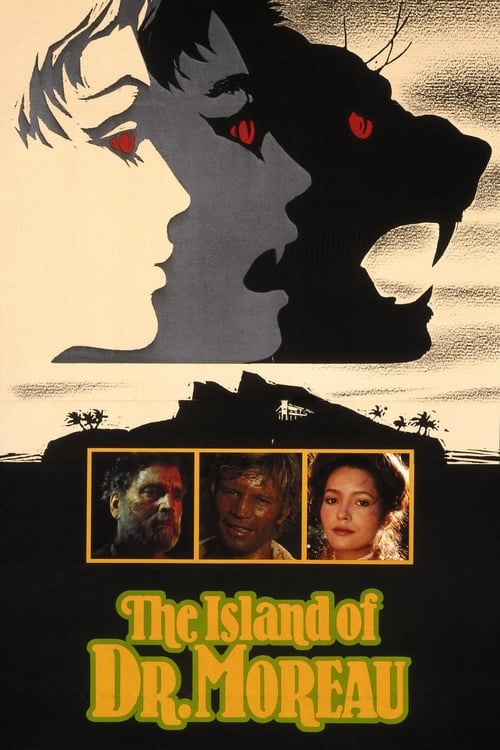
The Island of Dr. Moreau
1977
No user ratings available yet
Representation score: 2.5 out of 10
Representation Score
Limited
1932
NRDirector
Erle C. Kenton
Runtime
71 minutes
Average Rating
No ratings yetNew Showbiz Analysis
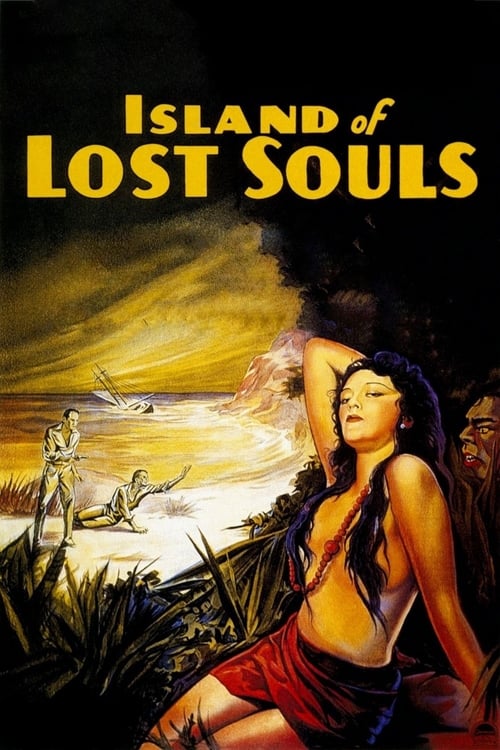
Island of Lost Souls is a period piece that prioritizes atmospheric horror and philosophical inquiry over demographic diversity. While the cast lacks diverse representation, the film's strength lies in its sophisticated deconstruction of authority and the 'civilizing mission.' The narrative uses its central conflict to critique the hubris of Western scientific and colonialist structures. It portrays the attempt to impose order on a 'savage' environment as a source of ethical decay. Ultimately, the film functions more as a critique of systemic instability and autocratic governance than as a diverse character study. It offers a complex look at the fragility of imposed social hierarchies.
Category Breakdown
The film does not include any LGBTQ+ characters or non-cisgender identities. The social structure focuses solely on heterosexual relationships and biological survival.
The narrative is dominated by a patriarchal hierarchy, with male figures like Dr. Moreau holding central authority. Female characters are relegated to peripheral roles as observers or subjects.
The cast is predominantly white, reflecting the standards of 1932 cinema. However, the 'Beast Folk' serve as a biological metaphor for the 'other' within the story.
The film critiques Western institutional authority by replacing traditional morality with a subjective scientific 'Law.' It explores the corruption inherent in absolute autocratic control.
The 'Beast Folk' represent biological alterations and neurodivergence. They are often used as grotesque spectacles rather than characters with true ability to act or nuanced identity.
Present on Screen
Limited or Absent
Official Synopsis
An obsessed scientist conducts profane experiments in evolution, eventually establishing himself as the self-styled demigod to a race of mutated, half-human abominations.
1977
1920

1955

1954
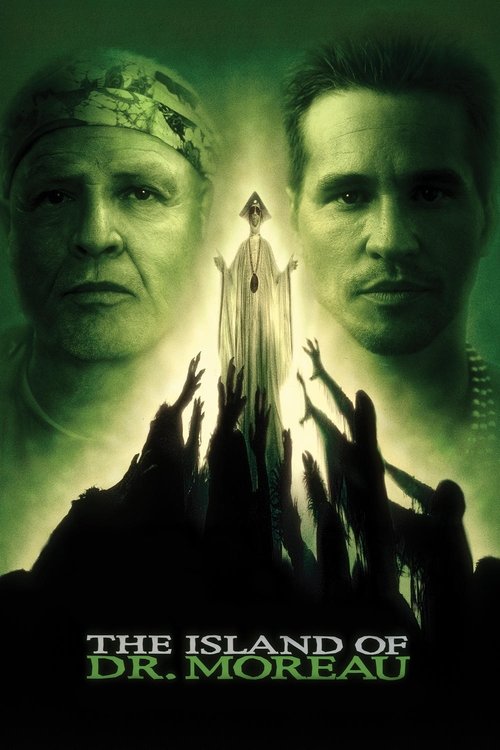
1996
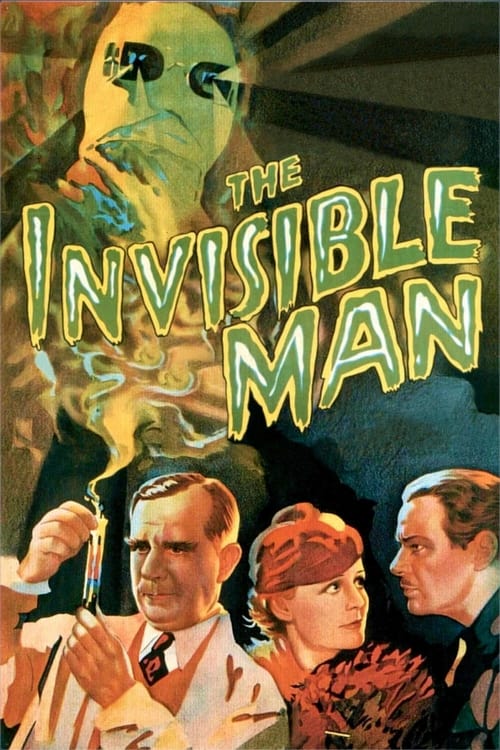
1933
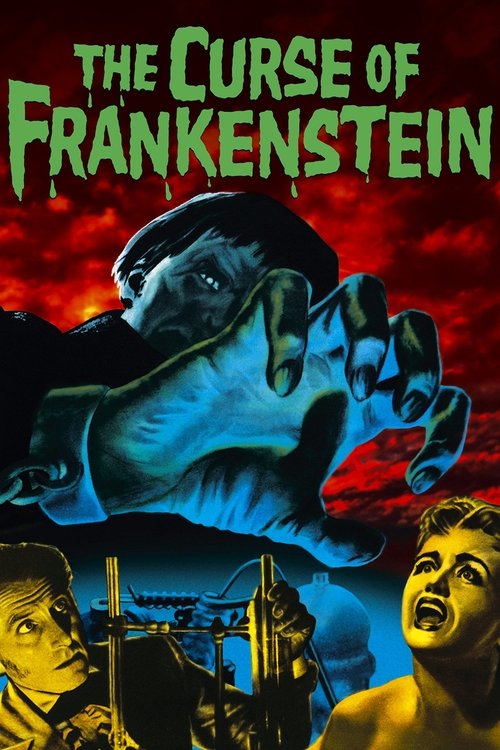
1957

1958
No reviews yet. Be the first to share your thoughts on this movie!
Use the rating form above to leave a star rating and optional review.