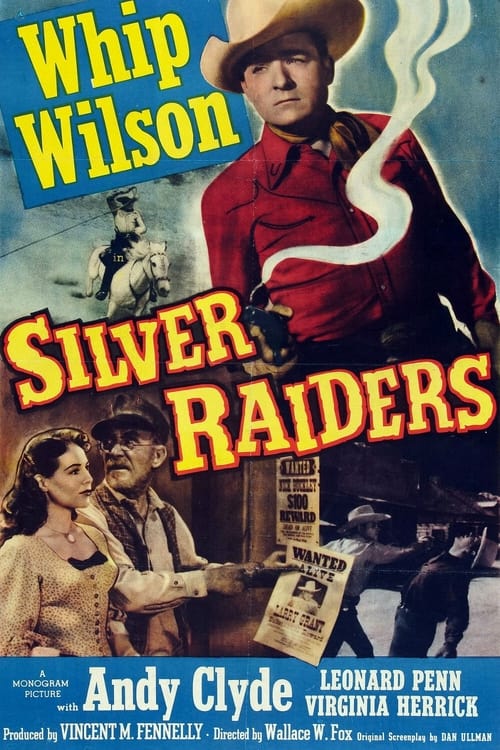
Silver Raiders
1950
No user ratings available yet
Representation score: 0.6 out of 10
Representation Score
Minimal
1950
ApprovedDirector
Wallace Fox
Runtime
56 minutes
Average Rating
No ratings yetNew Showbiz Analysis
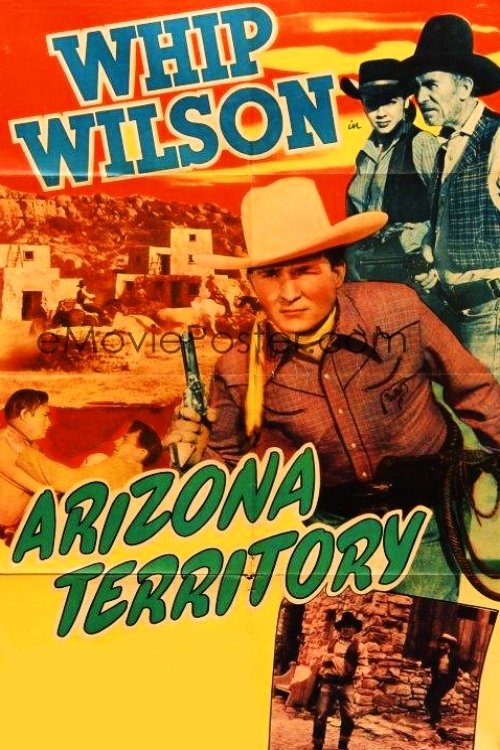
Arizona Territory is a typical B-movie Western that prioritizes established genre formulas over social complexity. The narrative structure reinforces traditional hierarchies of the 1950s, focusing on a standard hero-versus-villain dynamic. The film relies heavily on period-specific clichés, particularly regarding gender and race. The central conflict is driven by white characters, and the female lead's role is limited to needing rescue. Ultimately, the work functions as a conventional morality tale. It lacks the depth or disruption of social norms necessary to move beyond the era's standard cultural archetypes.
Category Breakdown
The film does not include any LGBTQ+ characters or stories that go beyond traditional heterosexual relationships.
Doris Devlin, a business owner, primarily serves as a target for an ambush, reinforcing the cliché where a male character saves a female character.
The story focuses on conflicts between white settlers, with no indication of diverse ethnic representation or nuanced portrayals of Indigenous populations.
The story emphasizes individual heroism and the protection of property, following a conventional moral framework focused on fighting criminal elements like counterfeiting.
There is no mention of characters with visible or invisible disabilities within the film's documentation.
Present on Screen
Limited or Absent
Official Synopsis
Prospector Jeff Malloy rescues Doris Devlin, owner of a trading post, from an ambush planned by her uncle, Kilburn, who is trying to scare her out of the territory so that he can continue his counterfeiting operations.
1950
1942
1929
1950
1938
1945
1950
1940
No reviews yet. Be the first to share your thoughts on this movie!
Use the rating form above to leave a star rating and optional review.