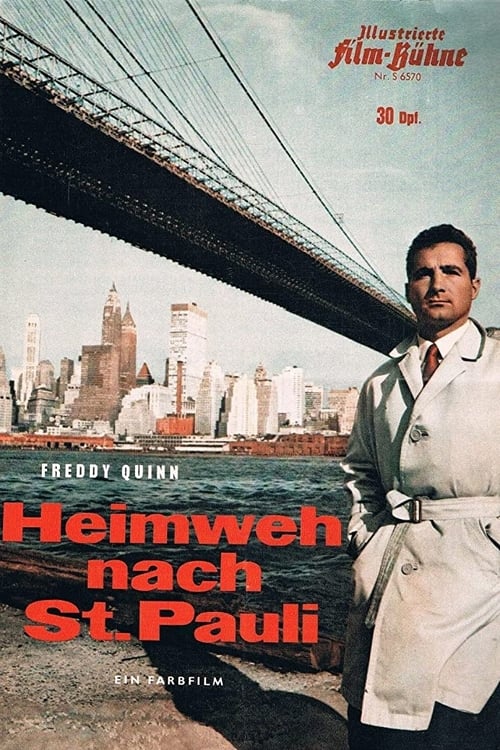
Homesick for St. Paul
1963
No user ratings available yet
Representation score: 1.4 out of 10

Representation Score
Limited
1953
ApprovedDirector
Michael Curtiz
Runtime
107 minutes
Average Rating
No ratings yetNew Showbiz Analysis
The film stands out as a significant cultural document by centering Jewish-American identity during an era of Hollywood homogeneity. It successfully moves beyond Anglo-Saxon norms to explore the negotiation of ethnic heritage within a modernizing society. However, the film remains tethered to mid-century social constraints. It relies on patriarchal authority and traditional gender roles, where women function primarily within domestic spheres without a significant role in driving the story. Ultimately, the narrative favors reconciliation over revolution. Instead of challenging religious or social institutions, the story focuses on integrating the protagonist's individualistic pursuits with his ancestral obligations.
Category Breakdown
The film adheres to strictly heterosexual and cisgender family structures. There is no presence of LGBTQ+ subtext or diverse identities.
The narrative weight rests on patriarchal figures and traditional hierarchies. Female characters provide emotional support but lack the ability to act to challenge established social orders.
The film offers meaningful representation of Jewish-American identity. It centers a non-Anglo-Saxon experience, exploring how ethnic heritage integrates with modern secularism.
The story explores the tension between sacred tradition and secular desire. It seeks reconciliation with religious institutions rather than offering a critical examination.
There are no prominent depictions of physical or neurodivergent disabilities that serve as central character traits or drive the plot.
Present on Screen
Limited or Absent
Official Synopsis
A young Jewish man is torn between tradition and individuality when his old-fashioned family objects to his career as a jazz singer.
1963

1927

1980

1958

1929

1954
1940

1942
No reviews yet. Be the first to share your thoughts on this movie!
Use the rating form above to leave a star rating and optional review.