
Big News
1929
No user ratings available yet
Representation score: 0.6 out of 10
Representation Score
Minimal
1940
NRDirector
Sidney Salkow
Runtime
71 minutes
Average Rating
No ratings yetNew Showbiz Analysis
The film embodies the classic style of 1940s studio-era cinema, emphasizing traditional genre conventions over disrupting social norms. It operates within a stable, conventional social order that avoids challenging existing power structures. The narrative ability to act is centered around the male protagonist, Michael Lanyard, who investigates the main plot points. Female characters tend to play reactive roles, fitting the period's gendered archetypes.
Category Breakdown
The film does not include any LGBTQ+ characters or non-straight relationships. The story focuses solely on traditional romantic pairings.
Gender roles are traditional, with the male lead taking a proactive role in driving the plot. Female characters often respond to the male lead’s actions rather than initiating action themselves.
The cast is homogeneous, reflecting the social structure of the 1940s. There is no significant racial or ethnic diversity among the characters.
The story adheres to traditional Western values and upholds the status quo of existing social institutions without questioning them.
The film does not feature any characters with visible or invisible disabilities. There are no depictions of neurodivergence or physical disabilities.
Present on Screen
Limited or Absent
Official Synopsis
A hardworking secretary for a rich woman finds herself engaged to the woman's son and accused of a murder she didn't commit.
1929
1944
1943
1944
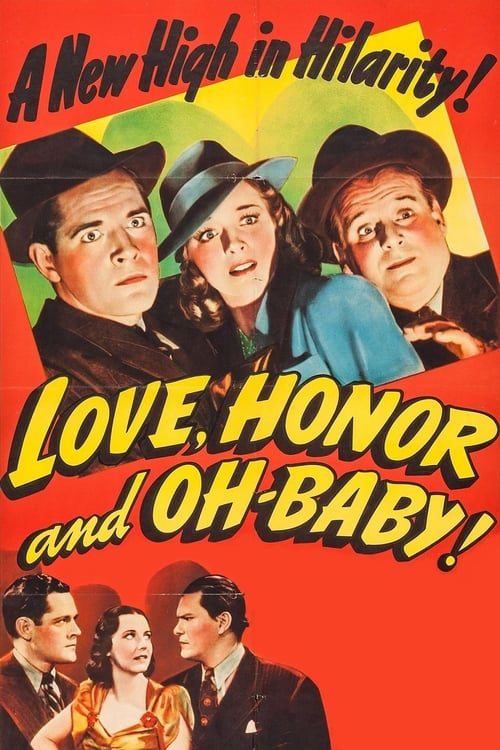
1940
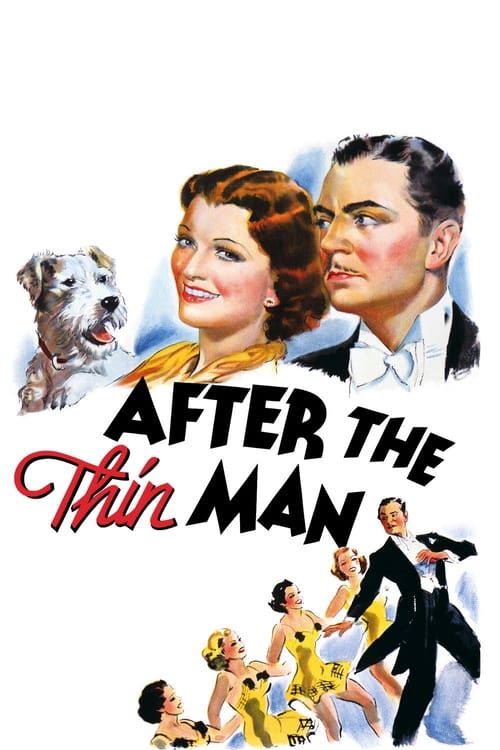
1936
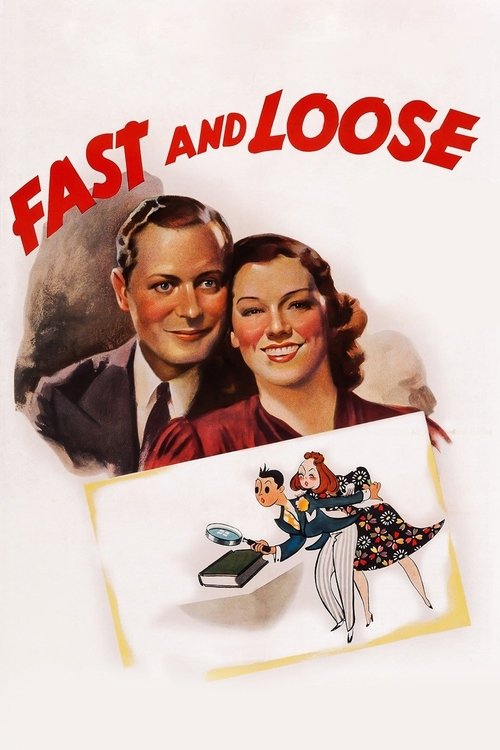
1939
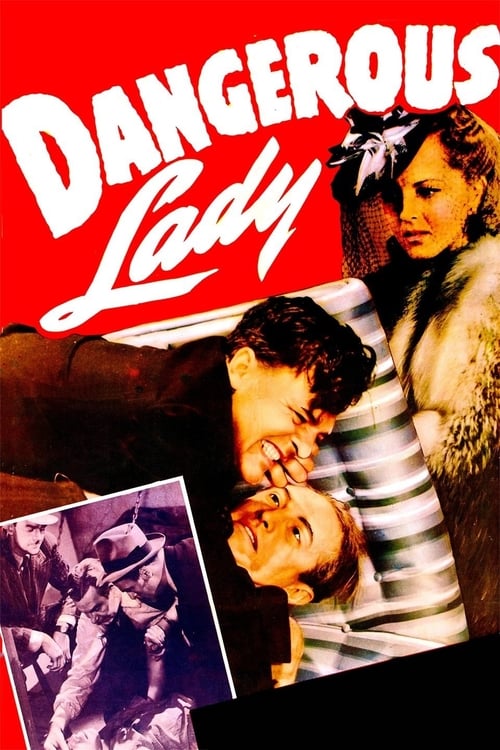
1941
No reviews yet. Be the first to share your thoughts on this movie!
Use the rating form above to leave a star rating and optional review.