Fast and Loose
1939
No user ratings available yet
Representation score: 1.8 out of 10
Representation Score
Minimal
1943
Director
Oswald Mitchell
Runtime
85 minutes
Average Rating
No ratings yetNew Showbiz Analysis
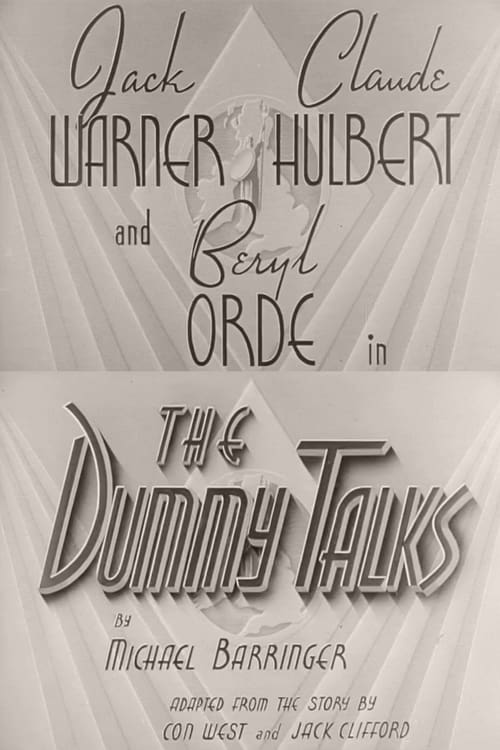
The Dummy Talks is a typical 1943 British mystery-comedy that fits the standards of its era. It adheres to the established social and demographic norms common in mid-century British cinema. The film lacks the tools or intent to challenge traditional storylines. It centers on a crime involving counterfeit money and murder in a variety theater, prioritizing social stability over progressive representation. Overall, the production reflects the traditional and homogeneous landscape of the 1940s British film industry.
Category Breakdown
The film does not include any characters or stories related to LGBTQ+ identities. It seems to follow the social norms of 1943, where such identities were rarely represented.
Women play supporting roles or help move the plot forward, but the story follows typical genre conventions without challenging traditional gender roles or showing masculinity as ineffective.
The cast and setting reflect the homogeneous demographics of the time. The film portrays a typical white, Anglo-Saxon social environment.
The themes center on traditional morality and restoring social order. The narrative aligns with mid-century Western values and emphasizes the importance of legal institutions.
The term 'dummy' likely refers to a ventriloquist's figure rather than a person with a disability. There is no indication of a character with a disability having a significant role in the story.
Present on Screen
Limited or Absent
Official Synopsis
An operation of counterfeit five pound notes is discovered at a variety theater, leading to murder during the performance.
1939
1944
1940
1937
1936
1937
1943
1941
No reviews yet. Be the first to share your thoughts on this movie!
Use the rating form above to leave a star rating and optional review.