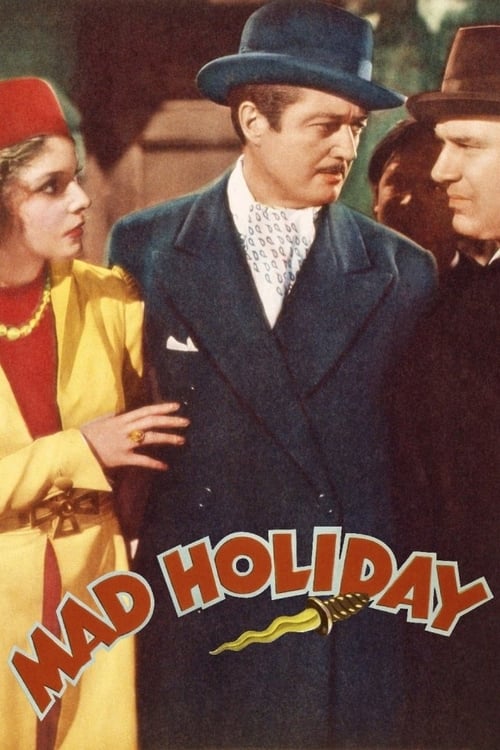
Mad Holiday
1936
No user ratings available yet
Diversity score: 1.8 out of 10
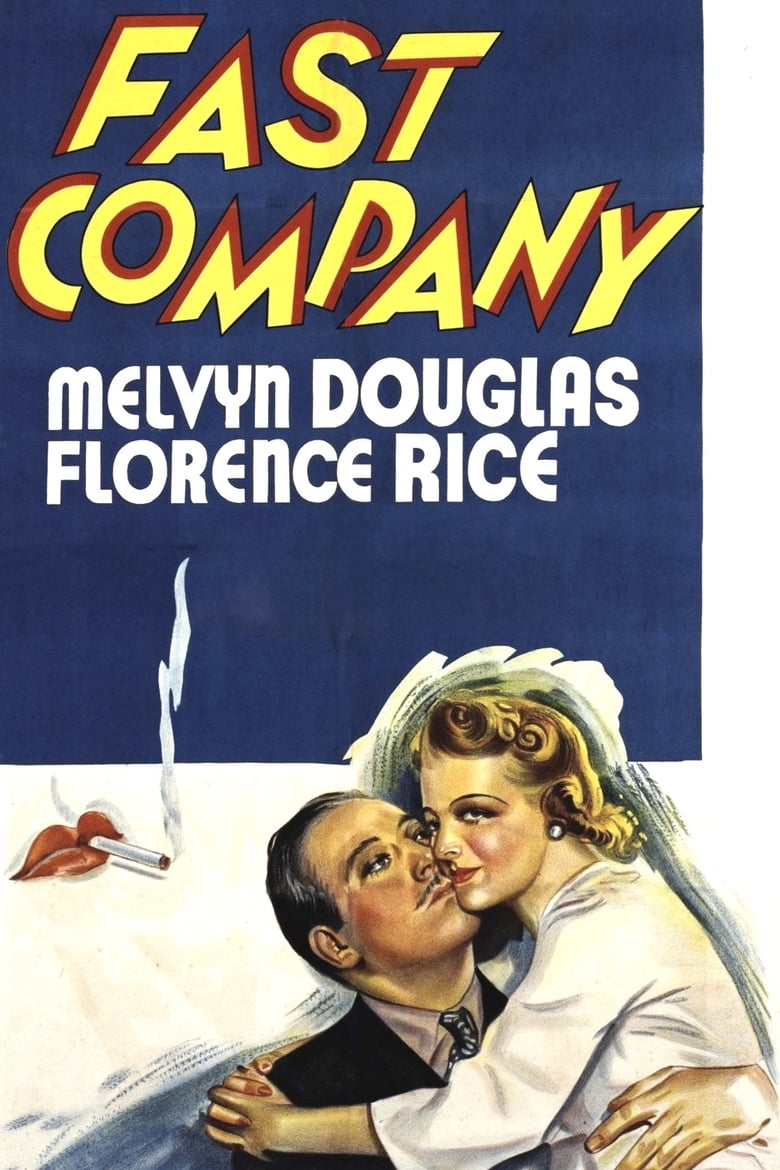
1938
ApprovedDirector
Edward Buzzell
Runtime
75 minutes
Average Rating
No ratings yetSynopsis
Married book-dealers Joel & Garda Sloane try to clear a friend in the murder of a rival book-seller.
Overall Score
Limited
Category Breakdown
LGBTQ+ Representation
The film adheres strictly to the heteronormative social structures of the late 1930s. There is no representation of non-cisnormative identities or same-sex intimacy.
Gender Representation
Female characters demonstrate significant verbal agency and intellectual parity within a professional newsroom setting. The screwball comedy framework allows women to be assertive and witty rather than submissive.
Racial & Ethnic Diversity
The narrative focus remains centered on a homogeneous white, urban professional class. There is a lack of meaningful racial or ethnic diversity in the casting.
Religious & Cultural Diversity
The story emphasizes professional ambition and social decorum within a middle-class setting. It portrays romantic partnerships and professional life as stable pillars of social existence.
Disability Representation
The film does not feature characters with visible or invisible disabilities. There is no evidence of neurodivergent representation within the text.
Strengths
Areas for Improvement
AI Analysis
Fast Company is a quintessential product of the Golden Age of Hollywood, characterized by a narrow demographic focus. While it offers progressive value by subverting gendered power dynamics, it remains tethered to the social and racial hierarchies of the 1930s. The film's primary strength is its depiction of women as professionally capable and intellectually equal to men. However, this progressiveness is limited to gendered tropes and does not extend to broader intersectional identities. Ultimately, the film reflects the era's tendency to present Western, Anglo-Saxon professional circles as the standard social norm, resulting in a lack of racial and cultural breadth.
No reviews yet. Be the first to share your thoughts on this movie!
Use the rating form above to leave a star rating and optional review.