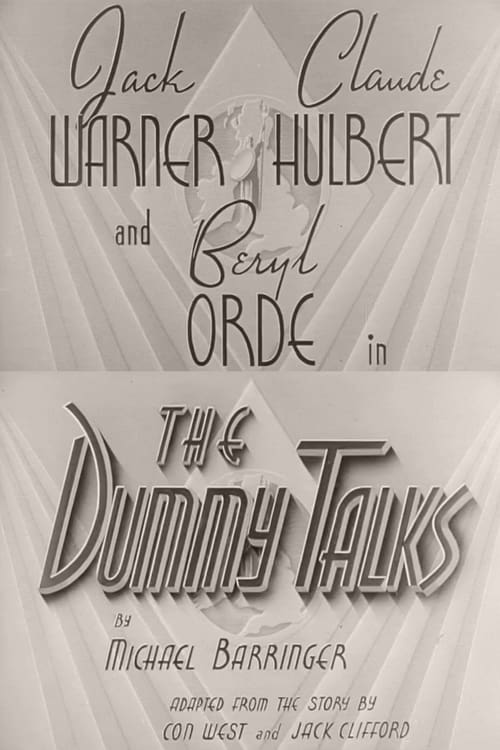
The Dummy Talks
1943
No user ratings available yet
Diversity score: 2.2 out of 10
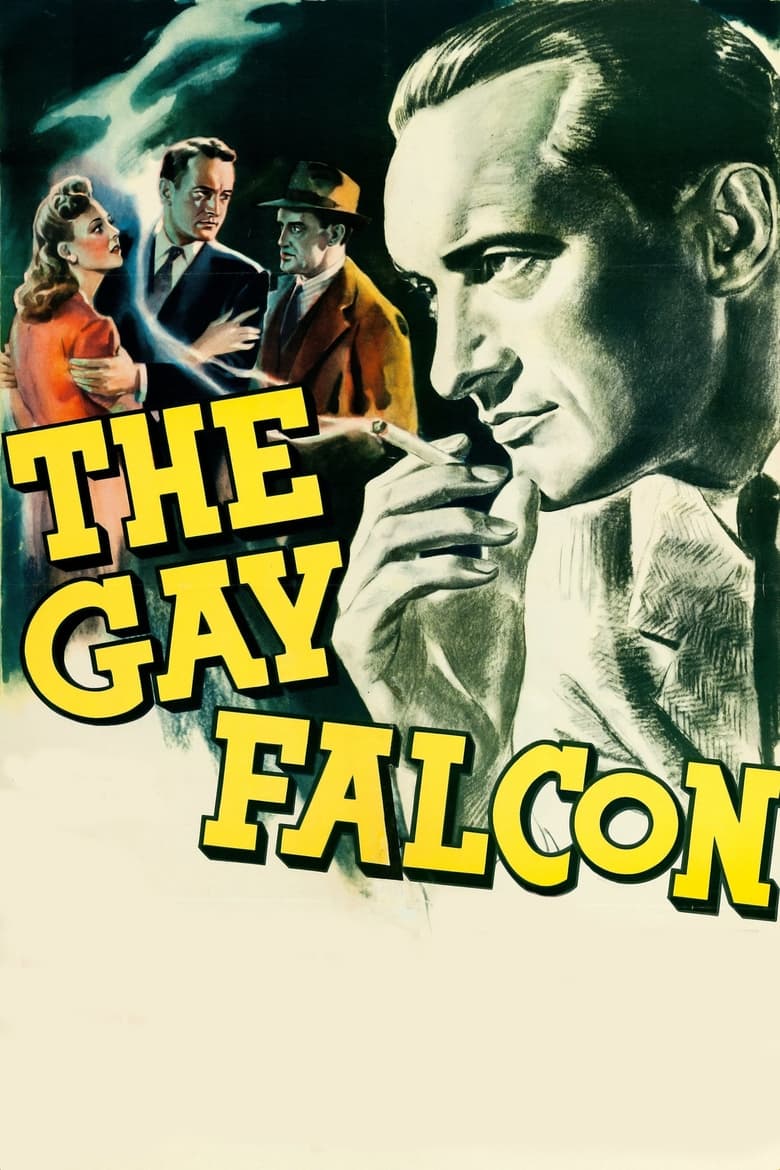
1941
NRDirector
Irving Reis
Runtime
67 minutes
Average Rating
No ratings yetSynopsis
Having forsaken the detective business for the safer confines of personal insurance, Gay Laurence is compelled to return to his sleuthing ways. Along with sidekick Jonathan "Goldie" Locke, he agrees to look into a series of home party robberies that have victimized socialite Maxine Wood. The duo gets more than they bargained for when a murder is committed at Wood's home, but Lawrence still finds time to romance the damsel.
Overall Score
Limited
Category Breakdown
LGBTQ+ Representation
The title uses 'Gay' in its historical sense of being lighthearted rather than denoting sexual orientation. The film follows conventional heteronormative romantic tropes without queer narratives.
Gender Representation
Gender roles follow 1940s archetypes, placing the male protagonist in the active investigator role. The female lead is framed as a damsel, centering agency in the male lead.
Racial & Ethnic Diversity
The film reflects the homogeneous casting norms of its era. The focus on socialite circles suggests a predominantly white, Anglo-Saxon cast typical of 1940s Hollywood mysteries.
Religious & Cultural Diversity
The narrative reinforces Western social stability and the preservation of the status quo. It focuses on protecting private property and restoring order within established social structures.
Disability Representation
There is no mention of characters with visible or invisible disabilities. No information is available regarding the portrayal of physical or neurodivergent impairments.
Strengths
Areas for Improvement
AI Analysis
The film is a conventional 1940s mystery that adheres strictly to the social and gender hierarchies of its time. It functions as a standard genre piece, prioritizing traditional archetypes over narrative subversion. Character agency is unevenly distributed, with the male detective driving the plot while female characters occupy more passive roles. The setting reinforces a narrow, homogeneous view of socialite life. Ultimately, the work lacks intersectional complexity, serving instead to uphold the era's established norms regarding race, gender, and social standing.
1943
1950
1935
1940
1940
1937
1934
1930
1950
1943
1941
1936
No reviews yet. Be the first to share your thoughts on this movie!
Use the rating form above to leave a star rating and optional review.