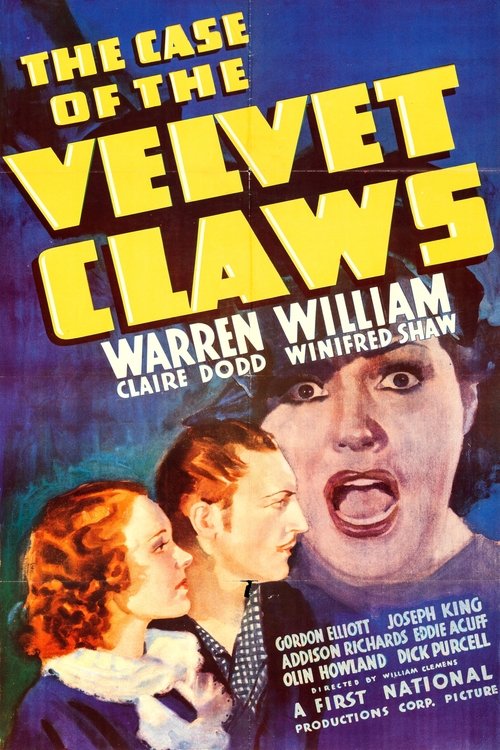
The Case of the Velvet Claws
1936
No user ratings available yet
Representation score: 0.4 out of 10

Representation Score
Minimal
1929
Director
Gregory La Cava
Runtime
75 minutes
Average Rating
No ratings yetNew Showbiz Analysis
Big News is a period piece that closely follows the social and narrative conventions of 1929. The film focuses on the professional and romantic struggles of a male reporter in a traditional setting. Since the production adheres to the studio systems of its time, it does not intentionally address multiple aspects of identity. The themes emphasize established social structures and traditional masculine storylines rather than challenging existing hierarchies. Overall, the film reflects the homogeneous social circles of the late 1920s, providing little disruption to the status quo.
Category Breakdown
The film follows traditional romantic storylines common in early sound era movies. It does not include characters with non-conforming gender identities or critiques of the assumption that everyone is straight or cisgender.
The story revolves around a male protagonist dealing with alcoholism and a murder accusation. It follows a traditional masculine storyline focused on crisis.
The narrative reflects the predominantly white social structures typical of late 1920s Hollywood. It does not feature a diverse cast or actors playing roles traditionally reserved for white actors.
The story emphasizes journalism ethics and personal dilemmas. It upholds traditional social stability and moral standards without challenging Western cultural or familial norms.
The film does not depict characters facing physical, sensory, or neurological differences.
Present on Screen
Limited or Absent
Official Synopsis
A reporter's marriage is jeopardized by his drinking and he finds himself accused of a murder he didn't commit.
1936

1930
1939
1936
1935
1942
1939
1934
No reviews yet. Be the first to share your thoughts on this movie!
Use the rating form above to leave a star rating and optional review.