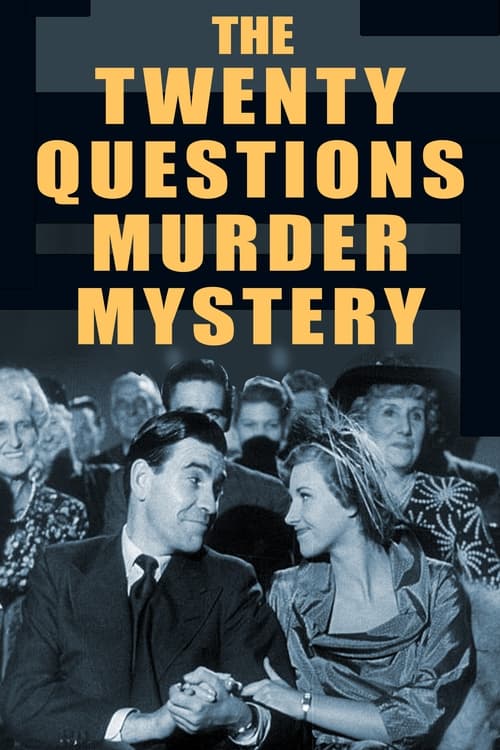
The Twenty Questions Murder Mystery
1950
No user ratings available yet
Representation score: 1.3 out of 10
Representation Score
Limited
1943
NRDirector
William A. Wellman
Runtime
91 minutes
Average Rating
No ratings yetNew Showbiz Analysis
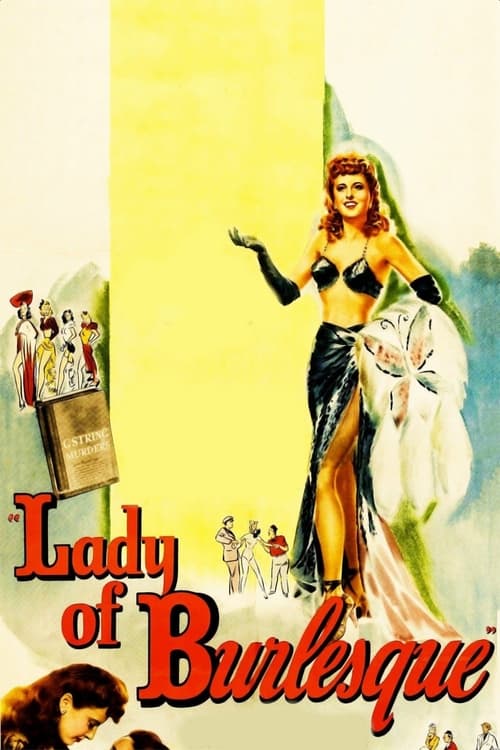
Lady of Burlesque is a conventional genre piece that reflects the social norms of its time. While the film features a central female character with a degree of ability to act, she operates within a framework that ultimately reinforces traditional gender roles. The production maintains the social and demographic status quo of 1943. It lacks intentionality regarding diverse identities, offering almost no representation for LGBTQ+ individuals, racial diversity, or people with disabilities. Ultimately, the film serves as a standard mid-century crime mystery. It focuses on genre-driven storytelling rather than disrupting social hierarchies or exploring diverse cultural perspectives.
Category Breakdown
The film does not include any LGBTQ+ characters or non-cisgender identities. It follows the heterosexual social norms typical of the 1940s.
The female protagonist shows resilience and intelligence while navigating a male-dominated theatrical world. However, her role remains largely reactive to the male-driven criminal plot.
The cast appears largely homogeneous, reflecting typical mid-century demographics. There is no evidence of significant racial diversity or the subversion of Anglo-Saxon norms.
The story explores a working-class burlesque subculture but operates within traditional social frameworks. It follows conventional mystery clichés without challenging established institutions.
There is no evidence of characters with visible or invisible disabilities. The narrative does not engage with neurodivergence or physical impairments.
Present on Screen
Limited or Absent
Official Synopsis
After one member of their group is murdered, the performers at a burlesque house must work together to find out who the killer is before they strike again.
1950
1947
1941
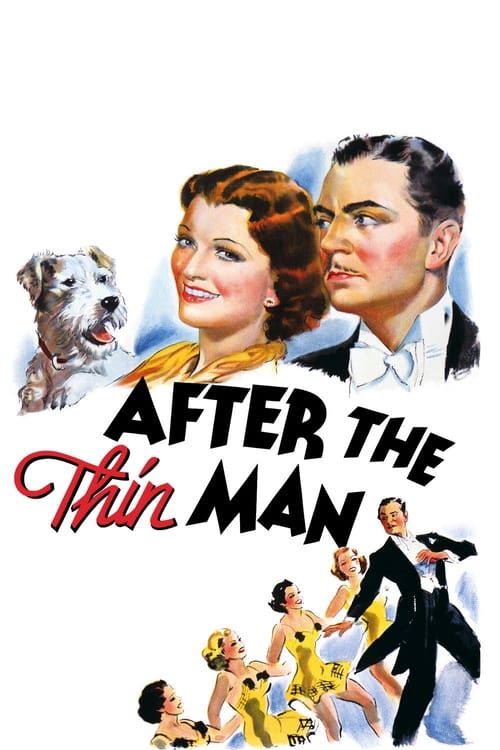
1936
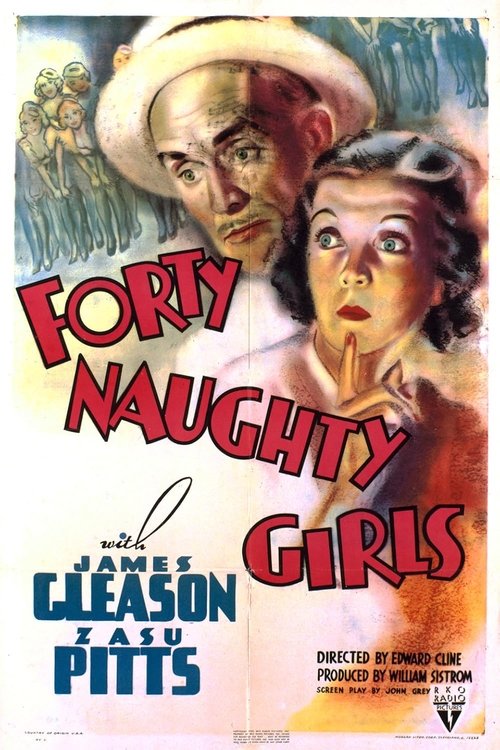
1937
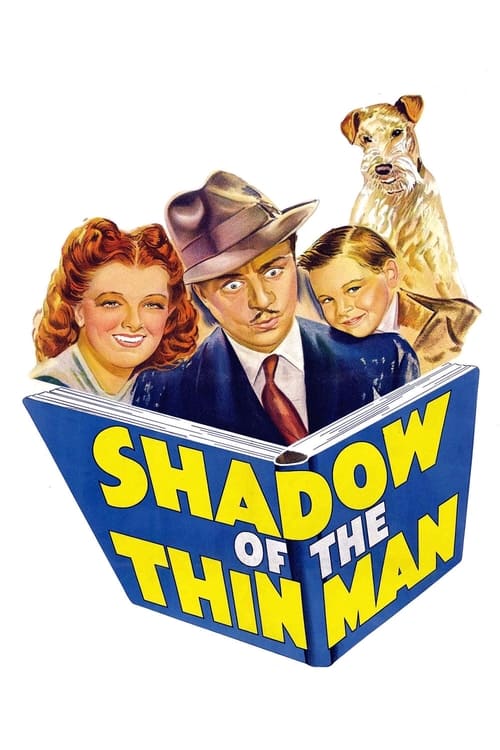
1941
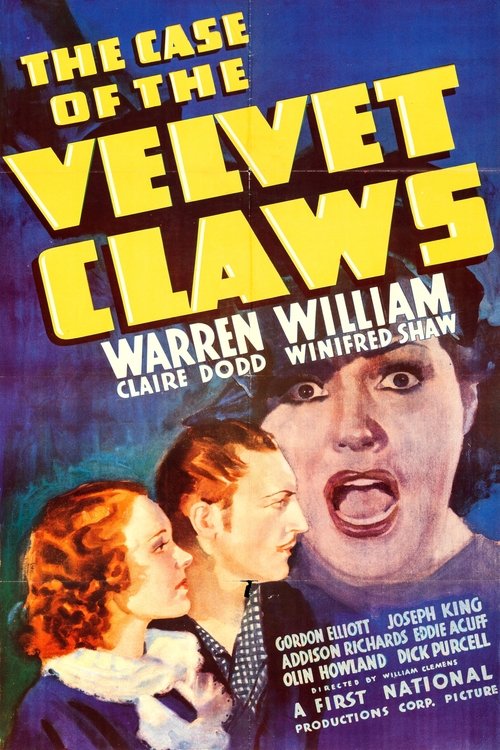
1936
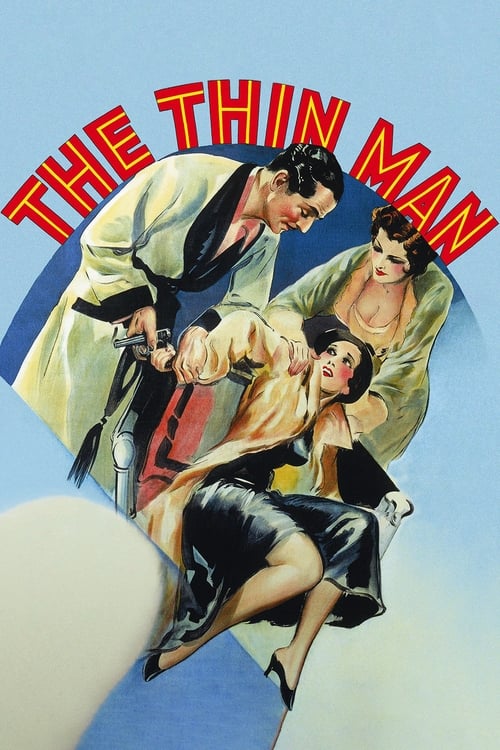
1934
No reviews yet. Be the first to share your thoughts on this movie!
Use the rating form above to leave a star rating and optional review.