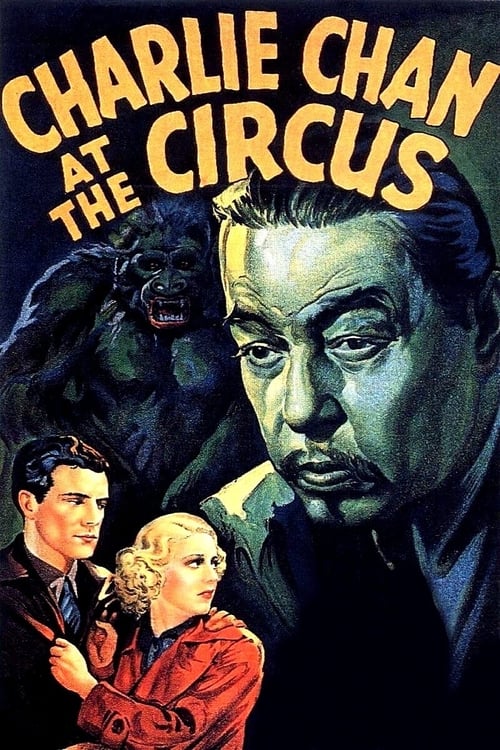
Charlie Chan at the Circus
1936
No user ratings available yet
Representation score: 1.2 out of 10
Representation Score
Minimal
1937
ApprovedDirector
Eugene Forde
Runtime
71 minutes
Average Rating
No ratings yetNew Showbiz Analysis
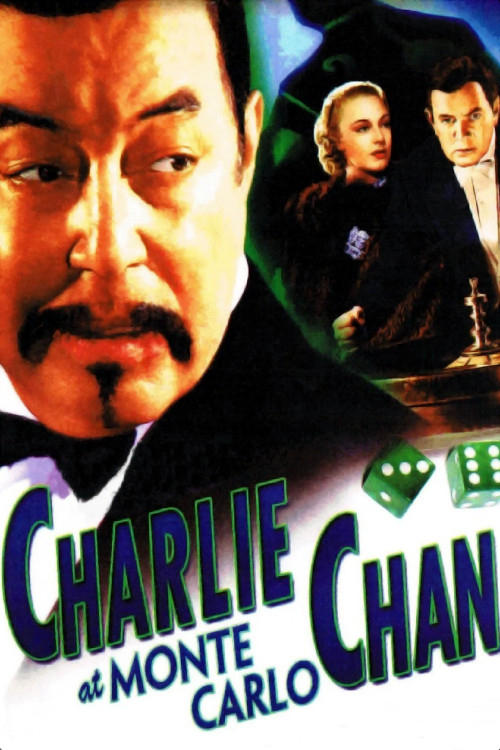
Charlie Chan at Monte Carlo is shaped by the social structures and narrative conventions of its time. Its main strength in diversity is the central role of a person of color with intellectual authority, which was uncommon in the 1930s. However, the film lacks complexity in representing diverse identities. It upholds a rigid framework that excludes LGBTQ+ identities and disabilities, while keeping women in secondary roles within a patriarchal mystery setting. Overall, the film aims to reinforce social equilibrium without critiquing the institutions or cultural norms it portrays.
Category Breakdown
The film follows the social norms of 1937 and does not include any queer themes or non-binary gender identities.
Women in the film are mainly portrayed as socialites or characters needing protection. The story maintains a patriarchal structure where men hold leadership positions.
Warner Oland stands out as a Chinese lead character. Despite his high intellect, his portrayal is rooted in the cinematic conventions of the 1930s.
The story emphasizes Western cultural stability and leisure in Monte Carlo, promoting a conventional social order and hierarchy.
All characters in the film are able-bodied. There is no representation of characters with physical or neurodivergent disabilities.
Present on Screen
Limited or Absent
Official Synopsis
Although Charlie and Lee are in Monaco for an art exhibit, they become caught up in a feud between rival financiers which involves the Chan's in a web of blackmail and murder.
1936
1941
1944
1944
1936
1934
1939
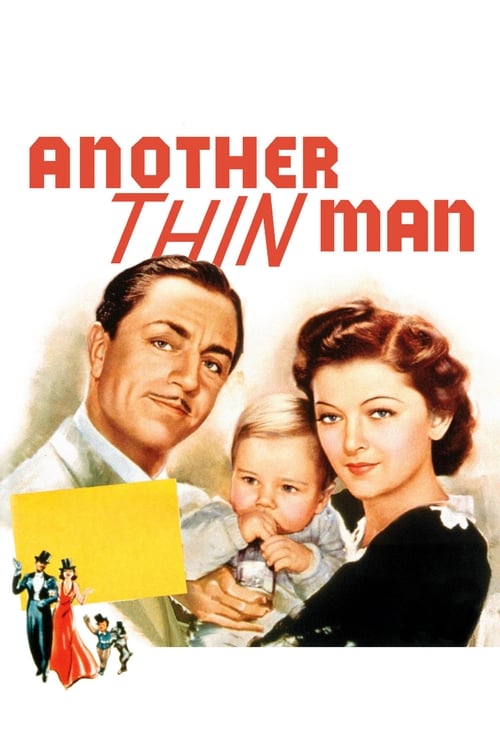
1939
No reviews yet. Be the first to share your thoughts on this movie!
Use the rating form above to leave a star rating and optional review.