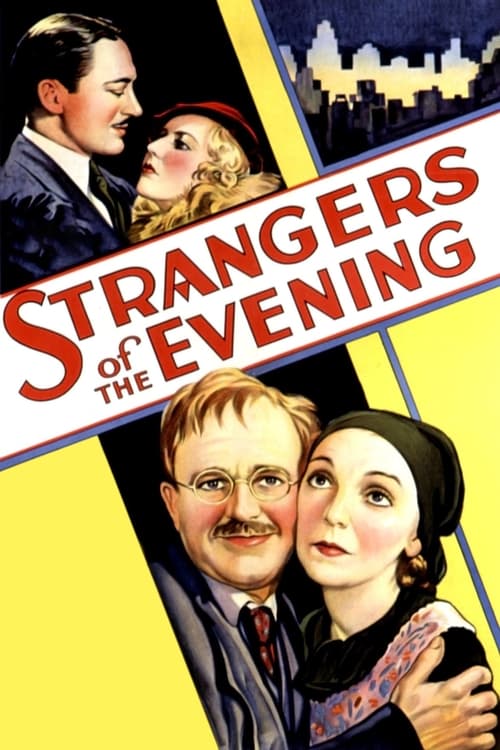
Strangers of the Evening
1932
No user ratings available yet
Diversity score: 3.0 out of 10
1932
NRDirector
Edwin L. Marin
Runtime
75 minutes
Average Rating
No ratings yetSynopsis
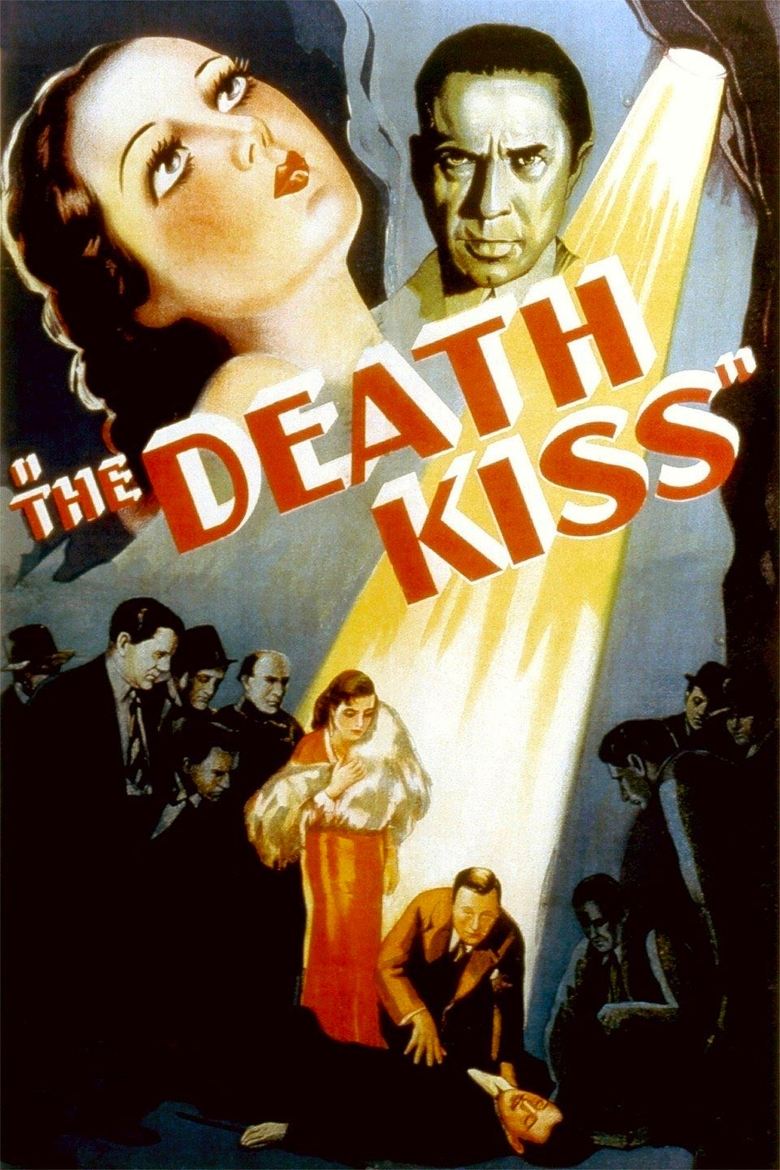
When a movie actor is shot and killed during production, the true feelings about the actor begin to surface. As the studio heads worry about negative publicity, one of the writers tags along as the killing is investigated and clues begin to surface.
Overall Score
Limited
Category Breakdown
LGBTQ+ Representation
The film adheres to strict heteronormative romantic structures. There is no evidence of same-sex intimacy or non-cisnormative gender identities present in the narrative.
Gender Representation
Traditional gender dynamics dominate the story. The female lead acts primarily as a catalyst for the male protagonist's moral arc rather than a fully independent agent.
Racial & Ethnic Diversity
The cast appears homogeneous, reflecting the standard demographic norms of early 1930s studio productions. No significant non-white representation is documented.
Religious & Cultural Diversity
The narrative focuses on individualistic morality and personal redemption within a gangster framework. It avoids broader systemic critiques of Western institutions or capitalism.
Disability Representation
There is no discernible evidence regarding the inclusion or depiction of visible or invisible disabilities within the character arcs.
Strengths
Areas for Improvement
AI Analysis
The Death Kiss is a standard Pre-Code genre piece that reinforces the social and romantic hierarchies of its era. It functions as a localized character study centered on individual moral struggles within a criminal underworld. The film lacks intentional intersectional subversion, opting instead for the conventional tropes of 1930s crime dramas. Its focus remains on the male experience of crime and redemption, leaving little room for diverse identity exploration. Ultimately, the production reflects the historical limitations of early studio filmmaking, prioritizing traditional narrative structures over the deconstruction of cultural or social norms.
No reviews yet. Be the first to share your thoughts on this movie!
Use the rating form above to leave a star rating and optional review.