
Strange Affair
1944
No user ratings available yet
Representation score: 1.6 out of 10
Representation Score
Minimal
1940
ApprovedDirector
Charles Lamont
Runtime
59 minutes
Average Rating
No ratings yetNew Showbiz Analysis
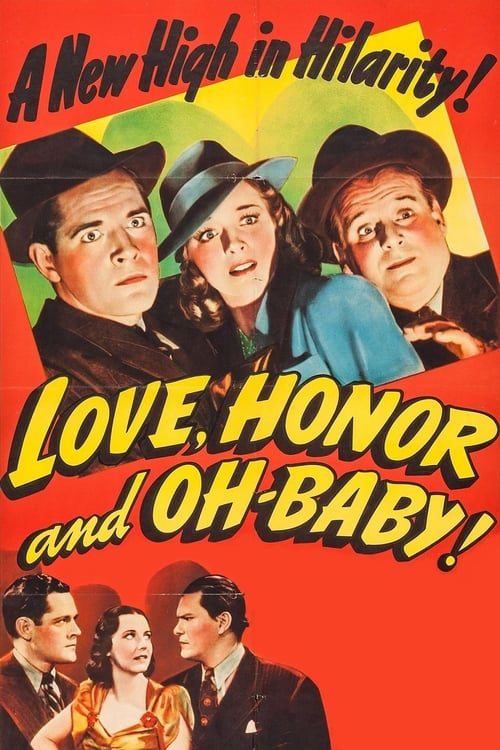
Love, Honor and Oh-Baby! is a classic screwball comedy that emphasizes traditional romantic clichés and situational humor. The narrative structure relies on mistaken identity and emotional shifts, following a conventional path typical of the 1940s studio system. Representation is constrained by the era's social norms. The film centers on male-driven narratives and heterosexual relationships, offering little space for diverse identities or broader social critiques. The focus remains on interpersonal loyalty and comedic conflict. Ultimately, the film functions as a standard genre piece, reinforcing the social hierarchies of its time rather than challenging or exploring them through diverse character perspectives.
Category Breakdown
The film follows a traditional romantic structure focused on heterosexual relationships. There are no characters with non-cisgender identities.
The narrative focuses on the male lead's actions and decisions. Women play important roles but mainly serve as romantic interests within traditional gender dynamics.
The film likely reflects the homogeneous casting practices of 1940s Hollywood. It presents a standard Western-centric viewpoint typical of the studio system during that time.
The story upholds traditional Western social values regarding romantic honor. It avoids broader critiques, focusing instead on individual romantic pursuits and comedic misunderstandings.
There are no characters dealing with physical, sensory, or neurodivergent conditions. The plot stays centered on romantic and situational comedy.
Present on Screen
Limited or Absent
Official Synopsis
In despair after breaking up with his girlfriend, a man hires a thug he has never seen to kill him. However, he changes his mind when he falls in love with another woman--but he can't stop the man trying to kill him because he doesn't know who he is.
1944
1945
1940
1942
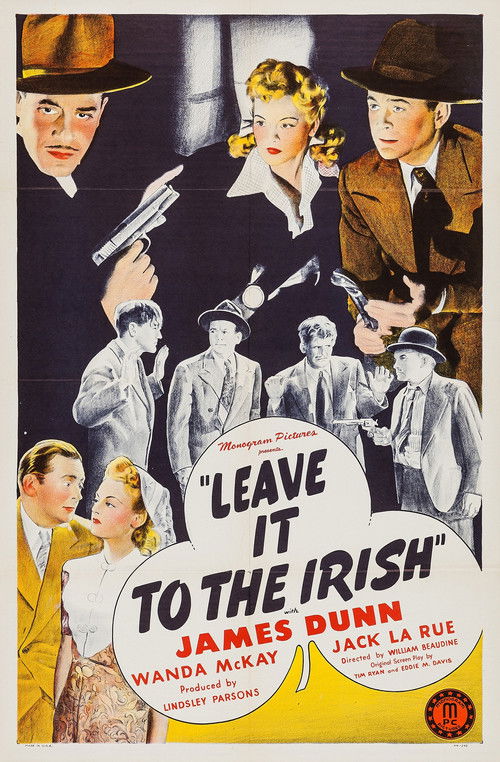
1944
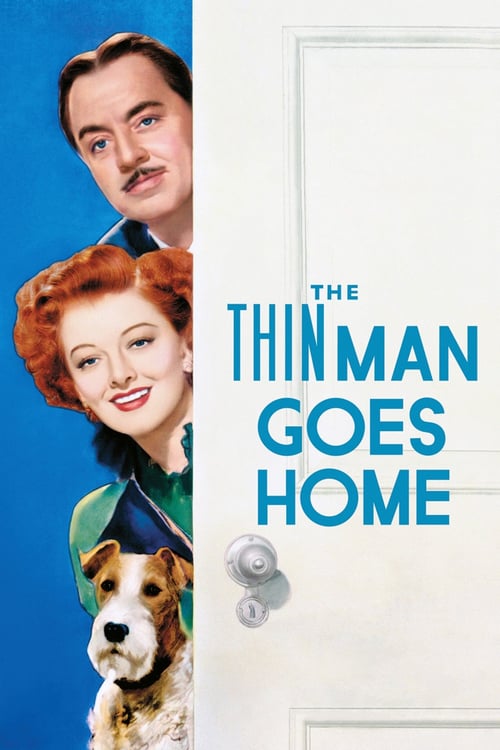
1944
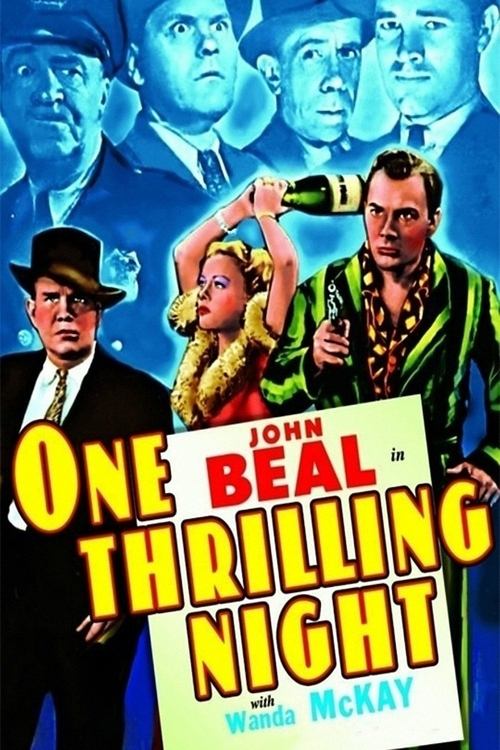
1942
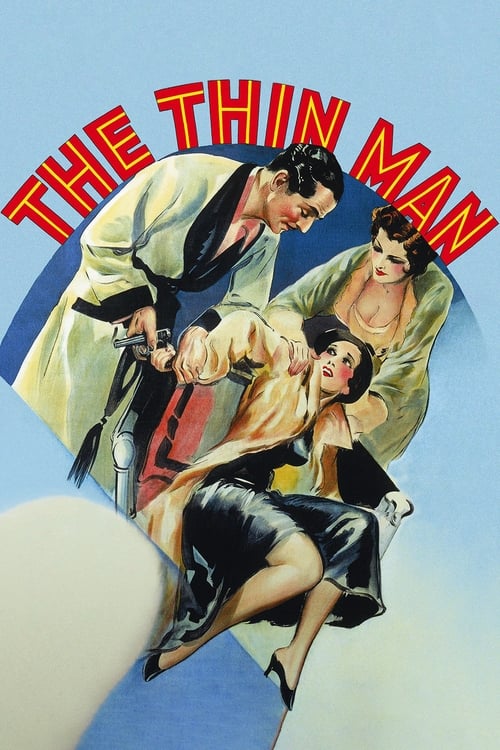
1934
No reviews yet. Be the first to share your thoughts on this movie!
Use the rating form above to leave a star rating and optional review.