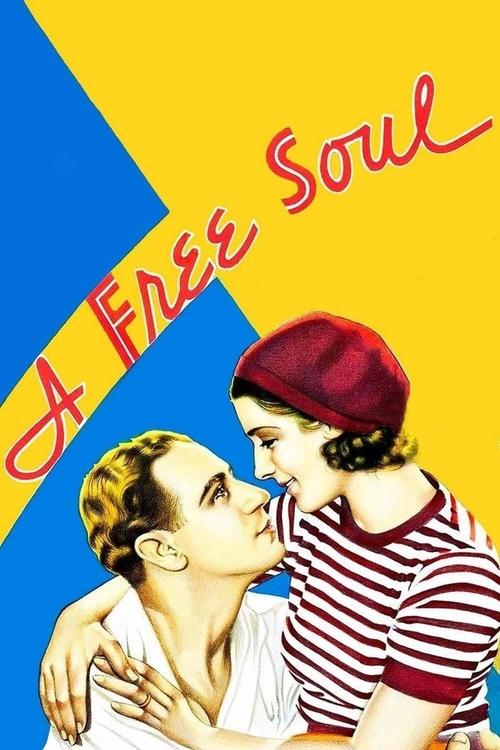
A Free Soul
1931
No user ratings available yet
Diversity score: 3.0 out of 10
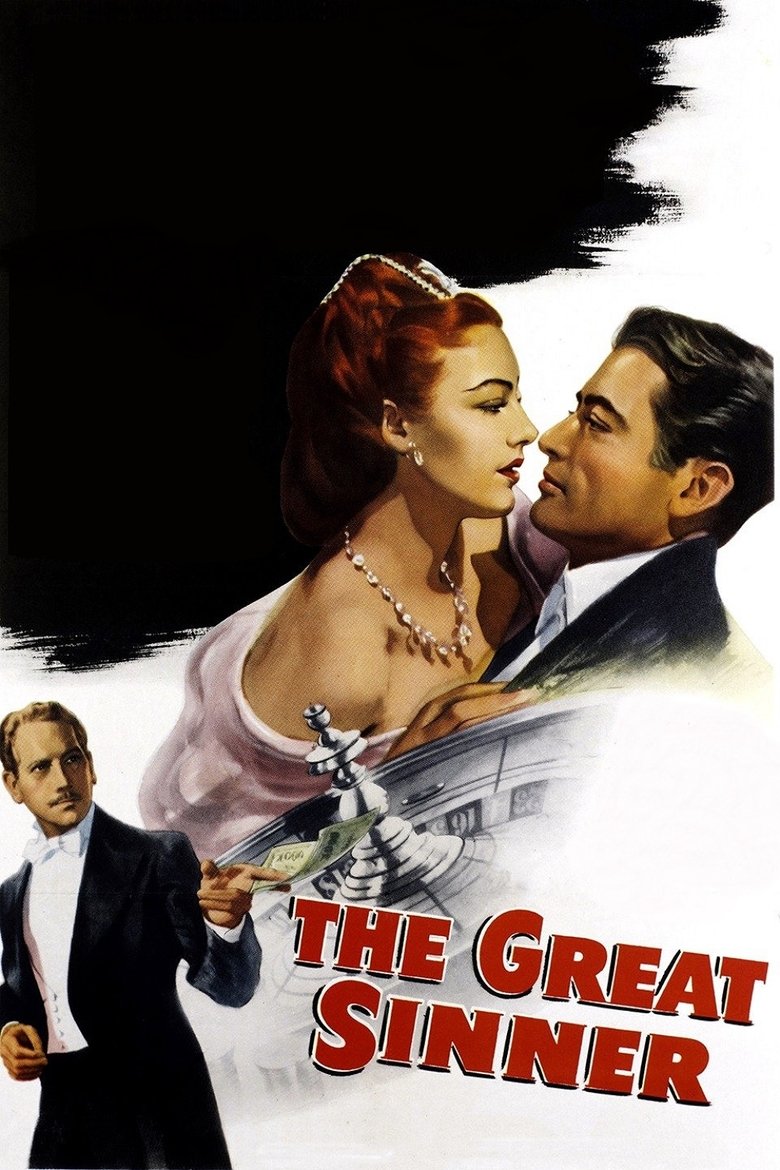
1949
NRDirector
Robert Siodmak
Runtime
110 minutes
Average Rating
No ratings yetSynopsis
A young man succumbs to gambling fever.
Overall Score
Fair
Category Breakdown
LGBTQ+ Representation
The film adheres to the heteronormative romantic structures typical of 1940s studio productions. There is no evidence of queer subtext or non-cisnormative identities within the plot.
Gender Representation
Pauline Ostrovsky provides a nuanced portrayal of female agency. As a reformed gambling addict, she possesses a psychological depth that exists independently of the male protagonist.
Racial & Ethnic Diversity
The cast remains homogeneous within the period's production standards. While set in 1860s Russia, there is no significant evidence of non-white characters in roles of agency.
Religious & Cultural Diversity
The narrative challenges singular Christian morality by exploring subjective, destructive impulses. It favors a complex, non-traditional moral framework centered on the protagonist's internal struggle.
Disability Representation
The film explores the psychological struggle of compulsive gambling addiction. However, it does not feature neurodivergence or physical disabilities as central, agentic character traits.
Strengths
Areas for Improvement
AI Analysis
The Great Sinner is a mid-century drama that prioritizes psychological realism and moral ambiguity over demographic breadth. It functions as a character study of addiction and impulse rather than a diverse ensemble piece. While the film lacks significant representation regarding LGBTQ+ identity or racial diversity, it succeeds in offering a sophisticated treatment of female agency. The characters are driven by complex, situational ethics rather than simplistic, didactic morality. Ultimately, the film's strength lies in its refusal to rely on one-dimensional archetypes, even as it remains constrained by the era's casting and social norms.
1931
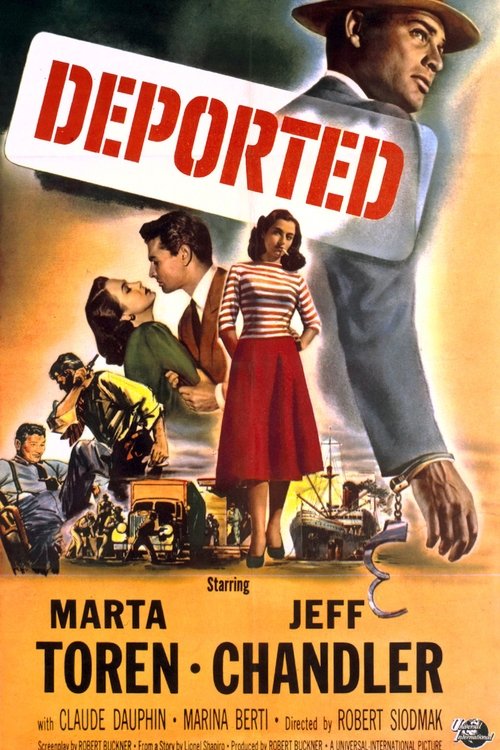
1950
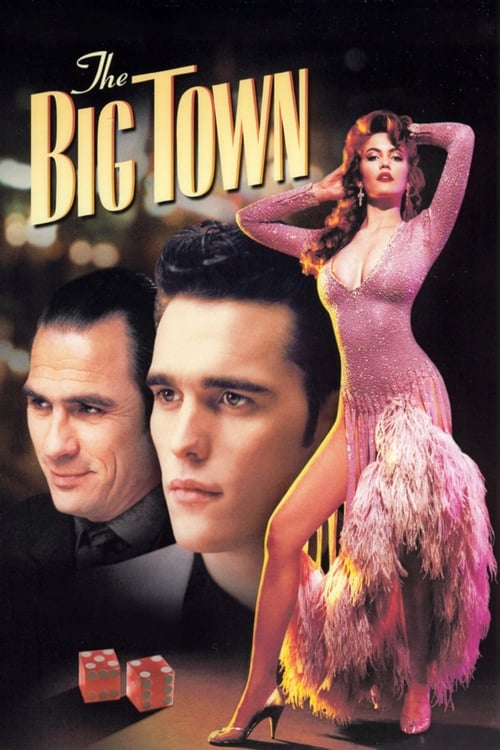
1987
1948
1949
1935
1933
1929
1943
1945
1942
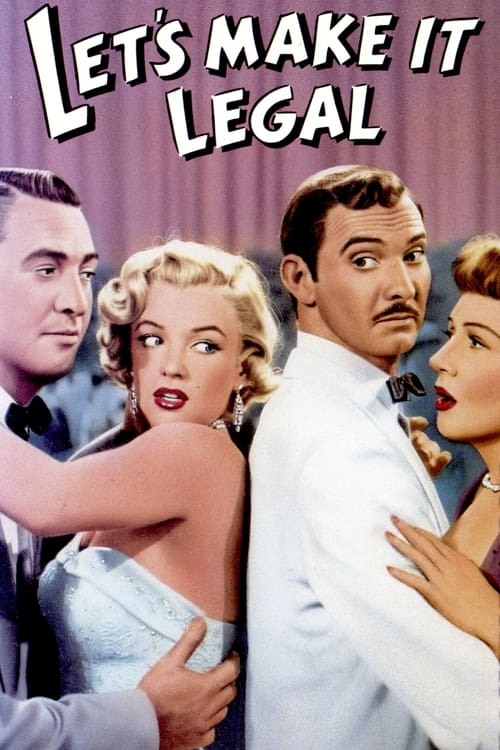
1951
No reviews yet. Be the first to share your thoughts on this movie!
Use the rating form above to leave a star rating and optional review.