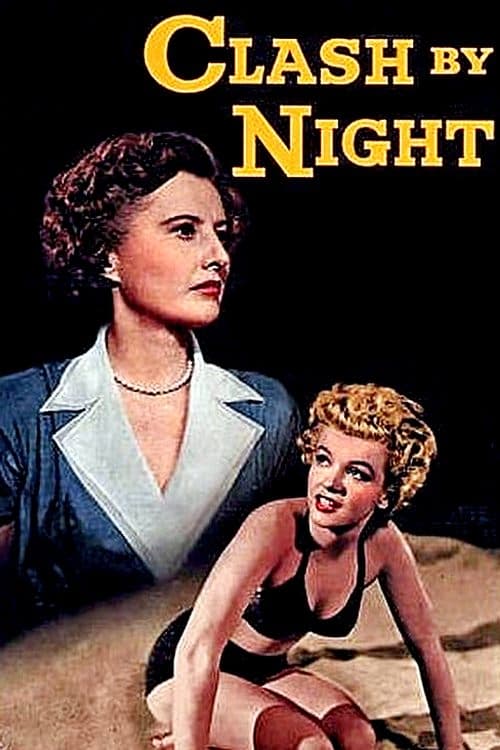
Clash by Night
1952
No user ratings available yet
Representation score: 2.1 out of 10
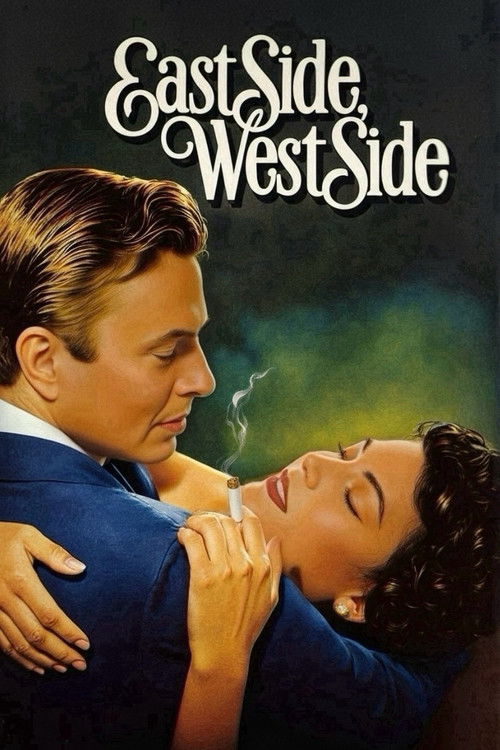
Representation Score
Minimal
1949
NRDirector
Mervyn LeRoy
Runtime
108 minutes
Average Rating
No ratings yetNew Showbiz Analysis
East Side, West Side is a classic product of the mid-century studio system, emphasizing conventional romantic clichés and established social hierarchies. The narrative structure reinforces traditional gender roles and racial homogeneity, maintaining the era's status quo. The film's central tension revolves around socioeconomic class distinctions, used to facilitate romantic reconciliation rather than to critique institutional power or capitalist structures. Ultimately, the production lacks the intentionality needed to challenge or critique the cultural norms of 1949, mirroring the era's standard social and racial landscapes.
Category Breakdown
The film follows a strictly heterosexual storyline with no representation of LGBTQ+ identities or queer subtexts.
The story emphasizes traditional gender roles from the 1940s, where the male protagonist's choices drive the narrative.
The cast is predominantly white, reflecting the era's homogeneous casting practices and lack of diverse ethnic backgrounds.
The film highlights socioeconomic class distinctions but focuses on romantic reconciliation rather than critiquing class structures.
There is no discernible focus on visible or invisible disabilities. Characters appear within standard physical and neurotypical parameters for the genre.
Present on Screen
Limited or Absent
Official Synopsis
A vain businessman puts strains on his happy marriage to a rich, beautiful socialite by allowing himself to be seduced by a former girlfriend.
1952
1935
1952
1945
1960
1939
1934
1950
No reviews yet. Be the first to share your thoughts on this movie!
Use the rating form above to leave a star rating and optional review.