The Truth About Women
1957
No user ratings available yet
Representation score: 3.7 out of 10
Representation Score
Minimal
1951
NRDirector
Richard Sale
Runtime
77 minutes
Average Rating
No ratings yetNew Showbiz Analysis
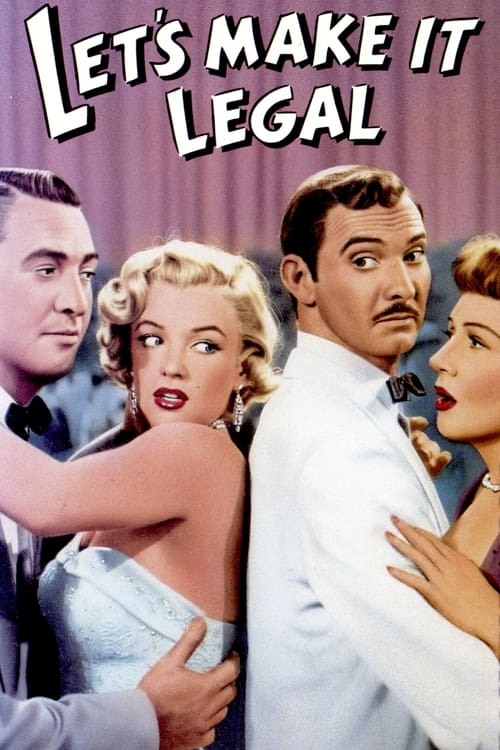
Let's Make It Legal is a product of the traditional cinema of the early 1950s. The narrative centers on individual decisions within a marital context, rather than addressing broader systemic issues or diverse identities. The film's themes revolve around a husband's gambling addiction and the breakdown of a long-term marriage. This focus adheres to the conventional storytelling methods of its era. Overall, the film upholds the social norms of mid-century studio filmmaking, lacking in cultural subversion or diverse identity representation.
Category Breakdown
The film does not include any non-straight relationships or characters. The central conflict revolves around a traditional marriage.
A woman exercises her independence by deciding to divorce her husband due to his gambling problem. However, this action still fits within the gender roles of the time.
The story depicts a typical mid-century American family. There is no indication of a racially diverse cast or characters from different ethnic backgrounds.
The story focuses on personal moral issues rather than broader societal critiques. It aligns with the cultural norms of the mid-20th century.
There is no evidence of characters with physical or neurodivergent disabilities in the film.
Present on Screen
Limited or Absent
Official Synopsis
A woman divorces her husband of 20 years because he gambles too much.
1957
1939
1954
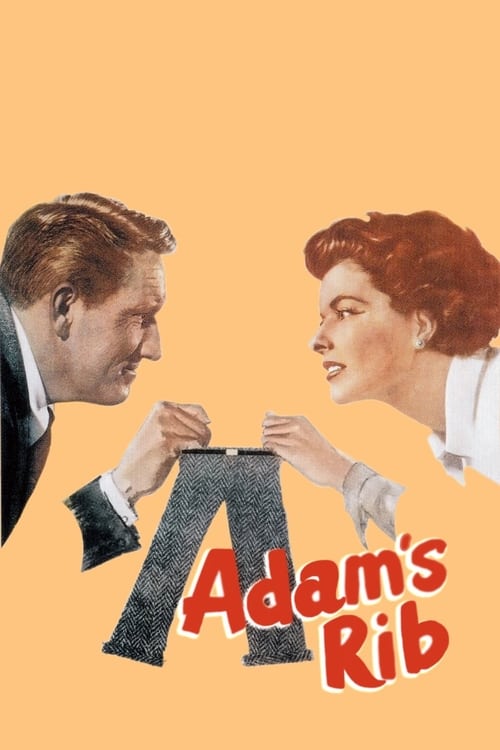
1949
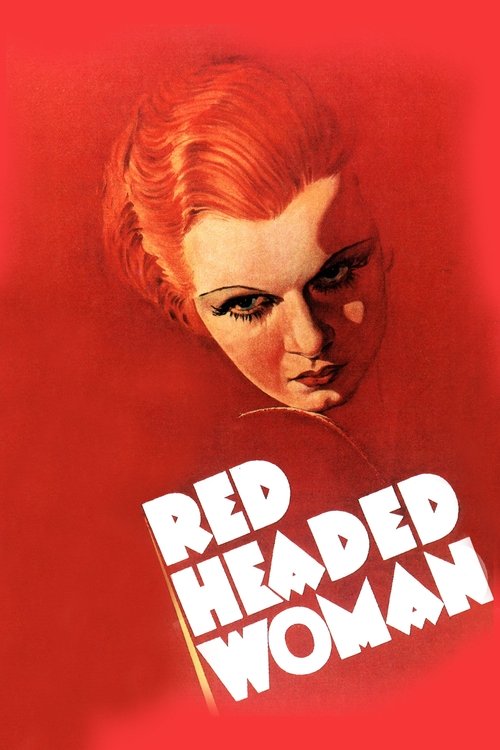
1932
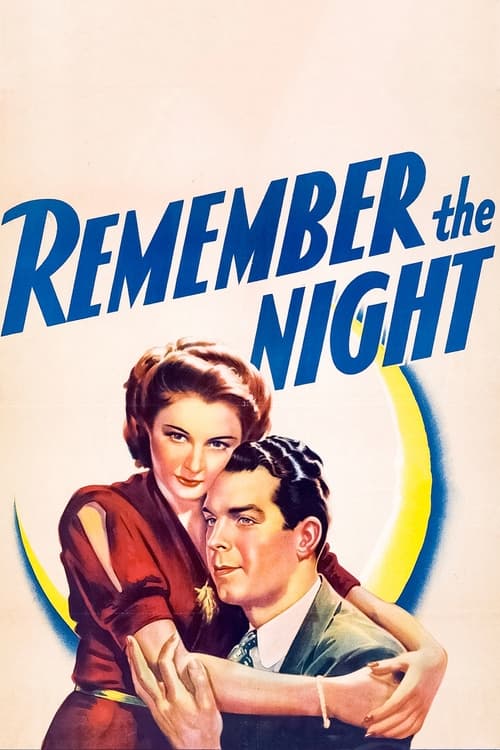
1940
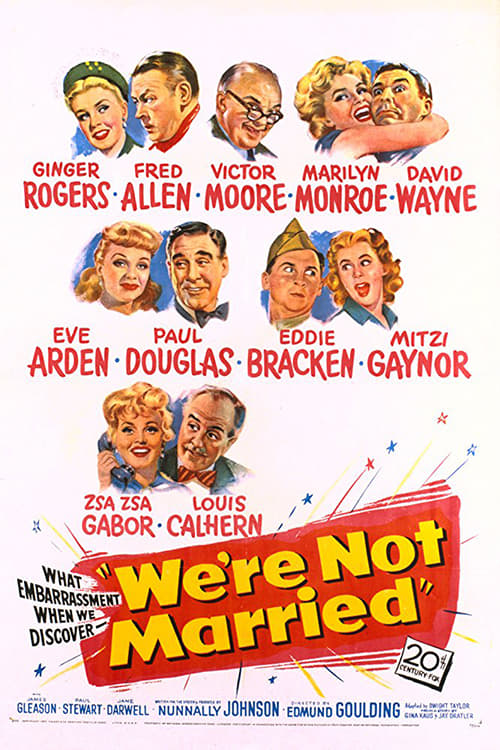
1952
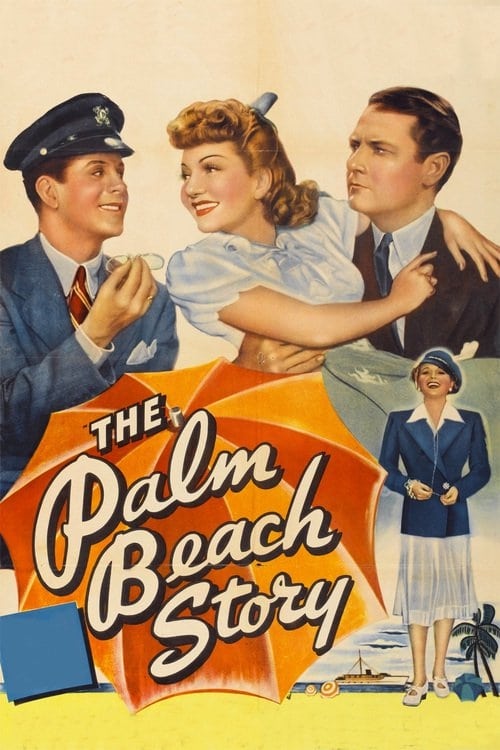
1942
No reviews yet. Be the first to share your thoughts on this movie!
Use the rating form above to leave a star rating and optional review.