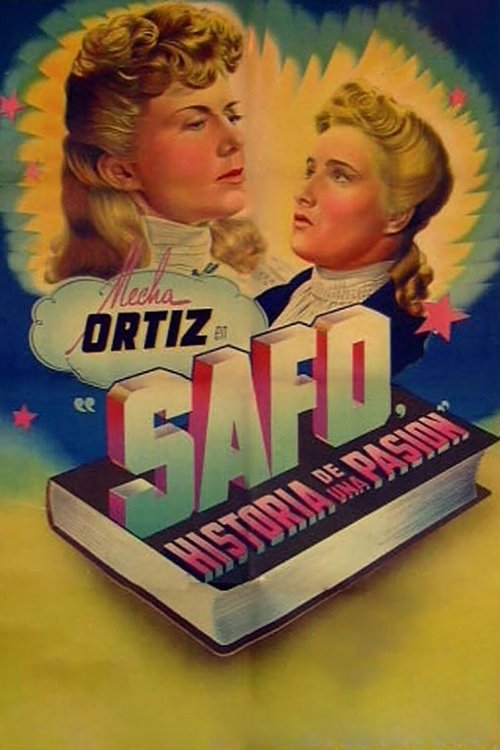
Safo, historia de una pasión
1943
No user ratings available yet
Representation score: 4.0 out of 10
Representation Score
Limited
1948
Director
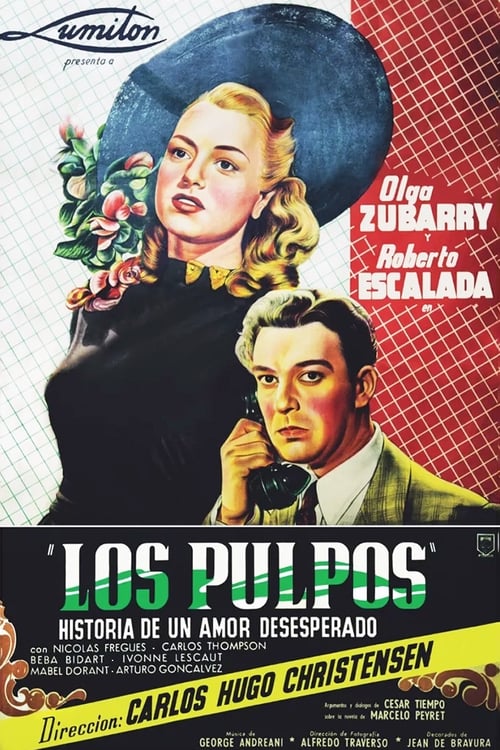
Carlos Hugo Christensen
Runtime
80 minutes
Average Rating
No ratings yetNew Showbiz Analysis
Los pulpos is a mid-century Argentine melodrama that adheres closely to the social and cinematic constraints of its era. The story focuses on a cycle of romantic betrayal between a provincial girl and a young writer, utilizing a structure common to the Golden Age of Argentine cinema. While the film offers a slight departure from passive femininity through the female lead's active infidelity, it remains tethered to traditional moral judgments. The narrative does not seek to challenge gender roles or explore diverse identities, instead operating within established romantic clichés. Ultimately, the film serves as a reflection of its time, prioritizing emotional volatility and conventional social hierarchies over systemic critique or inclusive representation.
Category Breakdown
The film follows a conventional romantic drama structure focused on heterosexual relationships. There are no LGBTQ+ characters or narratives that challenge the assumption that everyone is straight or cisgender.
The female protagonist actively disrupts the cliché of the virtuous woman through her repeated infidelity. However, labeling her actions as 'treacherous' reinforces traditional moral hierarchies.
The production likely reflects the demographic norms of 1948 Argentina. The narrative appears to follow the homogeneous casting patterns typical of provincial dramas from this era.
Rooted in classical melodrama, the film emphasizes singular moralities and social transgressions. It focuses on romantic betrayal within traditional social structures rather than critiquing Western institutions.
There is no evidence to suggest that disability or neurodivergence plays a role in the narrative.
Present on Screen
Limited or Absent
Official Synopsis
A treacherous provincial girl repeatedly cheats on a young writer who loves her madly.
1943
1943
1942
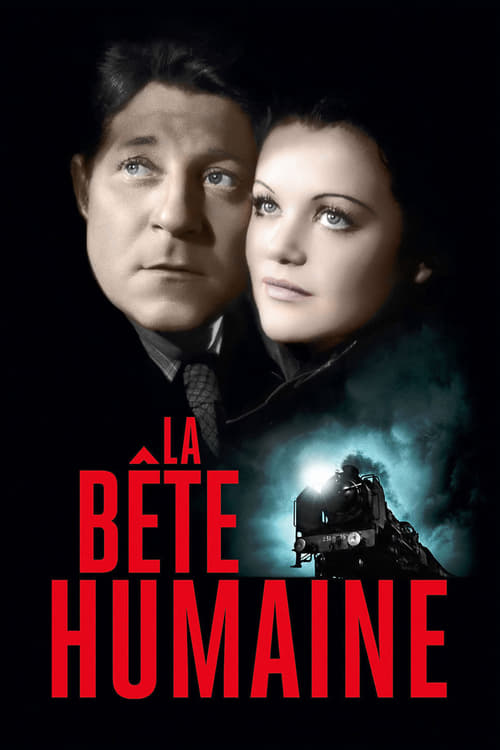
1938
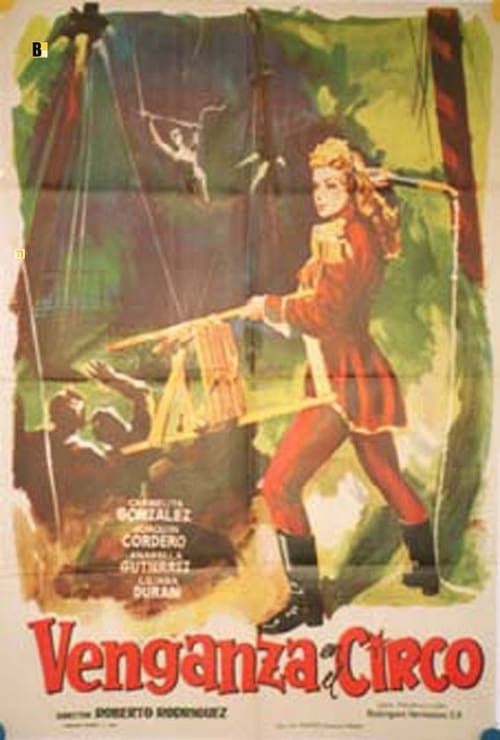
1954
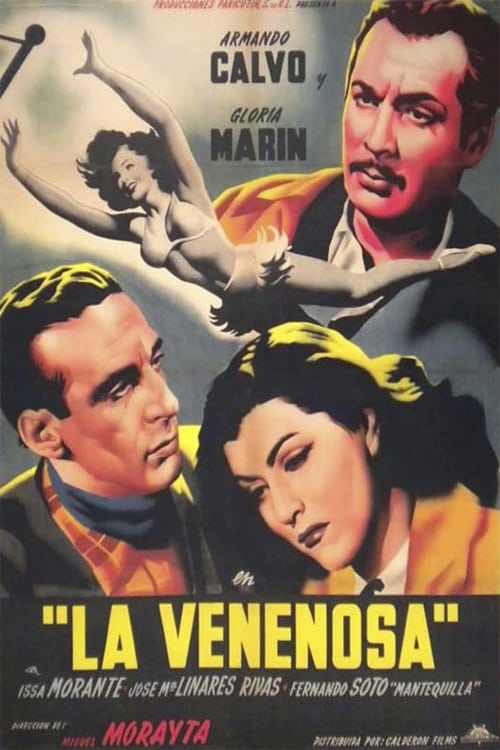
1949
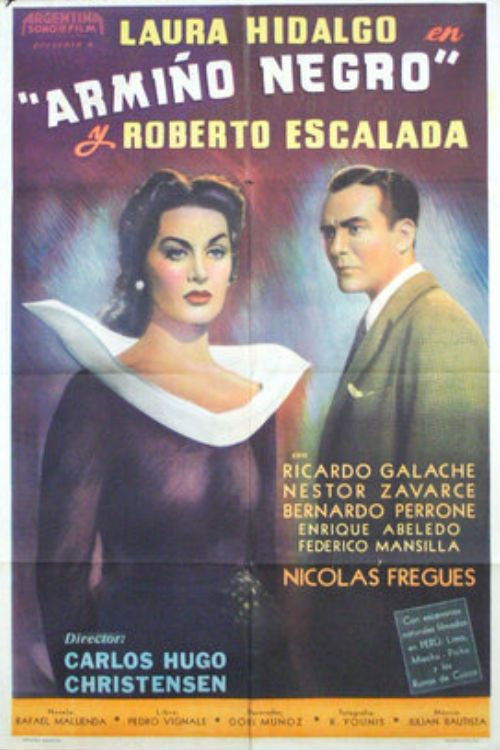
1953
1954
No reviews yet. Be the first to share your thoughts on this movie!
Use the rating form above to leave a star rating and optional review.