
Texas Wildcats
1939
No user ratings available yet
Diversity score: 1.9 out of 10
1956
ApprovedDirector
Sam Newfield
Runtime
74 minutes
Average Rating
No ratings yetSynopsis
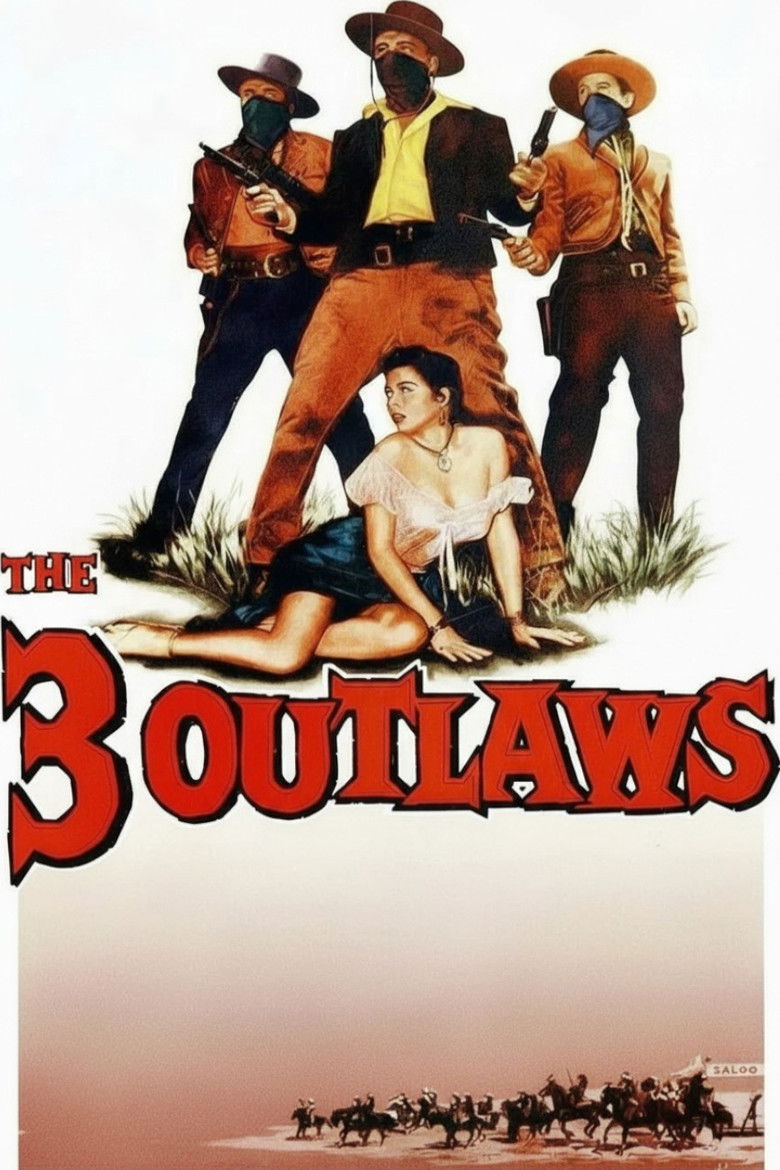
Ready to quit their life of crime, the three "most-wanted" outlaws in the West---Butch Cassidy, Sundance Kid and Bill Carver ---perform their final job by robbing and stealing a train and fleeing across the border. In a South American town they begin their life of respectability by purchasing a ranch and depositing their stolen fortune in the local bank, and throwing a big fiesta to entertain the locals, including Colonel Aguilar and his beautiful daughter Rita.
Overall Score
Limited
Category Breakdown
LGBTQ+ Representation
The film focuses on a traditional masculine trio of outlaws. There is no evidence of non-cisnormative identities or same-sex intimacy, adhering to the heteronormative constraints of 1950s Western cinema.
Gender Representation
Narrative agency is centered on male protagonists Butch Cassidy, the Sundance Kid, and Bill Carver. Rita serves as a traditional supporting character within a patriarchal framework rather than a plot driver.
Racial & Ethnic Diversity
The shift to a South American setting introduces a non-Anglo-Saxon landscape. While characters like Colonel Aguilar provide ethnic variety, the primary agency remains with the American protagonists.
Religious & Cultural Diversity
The story follows a standard arc of wealth acquisition and social integration. It utilizes a classic Western framework centered on individualistic pursuits and mid-century moral structures.
Disability Representation
There are no visible or invisible disabilities depicted or mentioned in the narrative.
Strengths
Areas for Improvement
AI Analysis
The film is a conventional mid-century Western that prioritizes traditional masculine agency. The plot follows three outlaws attempting to transition from crime to respectability in a South American setting. While the international setting provides more ethnic variety than a standard domestic Western, the narrative remains anchored in established genre tropes. The characters and social structures reflect the era's standard hierarchies. Ultimately, the film lacks the complexity or intentionality needed to disrupt historical social patterns, functioning instead as a straightforward genre piece.
1939
1937
1967
1957
1955
1931
1934
1964
1939

1949
1963
1930
No reviews yet. Be the first to share your thoughts on this movie!
Use the rating form above to leave a star rating and optional review.