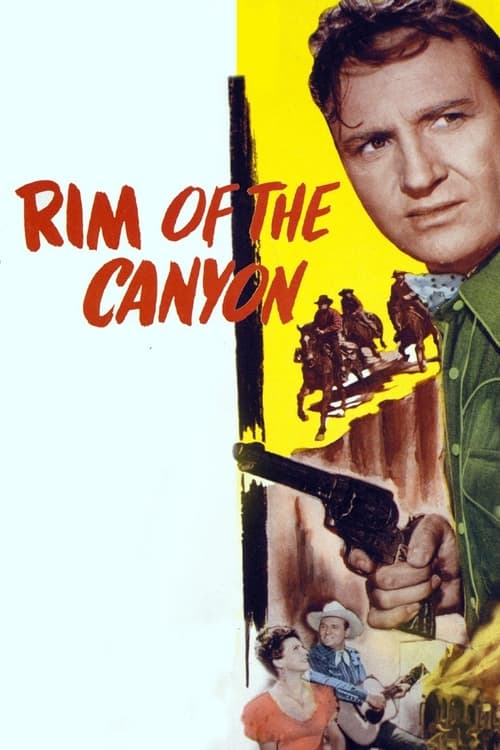
Rim of the Canyon
1949
No user ratings available yet
Representation score: 0.3 out of 10

Representation Score
Minimal
1949
ApprovedDirector
Philip Ford
Runtime
59 minutes
Average Rating
No ratings yetNew Showbiz Analysis
Outcasts of the Trail is a quintessential mid-century B-Western that prioritizes established social hierarchies and traditional archetypes. The film reinforces the era's standard demographic and narrative expectations without challenging them. The story focuses on the tension between law enforcement and outlaws, using a framework of patriarchal lineage and property rights. This structure leaves little room for diverse representation, as the plot is driven by male-centric action and conventional morality.
Category Breakdown
The film does not depict any non-binary gender identities or same-sex relationships. It centers on heterosexual relationships and paternal motivations.
Gender roles follow traditional Western hierarchies. Lavinia White is central to the plot but primarily serves as a catalyst for male-driven conflict and resolution.
The film adheres to the homogeneous demographic norms of 1940s studio Westerns. There is no evidence of racial blending or subversion of Anglo-centric casting conventions.
The narrative reinforces traditional Western values such as law and property. Morality is presented through a conventional lens of justice and the preservation of the nuclear family.
There are no depictions of physical or neurodivergent disabilities in the narrative.
Present on Screen
Limited or Absent
Official Synopsis
Legendary lawman Pat Garrett wins the Fourth of July buckboard race in a small Nevada town against the unscrupulous Fred Smith and pretty Lavinia White. Lavinia blames Garrett for sending her father Ivory White to jail for robbing 100,000 dollars. White, who has stashed the loot away someplace, is about to be released and plans to return the money to the express office for the sake of his children, Lavinia and Chad. Nasty Jim Judd forces Lavinia to help him rob the coach carrying Ivory and the money, counting on the fact that White will keep quiet for his daughter's sake.
1949
1969
1948

1939
1958

1957
1949
1954
No reviews yet. Be the first to share your thoughts on this movie!
Use the rating form above to leave a star rating and optional review.