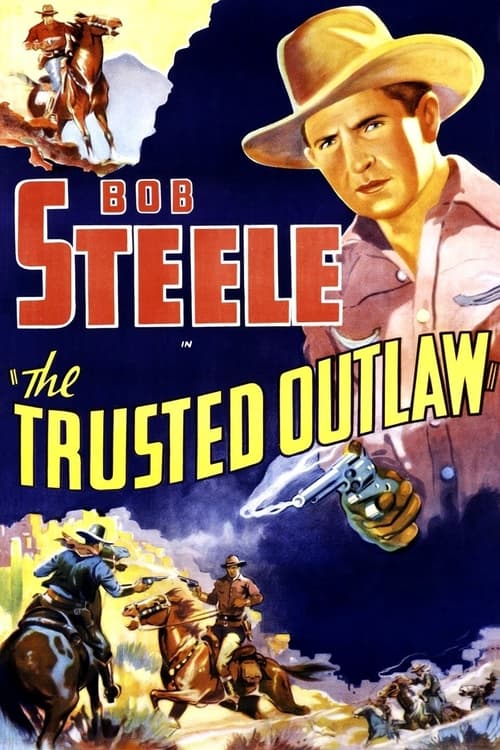
The Trusted Outlaw
1937
No user ratings available yet
Diversity score: 1.7 out of 10
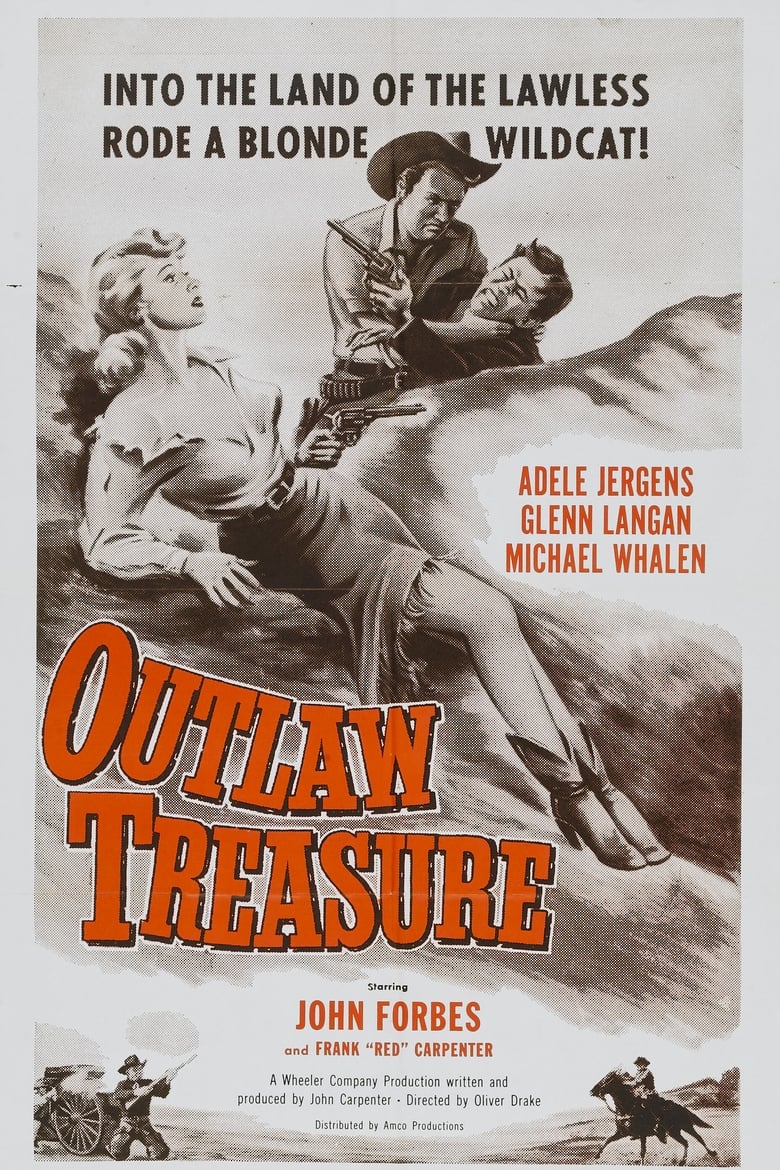
1955
ApprovedDirector
Oliver Drake
Runtime
65 minutes
Average Rating
No ratings yetSynopsis
When two outlaw gangs team up to rob gold shipments, the U.s. Army sends their ace-troubleshooter, Dan Parker, to the area. Sam Casey, the mystery-man behind the gangs, kills Parker's father, and this induces his sweetheart, Rita Starr, to side with the law-and-order faction. An attempt by Casey to kill Rita is foiled by Parker, which leads to a widespread gun-battle. Written by Les Adams
Overall Score
Limited
Category Breakdown
LGBTQ+ Representation
The film adheres to strict heteronormative structures. The emotional core relies entirely on the romantic connection between Dan Parker and Rita Starr.
Gender Representation
Rita Starr operates within traditional 1950s gender roles. Her agency is largely reactive, driven by the male-led conflict and her reaction to the death of Parker's father.
Racial & Ethnic Diversity
The narrative focuses on U.S. Army and outlaw gang dynamics. This framework reflects the homogeneous casting norms typical of mid-century Westerns.
Religious & Cultural Diversity
The plot reinforces traditional institutional values. It frames the U.S. Army as a stabilizing force of law and order against criminal factions.
Disability Representation
There is no mention of characters with visible or invisible disabilities within the narrative.
Strengths
Areas for Improvement
AI Analysis
Outlaw Treasure is a quintessential mid-century Western that prioritizes genre conventions over social subversion. The story centers on a linear conflict between military authority and criminal outlaws, following a predictable moral arc. The film relies on established hierarchies and traditional archetypes. Character motivations are driven by standard tropes of justice, revenge, and romantic interest, offering little room for intersectional perspectives or diverse identities. Ultimately, the production serves as a reflection of its era's social norms. It emphasizes institutional stability and conventional gender roles rather than challenging the status quo.
1937
1951
1950
1937
1950
1937
1956
1956
1962

1948
1946
1932
No reviews yet. Be the first to share your thoughts on this movie!
Use the rating form above to leave a star rating and optional review.