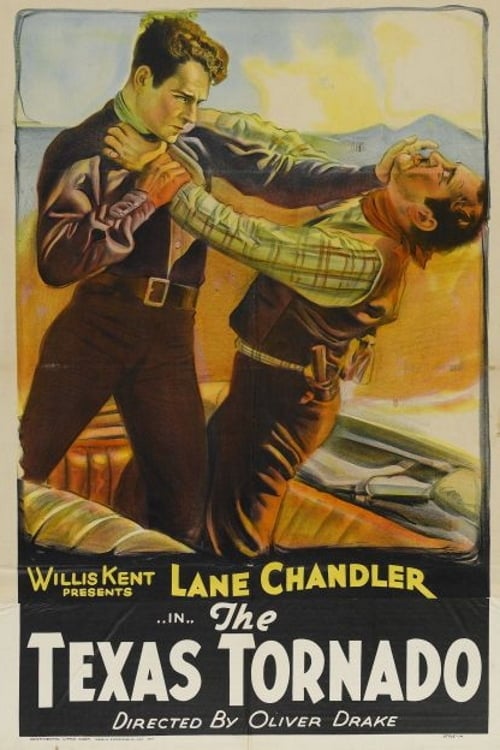
Texas Tornado
1932
No user ratings available yet
Diversity score: 2.0 out of 10

1957
Director
Oliver Drake
Runtime
71 minutes
Average Rating
No ratings yetSynopsis
Billy the Kid fakes his own death at the hands of Pat Garret, but is forced to come out of hiding to stop a ruthless cattle baron from destroying a small frontier community.
Overall Score
Limited
Category Breakdown
LGBTQ+ Representation
The film follows conventional heteronormative structures typical of 1957. There is no evidence of non-cisnormative identities or same-sex intimacy within the narrative.
Gender Representation
While Marie Windsor and Jean Parker appear in the cast, the plot centers on male archetypes. Female characters occupy secondary roles within a male-driven story about frontier justice.
Racial & Ethnic Diversity
The film reflects the era's tendency toward homogeneous white casting. The narrative focuses on Anglo-American perspectives without indicating significant inclusion of characters of color.
Religious & Cultural Diversity
The story engages with traditional institutions like religion through the role of the Parson. It relies on classical moral frameworks rather than critiquing Western institutions.
Disability Representation
There is no documented evidence of characters with disabilities serving as central narrative drivers or plot devices.
Strengths
Areas for Improvement
AI Analysis
The film is a standard mid-century Western that adheres strictly to the established social hierarchies of the 1950s studio system. The narrative architecture prioritizes traditional male archetypes, such as the outlaw and the preacher, to drive the conflict. Representation is limited by the genre's historical tropes, focusing on a struggle for territorial control that centers on white, heteronormative perspectives. It functions as a conventional genre piece rather than a work seeking to disrupt historical power dynamics. Ultimately, the film reinforces the status quo of its era. It lacks the intersectional depth or intentionality required to provide nuanced representation for marginalized groups.
1932
1959
1945
1940
1958
1935
1945
1934
1942
1942
1949
1940
No reviews yet. Be the first to share your thoughts on this movie!
Use the rating form above to leave a star rating and optional review.