Branded
1950
No user ratings available yet
Representation score: 0.8 out of 10
Representation Score
Fair
1967
RDirector
Franco Rossetti
Runtime
103 minutes
Average Rating
No ratings yetNew Showbiz Analysis
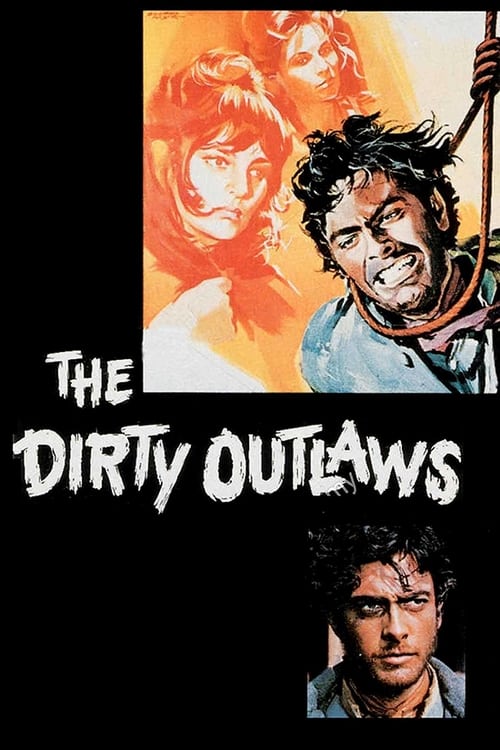
The Dirty Outlaws operates strictly within the established structural constraints of the 1960s Western genre. The narrative prioritizes traditional archetypes such as deception and outlawry over any meaningful exploration of diversity. While the film includes a character with a visual impairment, this role is primarily functional to the plot's mechanics of deception rather than offering a nuanced look at lived experience. The focus remains on male-driven conflict and conventional social hierarchies. Ultimately, the film lacks documentation of diverse casting or the disruption of traditional gender and racial norms common to the genre during this era.
Category Breakdown
The film does not include any characters with LGBTQ+ identities or themes related to same-sex relationships. The story revolves around traditional outlaw and family dynamics.
The narrative centers on male-driven conflict and traditional family structures. Women do not occupy roles that challenge the gender stereotypes typical of mid-century cinema.
Given its 1967 setting, the film likely features predominantly white actors. There is no mention of non-white characters.
The plot adheres to classic Western clichés of moral ambiguity and lawlessness. It does not critique Western institutions or capitalism.
A blind man serves as a central plot device for the protagonist's deception. His role seems functional to the plot rather than an exploration of his experiences.
Present on Screen
Limited or Absent
Official Synopsis
An outlaw masquerades as a blind man's son in order to trick him into a cache of Gold. After a while he grows attached to the family and all goes well until the outlaws gang comes through town...
1950
1969

1968
1971
1952
1958
1934
1957
No reviews yet. Be the first to share your thoughts on this movie!
Use the rating form above to leave a star rating and optional review.