
My Mother's Courage
1995
No user ratings available yet
Diversity score: 5.3 out of 10

1982
Director
Michael Verhoeven
Runtime
123 minutes
Average Rating
No ratings yetSynopsis
During the Second World War, a small group of students at Munich University begin to question the decisions and sanity of Germany's Nazi government. The students form a resistance cell which they name the "White Rose" after a newsletter that is secretly distributed to the student body. At first small in numbers and fearful of discovery, the White Rose begins to gain massive support after a Nazi Gauleiter nearly incites a student riot after a provokative speech. At this point, the matter is taken over by the German Gestapo, who pledge to hunt down and destroy the members of the White Rose.
Overall Score
Fair
Category Breakdown
LGBTQ+ Representation
The film contains no LGBTQ+ characters or themes. The narrative focuses exclusively on the sociopolitical resistance and interpersonal violence within the village.
Gender Representation
The story centers on a female protagonist's trauma and social isolation. It critiques patriarchal structures by showing how they fail to protect women or provide justice.
Racial & Ethnic Diversity
The cast is intentionally homogenous to reflect the historical reality of a rural German village. There is no diverse ethnic representation used to challenge the period's demographics.
Religious & Cultural Diversity
The film offers a deep critique of Western institutions and state-sanctioned truths. It portrays communal silence and the preservation of social status as forms of moral decay.
Disability Representation
There are no significant depictions of visible or invisible disabilities. No disability-driven character arcs are present in the narrative.
Strengths
Areas for Improvement
AI Analysis
The White Rose is a historical drama that prioritizes thematic subversion over demographic variety. While the cast is largely homogenous due to its Third Reich setting, the film's narrative architecture is progressive in its intent. It aggressively challenges traditional power dynamics by focusing on the failure of masculine authority and state institutions. The film uses the female experience to expose the inadequacy of the era's social contracts. Ultimately, the film's strength lies in its intellectual deconstruction of complicity rather than its intersectional representation. It trades demographic breadth for a sophisticated critique of nationalistic myths and institutionalized authority.
1995
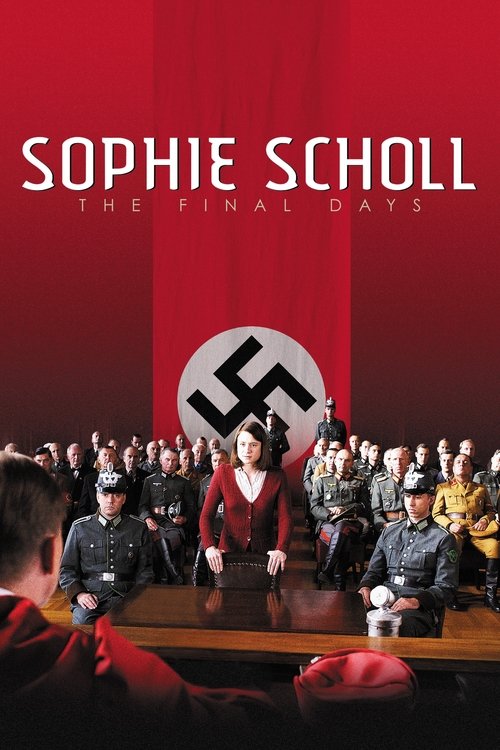
2005
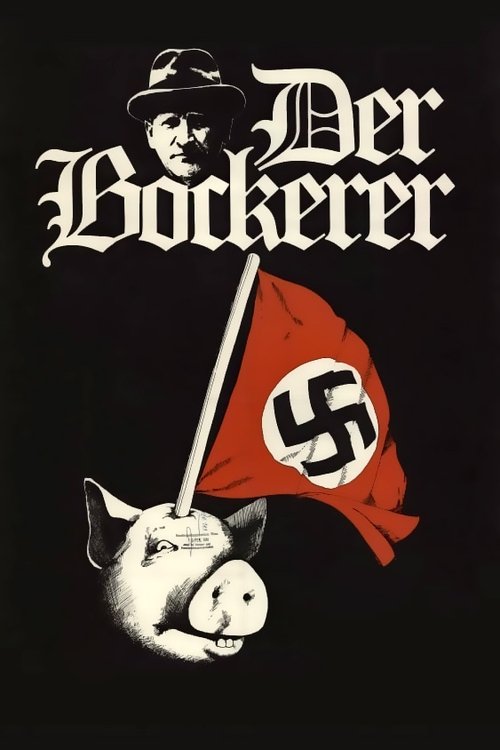
1981
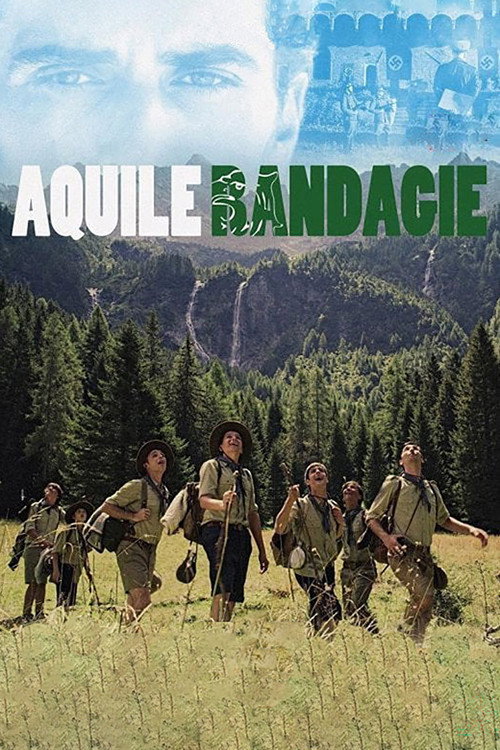
2019
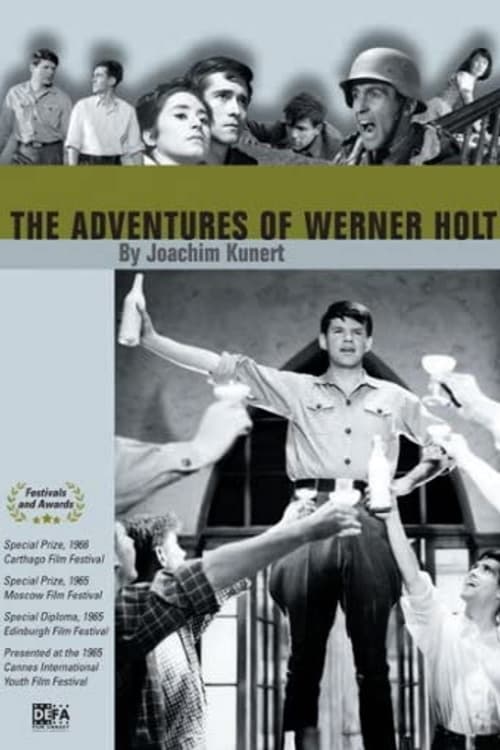
1965

2012
2018

2019
2004

2022
1997

2016
No reviews yet. Be the first to share your thoughts on this movie!
Use the rating form above to leave a star rating and optional review.