
The Auschwitz Report
2021
No user ratings available yet
Representation score: 5.3 out of 10
Representation Score
Good
1995
Director
Michael Verhoeven
Runtime
93 minutes
Average Rating
No ratings yetNew Showbiz Analysis
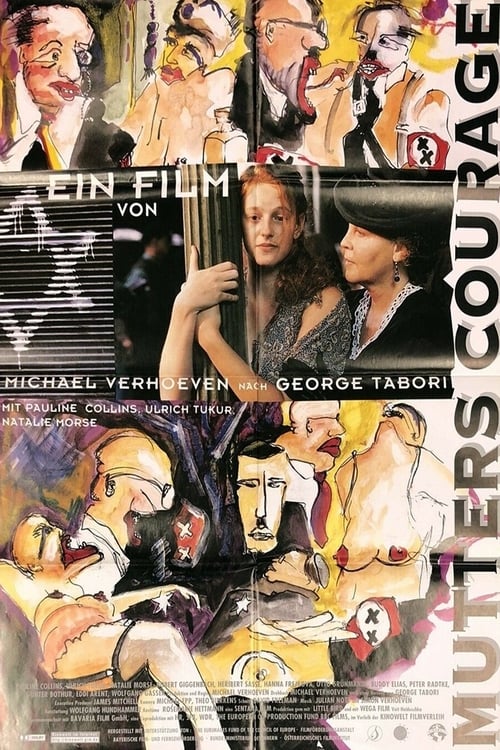
My Mother's Courage succeeds as a piece of historical revisionism that challenges traditional hero clichés. By focusing on maternal resilience, it effectively dismantles the masculine-led protector archetypes common in wartime dramas. The film excels in its examination of state power and institutional morality. It portrays Jewish characters as active participants in their own survival, moving them from passive victims to active agents under systemic duress. However, the film lacks breadth in other areas. It does not include any LGBTQ+ representation and does not utilize disability or neurodivergence as a vehicle for character development.
Category Breakdown
The film does not include any LGBTQ+ characters or storylines. It focuses solely on the survival strategies of a specific historical group during the Holocaust.
The film challenges traditional wartime archetypes by emphasizing maternal resilience. Female characters play a key role in driving the story rather than relying on masculine protector roles.
The story highlights the vulnerability of the Jewish community against an oppressive state. While it centers on Jewish resilience, the cast's scope is limited to the immediate deportation conflict.
The film provides a critical look at institutionalized power and state-sponsored violence. It emphasizes the lived experiences of underrepresented individuals over official state histories.
There is no explicit focus on neurodivergence or physical disability. While the era's trauma suggests psychological distress, disability is not a primary factor in character development.
Present on Screen
Limited or Absent
Official Synopsis
The deportation of 4000 Jews from Budapest to Auschwitz in July 1944, as told by George Tabori, and how the narrator’s mother escaped it, owing to coincidence, courage and some help from where you’d least expect it.
2021

1959

1993

2024
2020

2009

2016

2019
No reviews yet. Be the first to share your thoughts on this movie!
Use the rating form above to leave a star rating and optional review.