Milada
2017
No user ratings available yet
Representation score: 5.5 out of 10
Representation Score
Good
2016
Director
Andrzej Wajda
Runtime
98 minutes
Average Rating
No ratings yetNew Showbiz Analysis
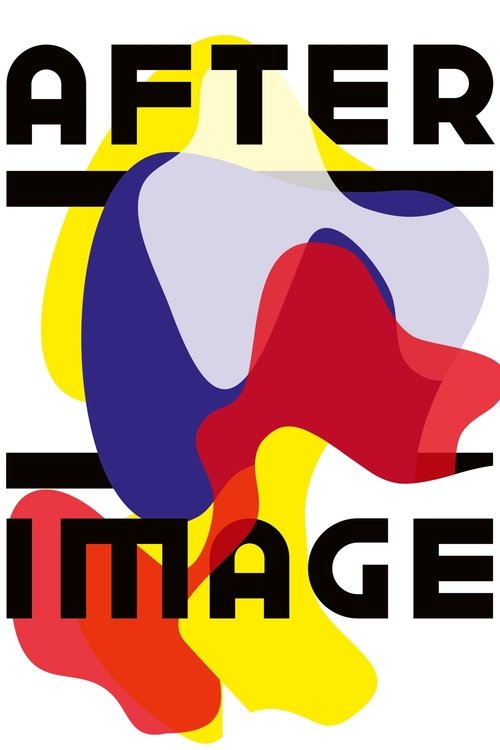
Afterimage is a sophisticated study of intellectual resistance. It avoids the typical clichés of historical dramas by centering on a defeated artist rather than a triumphant political figure. The film uses the protagonist's struggle to interrogate how monolithic institutions attempt to homogenize culture. While the film is demographically narrow due to its specific historical setting in Poland, its narrative structure is progressive. It effectively explores the tension between individual control and systemic political pressure. Ultimately, the film's strength lies in its interrogation of power and its portrayal of the resilience required to maintain personal truth against an oppressive state.
Category Breakdown
The film does not explicitly depict LGBTQ+ identities, but its central theme of resisting state-mandated social structures offers a subtextual celebration of non-conforming existence.
While the protagonist is male, the narrative highlights the significant role of female students who assist in his resistance. It challenges traditional archetypes by focusing on intellectual vulnerability.
The story reflects the specific demographic realities of mid-century Poland. It focuses on a European cultural struggle rather than a diverse global cast.
The film excels at critiquing totalitarianism and corrupt institutions. It prioritizes individual truth and autonomy over the state-sanctioned morality imposed by the Party.
The narrative does not center on a specific disability. Instead, it uses the protagonist's systematic erasure as a metaphor for the social invisibility of underrepresented individuals.
Present on Screen
Limited or Absent
Official Synopsis
In 1945, as Stalin sets his hands over Poland, famous painter Wladislaw Strzeminski refuses to compromise on his art with the doctrines of social realism. Persecuted, expelled from his chair at the University, he's eventually erased from the museums' walls. With the help of some of his students, he starts fighting against the Party and becomes the symbol of an artistic resistance against intellectual tyranny.
2017
1957
2016
2014
1981
2018
2018
2015
No reviews yet. Be the first to share your thoughts on this movie!
Use the rating form above to leave a star rating and optional review.