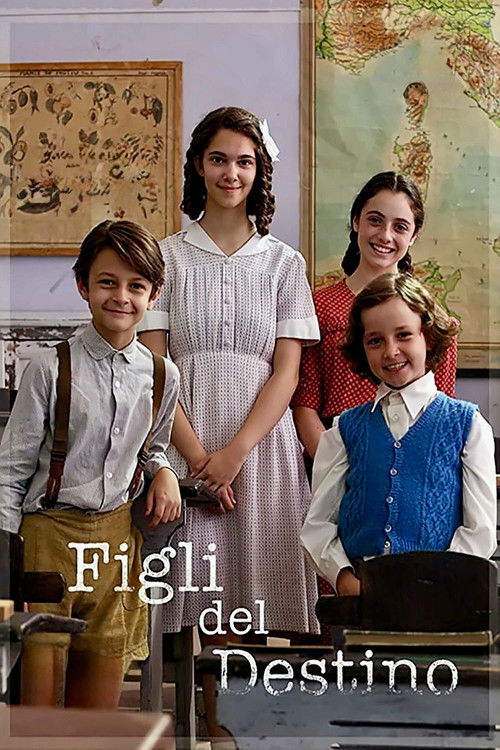
Forbidden School
2019
No user ratings available yet
Representation score: 5.9 out of 10
Representation Score
Limited
2019
Director
Gianni Aureli
Runtime
107 minutes
Average Rating
No ratings yetNew Showbiz Analysis
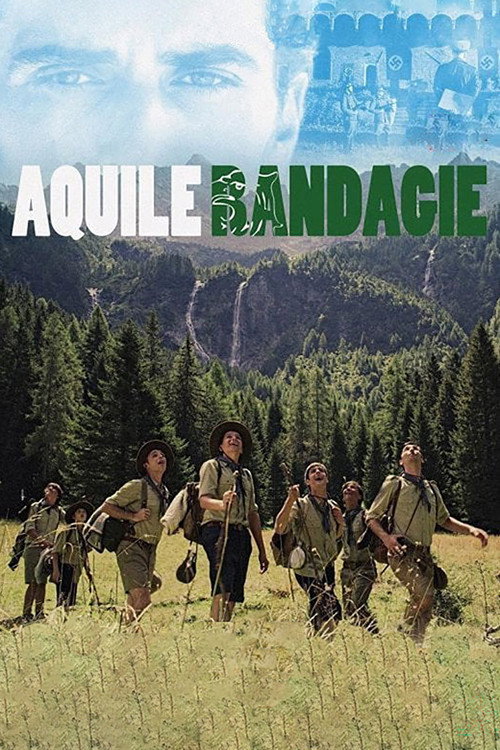
Fight Like Angels critiques systemic oppression by highlighting a group of scouts who defy Mussolini's orders. The film portrays defiance as a means to reclaim ability to act from an oppressive state. The narrative's strength lies in its depiction of moral relativism. It positions the scouts' outsider status as a source of ethical empowerment rather than a weakness. While the film lacks specific data on LGBTQ+ or disability representation, its core theme deconstructs monolithic political structures, offering a progressive stance through its focus on resistance.
Category Breakdown
The film does not include any characters with non-traditional gender identities or same-sex relationships. There is no dialogue or plot development related to LGBTQ+ themes.
The story challenges traditional gender roles by focusing on young people involved in political defiance. The youths resist a fascist state, suggesting a shift towards collective action and empowerment.
Set in mid-20th century Italy, the film likely reflects the demographics of that time. However, the emphasis on the Resistance movement hints at the possibility for nuanced portrayals of identity within the struggle.
The film presents a progressive view of culture by depicting the fascist regime as corrupt. It highlights individual morality and grassroots organization over state-mandated patriotism or religious conformity.
There is no indication in the narrative of characters with visible or invisible disabilities.
Present on Screen
Limited or Absent
Official Synopsis
A group of scouts decides to resist Benito Mussolini's order to close all associations not affiliated with the fascist regime. The young people continue to meet secretly in Val Codera, eventually supporting the Resistance.
2019

2009
2004
1959
2022

2020
2019

2008
No reviews yet. Be the first to share your thoughts on this movie!
Use the rating form above to leave a star rating and optional review.