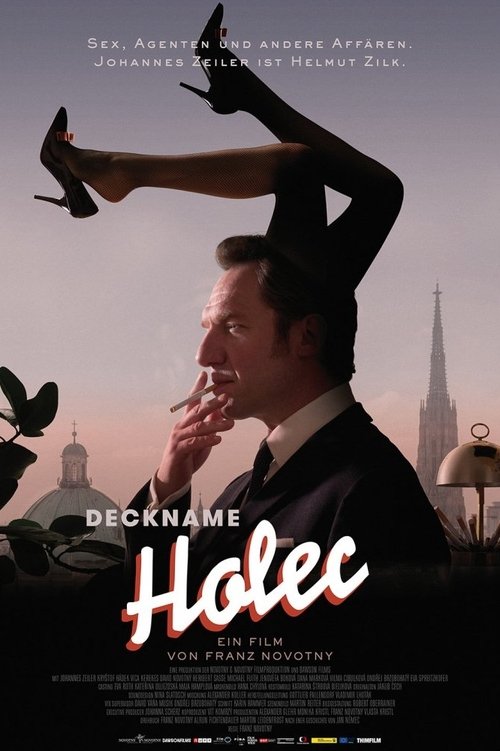
Deckname Holec
2016
No user ratings available yet
Representation score: 4.9 out of 10
Representation Score
Good
2018
PGDirector
Lars Kraume
Runtime
112 minutes
Average Rating
No ratings yetNew Showbiz Analysis
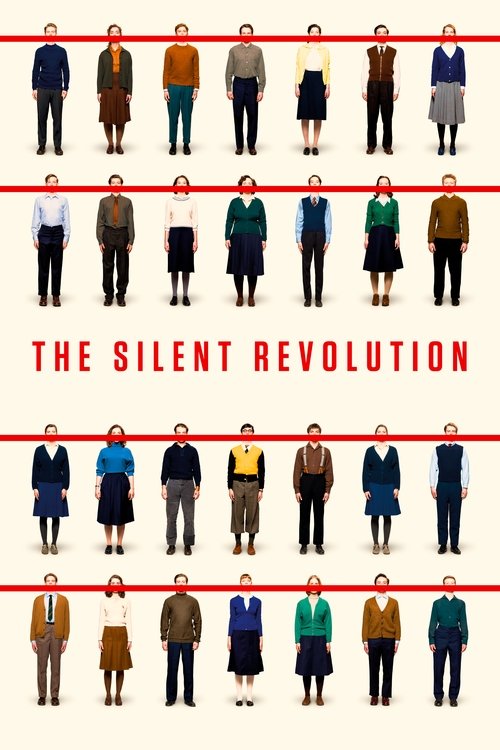
The Silent Revolution is a sophisticated historical drama that prioritizes systemic critique over demographic breadth. It succeeds by challenging traditional political moralities and portraying the transition from socialism to capitalism with nuance. However, the film's focus on the specific socio-political confines of the GDR results in a largely homogeneous cast. This limits the representation of LGBTQ+, racial, ethnic, and disability identities, which remain secondary to the central political struggle. Ultimately, the film's strength lies in its intellectual depth and cultural subversion, which compensates for its lack of diverse character archetypes.
Category Breakdown
The film focuses on political and ideological tensions rather than identity. There are no explicit depictions of non-straight relationships or queer-coded subtext to drive the plot.
Female characters are shown as active participants in the ideological struggle. They have significant intellectual weight and play a significant role in driving the story, avoiding traditional domestic roles or hierarchies.
The cast is largely homogeneous, reflecting the demographic realities of 1989 East Germany. The film lacks significant racial or ethnic diversity, focusing instead on internal class divisions.
The film excels in deconstructing Western institutional stability. It portrays the transition to capitalism as a complex, disruptive force rather than an inherent good.
There is minimal focus on visible or invisible disabilities. While the psychological toll of a surveillance state is present, disability is not a central driver of character identity.
Present on Screen
Limited or Absent
Official Synopsis
In 1956 Stalinstadt, East Germany, during the Hungarian uprising against Soviets is taking place, local teenagers perform a seemingly harmless act that causes unexpected consequences.
2016

1985
2014
2020
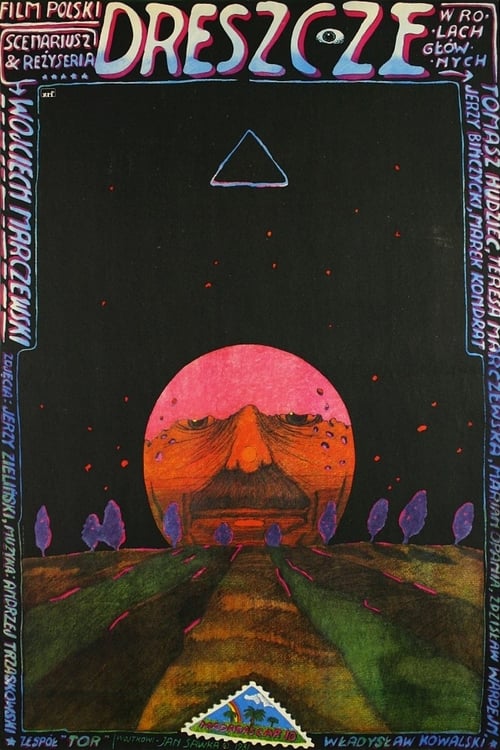
1981

2020

2021

2022
No reviews yet. Be the first to share your thoughts on this movie!
Use the rating form above to leave a star rating and optional review.