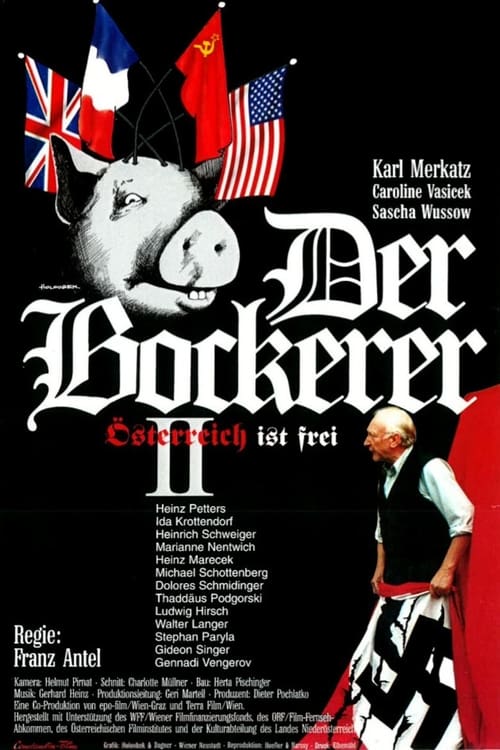
Der Bockerer II - Österreich ist frei
1996
No user ratings available yet
Representation score: 2.9 out of 10
Representation Score
Minimal
1981
Director
Franz Antel
Runtime
104 minutes
Average Rating
No ratings yetNew Showbiz Analysis
The Butcher functions as a traditional historical drama centered on individual survival during a period of intense political upheaval. While it offers a critique of totalitarianism and extreme nationalism, the film adheres to the social constraints of its era. The narrative lacks complexity and fails to challenge traditional identity hierarchies. It relies on the demographic realities of 1940s Austria without pursuing a diverse casting approach. Ultimately, the film is a period-specific recount that prioritizes the political journey of a singular male protagonist over a broad social tapestry.
Category Breakdown
The film does not include any LGBTQ+ characters or non-cisgender identities. The story focuses solely on the protagonist's survival during the Nazi occupation.
The story centers around the male perspective of a Viennese butcher, reinforcing traditional 1940s patriarchal structures without challenging them.
Set in Nazi-occupied Vienna, the cast reflects the homogeneous demographics of the time. There is no evidence of diverse ethnic representation.
The film critiques totalitarianism and the loss of Austrian sovereignty. It examines the tension between personal morality and state-imposed ideology.
There is no evidence of characters with visible or invisible disabilities. Such identities are not integrated into the narrative.
Present on Screen
Limited or Absent
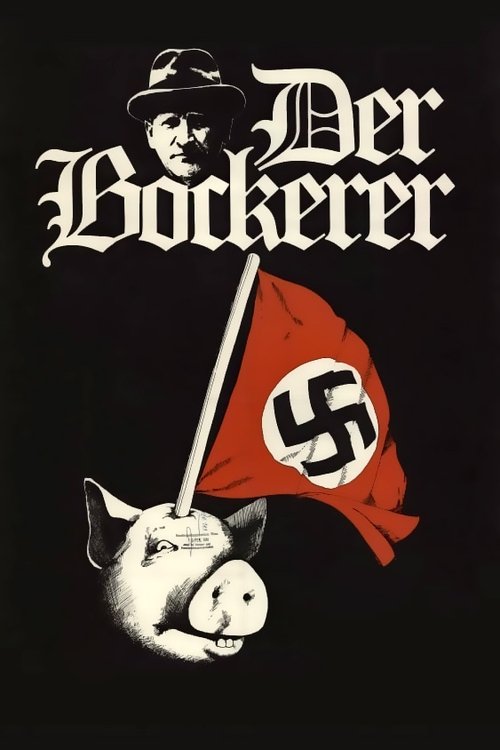
Official Synopsis
A politically naive Viennese butcher manages to survive the Nazi occupation of Austria and the second world war.
1996

1975

1989
1969
1940
1959
1995

2019
No reviews yet. Be the first to share your thoughts on this movie!
Use the rating form above to leave a star rating and optional review.