
Here Below
2012
No user ratings available yet
Representation score: 4.2 out of 10
Representation Score
Fair
1997
Director
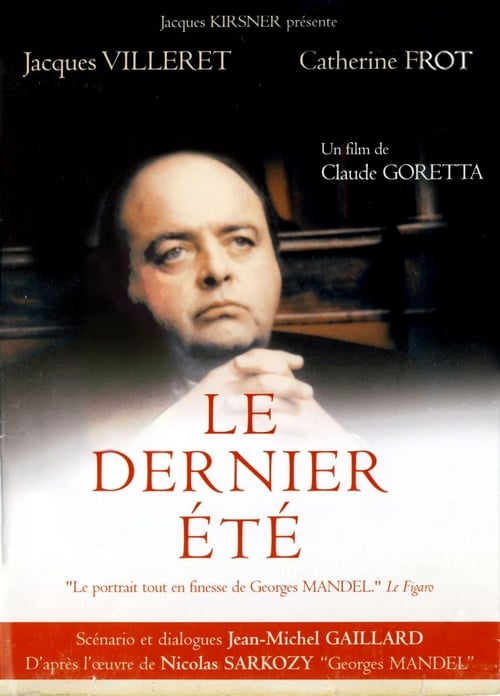
Claude Goretta
Runtime
81 minutes
Average Rating
No ratings yetNew Showbiz Analysis
Claude Goretta’s historical drama emphasizes biographical realism and psychological complexity over current social issues. The film highlights the political integrity of Georges Mandel during the rise of the Vichy regime, focusing on the personal sacrifices of resistance. While the film provides a sophisticated look at human connection and the fragility of democratic institutions, it does not engage with the overlapping aspects of identity. It serves as a traditional study of historical actions rather than a platform for modern demographic representation.
Category Breakdown
The film follows the social norms of its historical period. It does not include any explicit LGBTQ+ stories or challenge the idea that everyone is straight.
The story looks at emotional connections and changing relationships between men and women. It avoids strict male dominance by highlighting character vulnerability and emotional depth.
The casting reflects the specific demographics of mid-20th-century European politics. The film focuses on the ethnic identities relevant to the French context.
The narrative centers on defending democratic values against the Vichy regime. It portrays the conflict through individual conscience and political legitimacy.
There is no information about characters with visible or invisible disabilities in the film.
Present on Screen
Limited or Absent
Official Synopsis
The story of Georges Mandel, an anti-Nazi French parliamentarian who refused to abdicate to the Vichy regime.
2012

1975
2007
2009
2007
2020

2022

2019
No reviews yet. Be the first to share your thoughts on this movie!
Use the rating form above to leave a star rating and optional review.