
January
2022
No user ratings available yet
Representation score: 4.5 out of 10
Representation Score
Fair
2019
Director
Šarūnas Bartas
Runtime
128 minutes
Average Rating
No ratings yetNew Showbiz Analysis
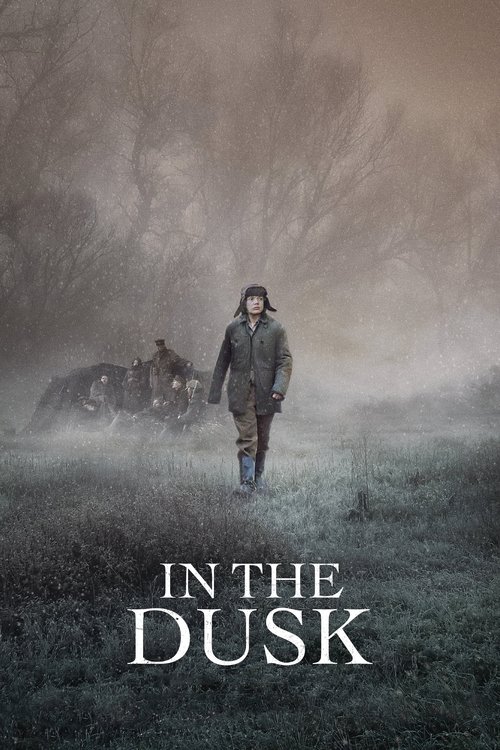
In the Dusk subverts traditional historical drama clichés by focusing on the loss of innocence rather than a clear-cut moral victory. It centers a female protagonist within a landscape of geopolitical upheaval, challenging conventional expectations of leadership in historical cinema. The film's strength lies in its deconstruction of the heroic war narrative, opting instead for a study of systemic corruption and moral ambiguity. While it lacks explicit representation in certain categories, its thematic depth provides a nuanced look at identity under occupation. Ultimately, the film succeeds as a character-driven study of how systemic pressures shape individual morality during times of war.
Category Breakdown
The film explores intense emotional bonds but does not explicitly depict specific LGBTQ+ narratives or non-cisgender identities.
The film features Untė, a 19-year-old woman, as the central protagonist in a male-dominated partisan movement. Her role challenges traditional gender hierarchies by placing her at the heart of violent resistance.
Set in 1948 Lithuania, the cast appears ethnically homogeneous. The narrative focuses on the local population's resistance against the Soviet imperial power.
The story critiques political institutions by framing the partisan movement as resistance against an occupying regime. It explores moral relativism and situational ethics.
There is no information regarding the portrayal of physical or neurodivergent disabilities within the narrative.
Present on Screen
Limited or Absent
Official Synopsis
Lithuania, 1948. War is over, but the country is left in ruins. 19-year-old Untė is a member of the Partisan movement resisting Soviet occupation. They do not fight on equal terms, but this desperate struggle will determine the future of the whole population. At the age of discovery of life, Untė discovers violence and treachery. The lines are blurred between the burning passion of his youth and the cause for which he is fighting. He will invest himself wholeheartedly, even if it means losing his innocence…
2022
2014
2022
2019
2016
2018
2017
1995
No reviews yet. Be the first to share your thoughts on this movie!
Use the rating form above to leave a star rating and optional review.