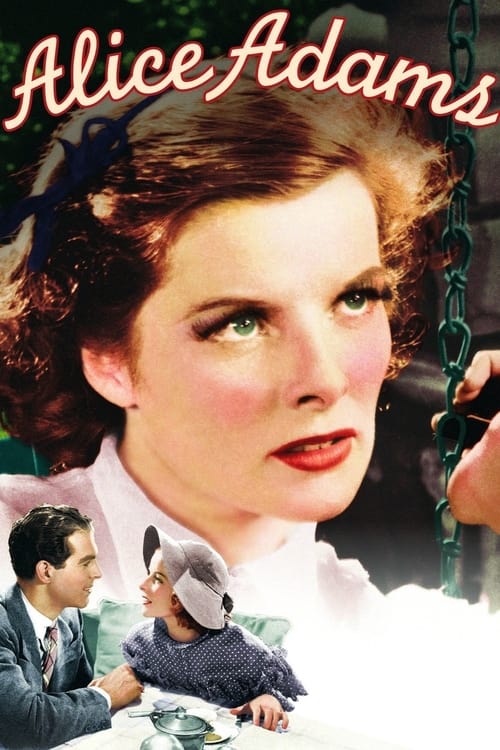
Alice Adams
1935
No user ratings available yet
Diversity score: 2.2 out of 10

1939
NRDirector
John Cromwell
Runtime
92 minutes
Average Rating
No ratings yetSynopsis
A couple struggle to find happiness after a whirlwind courtship.
Overall Score
Limited
Category Breakdown
LGBTQ+ Representation
The film adheres strictly to the heteronormative standards of the era. There is no evidence of non-cisnormative gender identities or same-sex romantic dynamics.
Gender Representation
The female protagonist subverts typical 'damsel' tropes by acting as a dedicated social worker. Her professional agency and intellect drive the plot, though the resolution remains tied to traditional romantic structures.
Racial & Ethnic Diversity
The cast is predominantly homogeneous, reflecting the systemic constraints of 1939 Hollywood. The film lacks meaningful racial or ethnic diversity, centering a white, Anglo-Saxon narrative.
Religious & Cultural Diversity
The story engages in a mild critique of class disparity by contrasting service-oriented lifestyles with idle wealth. However, it maintains a conventional moral framework and prioritizes social stability.
Disability Representation
There are no discernible depictions of physical or neurodivergent disabilities. Characters are defined by socioeconomic status rather than physical or mental health conditions.
Strengths
Areas for Improvement
AI Analysis
Made for Each Other functions as a quintessential studio-era melodrama. It finds its strength in character agency, specifically through a female lead who possesses professional purpose and civic duty. This provides a refreshing departure from the passive female archetypes common in the late 1930s. However, the film is deeply rooted in the traditionalist landscape of its time. It lacks any engagement with non-heteronormative identities or multi-ethnic narratives, resulting in a narrow social scope. The cast remains largely homogeneous, mirroring the era's systemic lack of racial diversity. While the film touches on class tension and the ethics of privilege, it avoids radical systemic critique. It ultimately settles into a conventional framework that prioritizes established social and romantic hierarchies.
1935
1932
1942
1952
1931
1929
1933

1951
1940

1933

1933

1927
No reviews yet. Be the first to share your thoughts on this movie!
Use the rating form above to leave a star rating and optional review.