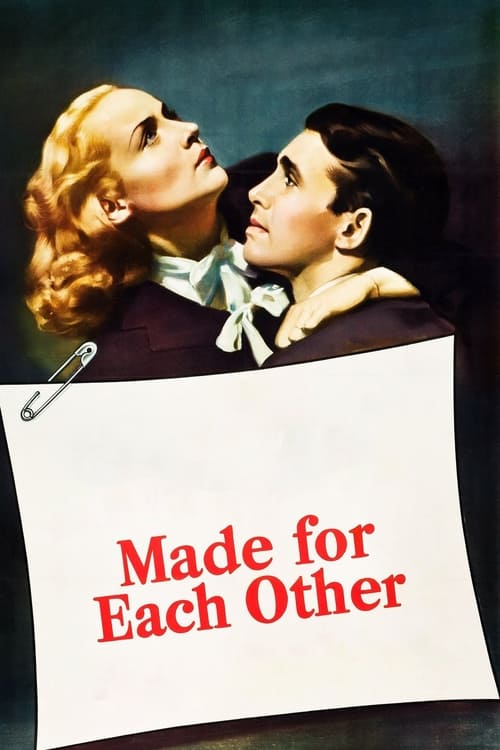
Made for Each Other
1939
No user ratings available yet
Representation score: 2.1 out of 10
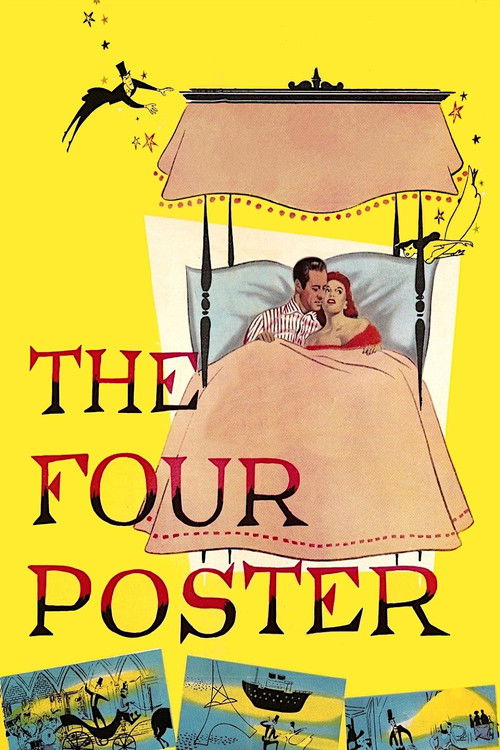
Representation Score
Minimal
1952
ApprovedDirector
Irving Reis
Runtime
103 minutes
Average Rating
No ratings yetNew Showbiz Analysis
The film is a sophisticated psychological character study that uses a non-linear structure to explore the evolution of a lifelong marriage. Its strength lies in its nuanced portrayal of domestic life and the complex emotional labor of its female protagonist. However, the work is a closed loop of mid-century Western values. It lacks diversity in racial, ethnic, and LGBTQ+ identities. Ultimately, the film prioritizes intimate, interpersonal drama over broader social or systemic engagement, reflecting the demographic homogeneity of 1950s Hollywood.
Category Breakdown
The film focuses solely on a heterosexual marriage and does not include any same-sex relationships or non-cisgender identities.
Abby is shown with significant emotional depth and ability to act, going beyond simple stereotypes. The film explores the tension between domestic life and personal desires through realistic and relatable characters.
The cast and setting are exclusively white and upper-middle class. The narrative is set within a localized, Anglo-centric social context without any ethnic diversity.
The story examines Western domesticity and the nuclear family. It emphasizes the socioeconomic stability of its time without critiquing Western institutions.
There are no prominent depictions of physical, sensory, or neurodivergent conditions. The focus remains strictly on the emotional journey of the central couple.
Present on Screen
Limited or Absent
Official Synopsis
In turn-of-the-century New York, the marriage of John and Abby Edwards unfolds over the years.
1939
1942
1938
1970
1932
1944

1927
1934
No reviews yet. Be the first to share your thoughts on this movie!
Use the rating form above to leave a star rating and optional review.