
Man-Proof
1938
No user ratings available yet
Representation score: 1.2 out of 10
Representation Score
Limited
1938
PassedDirector
Ákos Ráthonyi
Runtime
76 minutes
Average Rating
No ratings yetNew Showbiz Analysis
I Defended a Woman operates within the conventional social and moral frameworks of the late 1930s. The story prioritizes maintaining traditional family values and preserving social reputation over individual pursuits. The narrative is driven by a male protagonist, Antal Pager, whose actions are constrained by legal issues and social perceptions. While the female lead offers a slight deviation from typical feminine roles, the film ultimately reinforces established institutional structures. Overall, the film reflects the homogeneous demographic and social standards of its time, offering little in the way of challenging systemic narratives.
Category Breakdown
The film focuses on a heterosexual relationship and legal divorce proceedings. It does not include any non-straight identities or critiques of the assumption that everyone is straight.
The story centers on a male protagonist dealing with social perceptions and family duties. While Maria Lazar is described as a 'strange' woman, the tension arises from traditional societal pressures.
Reflecting the demographics of 1938 Hungary, the film lacks a multi-ethnic cast. There is no indication of casting to challenge historical norms.
The story upholds traditional Western social institutions and communal morality. The protagonist faces pressure from his family to maintain social standing through conventional means.
The narrative does not mention any characters with visible or invisible disabilities.
Present on Screen
Limited or Absent
Official Synopsis
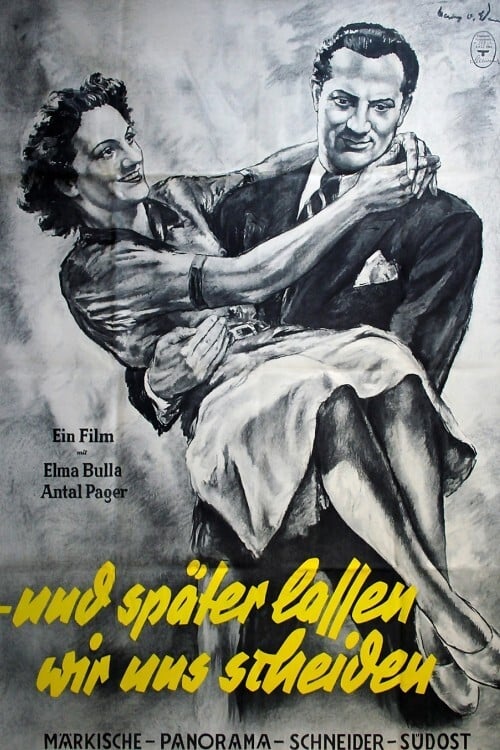
Antal Pager defends a strange woman, Maria Lazar, and the next thing he knows he is named a co-respondent in a divorce case. Noboy believes his story that Maria is a stranger he has never seen before and his family press him to marry the divorcée as the right thing to do. He does so with the understanding that they will be divorced as soon as possible. But the best-laid plans sometimes change.
1938

1942

1933

1937

1935

1949

1939

1934
No reviews yet. Be the first to share your thoughts on this movie!
Use the rating form above to leave a star rating and optional review.