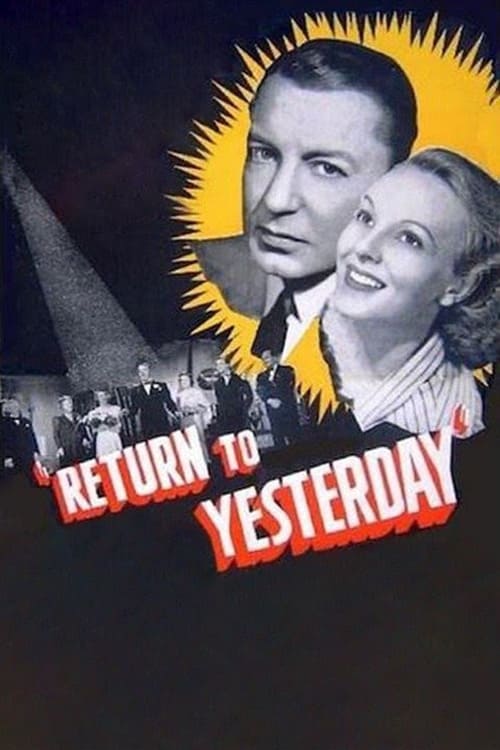
Return to Yesterday
1940
No user ratings available yet
Representation score: 1.4 out of 10
Representation Score
Minimal
1955
Not RatedDirector
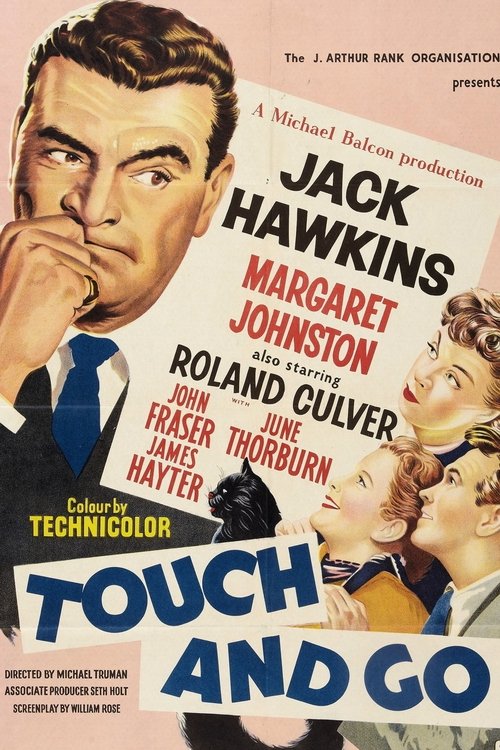
Michael Truman
Runtime
85 minutes
Average Rating
No ratings yetNew Showbiz Analysis
Touch and Go is a period-typical domestic comedy set in 1955 Britain. The narrative focuses on traditional masculine roles, with the male character making unilateral decisions that shape the family's journey. The film explores interpersonal conflicts and the challenges of navigating bureaucratic institutions. It does not challenge the social hierarchies of its time, emphasizing the stability of the traditional family unit. Overall, the film reflects a traditional cinematic framework without the diversity needed to address broader societal issues.
Category Breakdown
The film strictly follows the social norms of 1955, where everyone is assumed to be straight and cisgender. There is no depiction of non-traditional gender identities or same-sex relationships.
The story emphasizes the traditional roles of the 1950s, where the male character drives the plot while the female characters react to his decisions.
The film focuses on British emigration to Australia, but it does not include diverse ethnic backgrounds. The cast appears homogeneous and centered on white Anglo-Saxon perspectives.
The film examines the tension between personal ambition and established institutions. It portrays a traditional view of the family unit without moral relativism.
There is no visible representation of characters with physical or neurodivergent disabilities.
Present on Screen
Limited or Absent
Official Synopsis
When Jim Fletcher is told by his firm that his new furniture designs are not in keeping with the firm's image he threatens to resign, and decides to uproot his family and emigrate to Australia - but his problems are only just beginning.
1940
1942
1966

1963

1960

1970

1932
1958
No reviews yet. Be the first to share your thoughts on this movie!
Use the rating form above to leave a star rating and optional review.