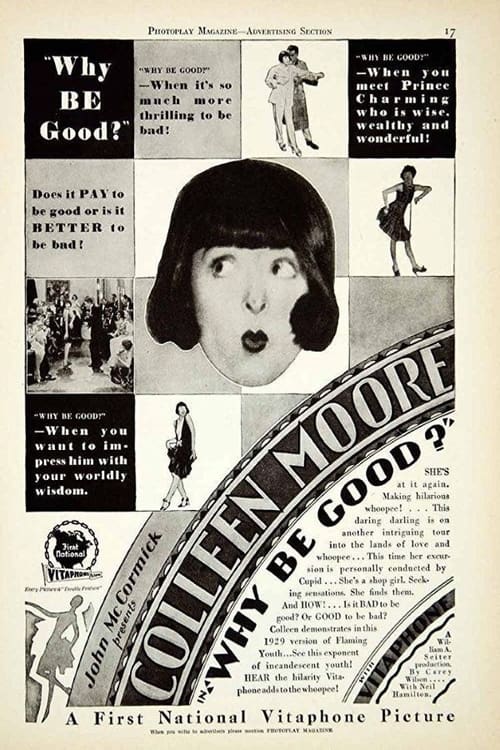
Why Be Good?
1929
No user ratings available yet
Representation score: 1.2 out of 10
Representation Score
Minimal
1920
NRDirector
Cecil B. DeMille
Runtime
90 minutes
Average Rating
No ratings yetNew Showbiz Analysis
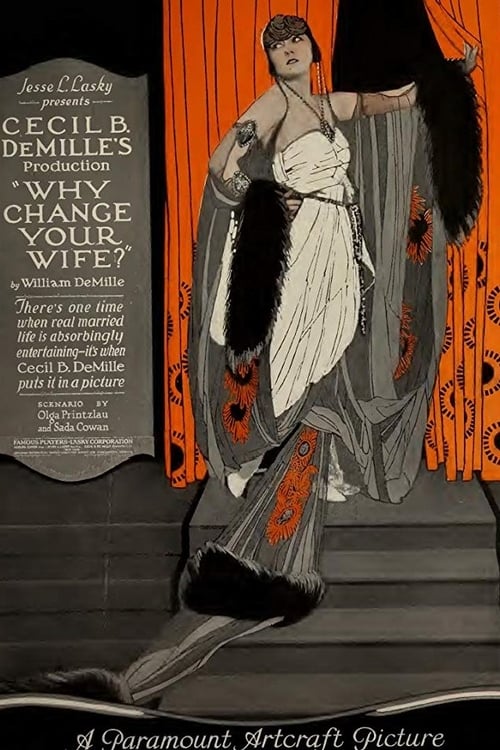
Cecil B. DeMille’s 1920 comedy addresses the social anxieties of the Jazz Age by focusing on the instability of modern marriages. While it touches on the complexities of women's ability to drive the story and the shifting roles of women, it ultimately upholds traditional social hierarchies and the restoration of the marital unit. The film lacks depth in representing diverse backgrounds and instead reinforces established norms.
Category Breakdown
The film focuses solely on heterosexual marriages and does not include any non-cisgender identities or same-sex relationships.
The story examines the tension between traditional domestic life and the evolving role of women. It highlights marital dissatisfaction and the active role women play in their lives.
The cast appears uniform, reflecting the societal norms of the time. The upper-class setting emphasizes a standard, Western archetype without showing any racial diversity.
The narrative upholds traditional Western social structures and the sanctity of marriage. It supports domestic stability without challenging the conventional family structure.
There are no characters with physical, sensory, or neurodivergent disabilities in the story.
Present on Screen
Limited or Absent
Official Synopsis
Robert and Beth Bordon are married but share little. He runs into Sally at a cabaret and the Gordons are soon divorced. Just as he gets bored with Sally's superficiality, Beth strives to improve her looks. The original couple falls in love again at a summer resort.
1929
1934

1927
1942
1932
1919
1931
1935
No reviews yet. Be the first to share your thoughts on this movie!
Use the rating form above to leave a star rating and optional review.