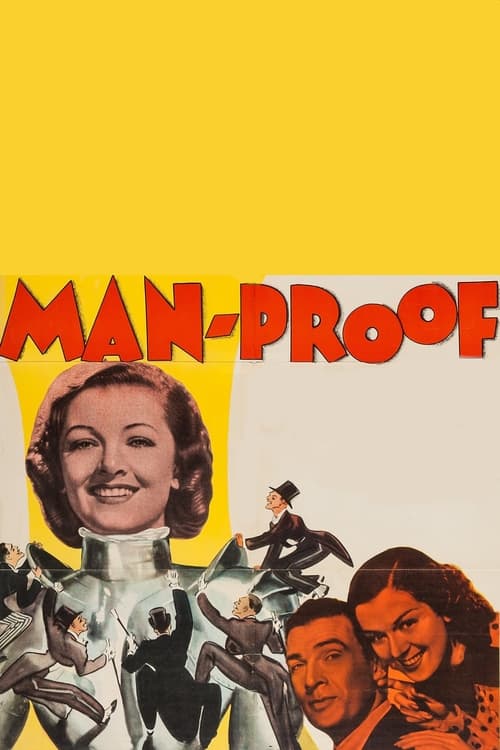
Man-Proof
1938
No user ratings available yet
Representation score: 1.2 out of 10
Representation Score
Limited
1942
NRDirector
George Stevens
Runtime
118 minutes
Average Rating
No ratings yetNew Showbiz Analysis
The film is a period-specific screwball comedy that focuses on psychological depth and social critique rather than broad demographic representation. While it lacks representation for LGBTQ+ individuals, people of color, or those with disabilities, it avoids being a simple slapstick comedy. Its strength lies in its sophisticated handling of gendered social dynamics. By emphasizing women's ability to drive the story and intelligence, the film disrupts the traditional hierarchies of the time. Ultimately, the work succeeds as a deconstruction of communal righteousness. It challenges the idea of inherent small-town virtue, presenting a more complex, relativistic view of morality.
Category Breakdown
The film adheres strictly to the conventions of the 1940s, featuring no non-binary or LGBTQ+ identities. It does not include any narratives that challenge the assumption that everyone is straight or cisgender.
Jean Arthur's character leads the emotional and intellectual journey of the film. The movie challenges the traditional male-dominated narrative by giving women the power to shape social discussions.
The cast is primarily white and represents a homogeneous middle-class community. The film portrays a closed social system that emphasizes the era's predominantly white, Western communities.
The story criticizes the narrow moral standards of small towns by highlighting hypocrisy. It suggests that moral authority can be used as a tool for personal attacks.
The film does not depict any visible or hidden disabilities. Characters are defined by their social status and reputation rather than by physical or neurological differences.
Present on Screen
Limited or Absent
Official Synopsis
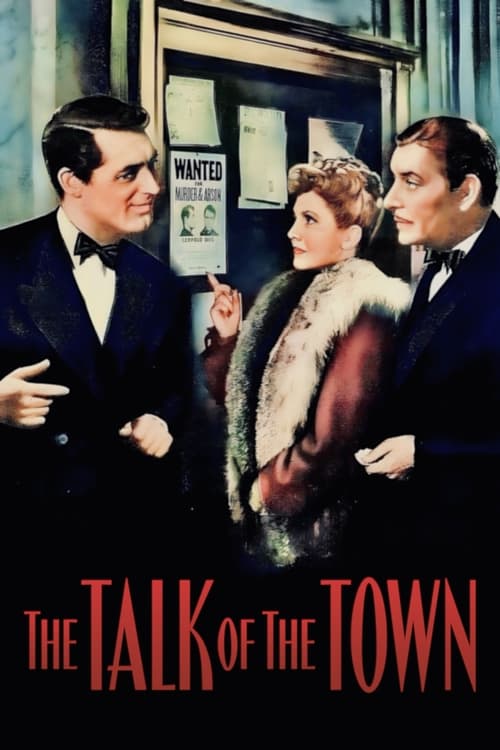
Hilarity ensues when a falsely accused fugitive from justice hides at the house of his childhood friend, which she has recently rented to a high-principled law teacher.
1938
1940

1945
1936
1951
1942
1939
1949
No reviews yet. Be the first to share your thoughts on this movie!
Use the rating form above to leave a star rating and optional review.