The Animal Kingdom
1932
No user ratings available yet
Diversity score: 2.2 out of 10

1952
NRDirector
George Cukor
Runtime
92 minutes
Average Rating
No ratings yetSynopsis
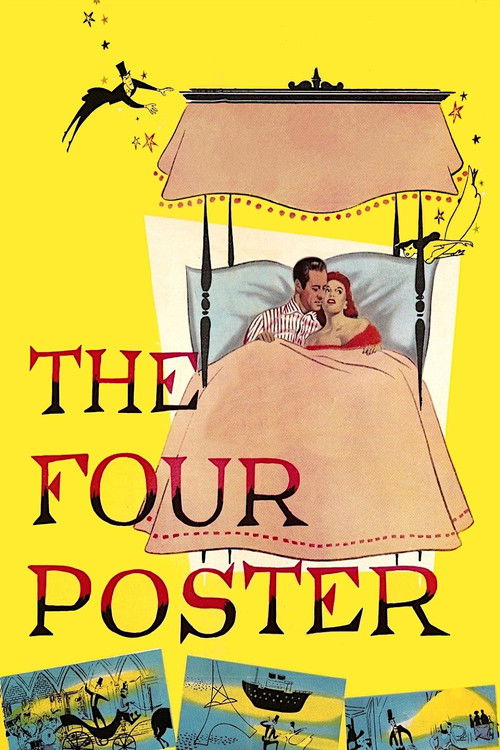
Florence and Chet Keefer have had a troublesome marriage. Whilst in the middle of a divorce hearing the judge encourages them to remember the good times they have had hoping that the marriage can be saved.
Overall Score
Limited
Category Breakdown
LGBTQ+ Representation
The film adheres to the heteronormative social structures of the early 1950s. There is no evidence of non-cisnormative gender identities or same-sex intimacy.
Gender Representation
The narrative disrupts mid-century expectations by inverting domestic hierarchies. The female protagonist acts as the career-driven professional, while the male lead occupies a role defined by artistic fluidity.
Racial & Ethnic Diversity
Consistent with 1952 MGM production standards, the film features a predominantly homogeneous white cast. The narrative does not engage with racial or ethnic diversity.
Religious & Cultural Diversity
The film focuses on the preservation of the nuclear family unit within a traditional framework. It reinforces marital stability rather than critiquing Western social structures.
Disability Representation
There are no prominent depictions of physical, sensory, or neurodivergent disabilities within the primary cast or character arcs.
Strengths
Areas for Improvement
AI Analysis
The film is a product of its era, characterized by a lack of racial, cultural, and LGBTQ+ diversity. It reflects the systemic constraints of 1952 Hollywood, focusing almost exclusively on a homogeneous white, upper-middle-class domesticity. However, the film offers a progressive subversion of gender roles. By casting Zsa Zsa Gabor as the ambitious professional and Fred Astaire in a role defined by artistic fluidity, it challenges the standard 'provider/protector' tropes of the decade. This role reversal provides a layer of psychological depth that elevates the film above standard mid-century archetypes, even as it remains socially conservative in other respects.
1932
1939
1933
1952
1997
1962
1920
1971
1984

2022
1951
1938
No reviews yet. Be the first to share your thoughts on this movie!
Use the rating form above to leave a star rating and optional review.