
Man-Proof
1938
No user ratings available yet
Representation score: 1.2 out of 10
Representation Score
Minimal
1932
ApprovedDirector
Edward H. Griffith
Runtime
85 minutes
Average Rating
No ratings yetNew Showbiz Analysis
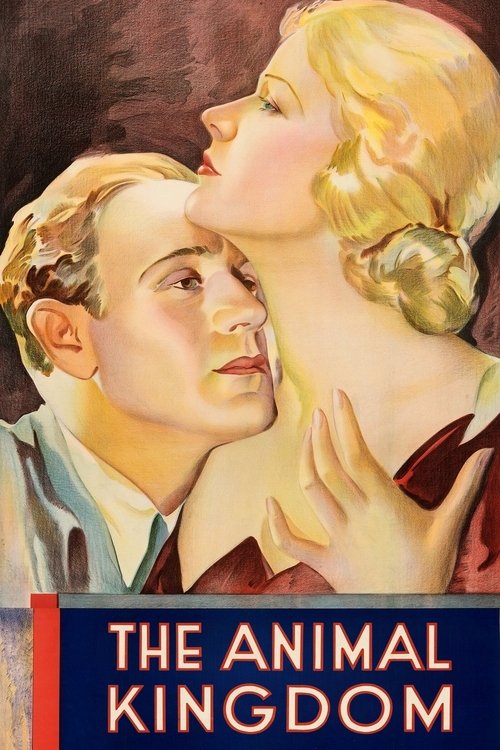
The Animal Kingdom is a period-specific exploration of high-society disillusionment. While it offers a nuanced look at the psychological toll of social performance, it remains limited by the era's social constraints. The film focuses heavily on a narrow, homogeneous demographic. The narrative's strength lies in its portrayal of women's ability to drive the story, particularly through Daisy's refusal to be a passive participant in the protagonist's indecision. This provides a progressive counterpoint to the era's typical formulas. However, the film lacks depth in reflecting multiple aspects of identity. The focus on traditional romantic conflict and a lack of racial or LGBTQ+ representation results in a narrow scope that reflects the socioeconomic elite of the early 1930s.
Category Breakdown
The film follows strict conventions that assume everyone is straight or cisgender. The central conflict revolves around traditional romantic relationships between the male protagonist and two female leads.
Daisy challenges gender hierarchies by taking control and choosing to leave the male protagonist. However, the plot remains focused on the male lead's existential boredom.
The setting reflects a homogeneous Anglo-Saxon social stratum typical of 1932 high-society dramas. There are no characters of color with significant roles or ability to act.
The narrative critiques the performative nature of wealth and social obligations. It portrays the family unit as a source of boredom rather than a moral ideal, but it does not delve into deeper systemic issues.
There are no visible or invisible disabilities portrayed as part of the character arcs or narrative development.
Present on Screen
Limited or Absent
Official Synopsis
Tom Collier has had a great relationship with Daisy, but when he decides to marry, it is not Daisy whom he asks, it is Cecelia. After the marriage, Tom is bored with the social scene and the obligations of his life. He publishes books that will sell, not books that he wants to write. Even worse, he has his old friend working as a butler and Cecelia wants him fired. When Tom tries to get back together with Daisy to renew the feelings that he once felt, Daisy turns the tables on him and leaves to protect both of them.
1938
1939

1939
1942

1933

1938
1920

1933
No reviews yet. Be the first to share your thoughts on this movie!
Use the rating form above to leave a star rating and optional review.