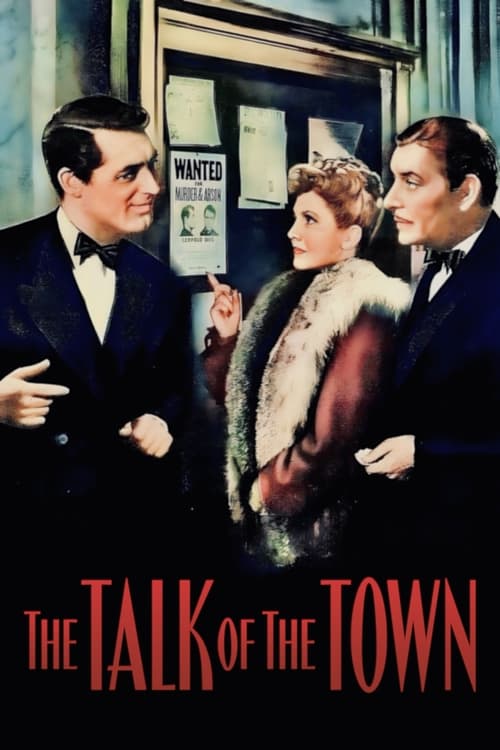
The Talk of the Town
1942
No user ratings available yet
Representation score: 2.5 out of 10

Representation Score
Minimal
1945
ApprovedDirector
Robert Z. Leonard
Runtime
130 minutes
Average Rating
No ratings yetNew Showbiz Analysis
Week-End at the Waldorf is a classic example of mid-1940s escapist entertainment. It emphasizes romantic entanglements and high-society glamour over social commentary or critique. The film upholds the cultural norms and hierarchies of the post-war era by focusing on a homogeneous view of American upper-class life. It serves primarily as an aspirational tool rather than a platform for diversity. By maintaining a narrow narrative scope, the production preserves the status quo of its time.
Category Breakdown
The film focuses solely on heterosexual relationships and does not explore any non-cisgender identities or challenge traditional dating norms.
Women in the film are portrayed as either socialites or professionals, but their roles are often centered around romance rather than independent achievements or political influence.
The movie features a predominantly white cast set in New York’s high society, with no significant roles for people of color.
The story upholds Western capitalist ideals and societal prestige without questioning traditional values or the current economic system.
There are no representations of physical, sensory, or neurodivergent conditions. Characters are depicted through an idealized lens of physical beauty.
Present on Screen
Limited or Absent
Official Synopsis
Anything can happen during a weekend at New York's Waldorf-Astoria: a glamorous movie star meets a world-weary war correspondent and mistakes him for a jewel thief; a soldier learns that without an operation he'll die and so looks for one last romance with a beautiful but ambitious stenographer; a cub reporter tries to get the goods on a shady man's dealing with a foreign potentate.
1942
1942
1943
1940
1931

1937
1939

1935
No reviews yet. Be the first to share your thoughts on this movie!
Use the rating form above to leave a star rating and optional review.