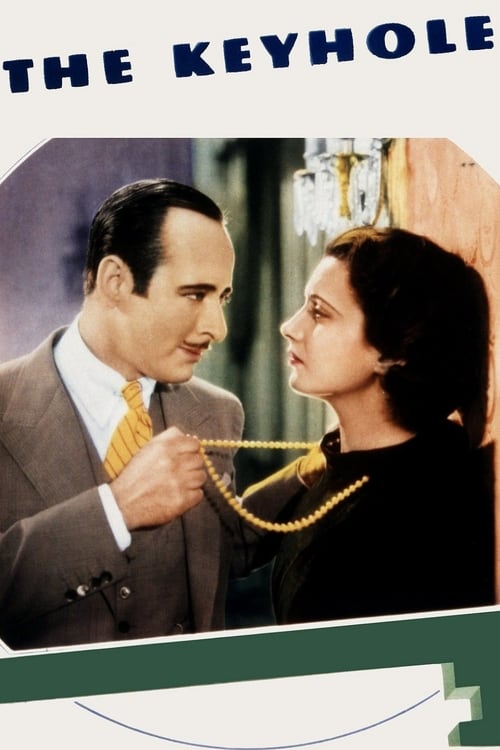
The Keyhole
1933
No user ratings available yet
Diversity score: 2.8 out of 10
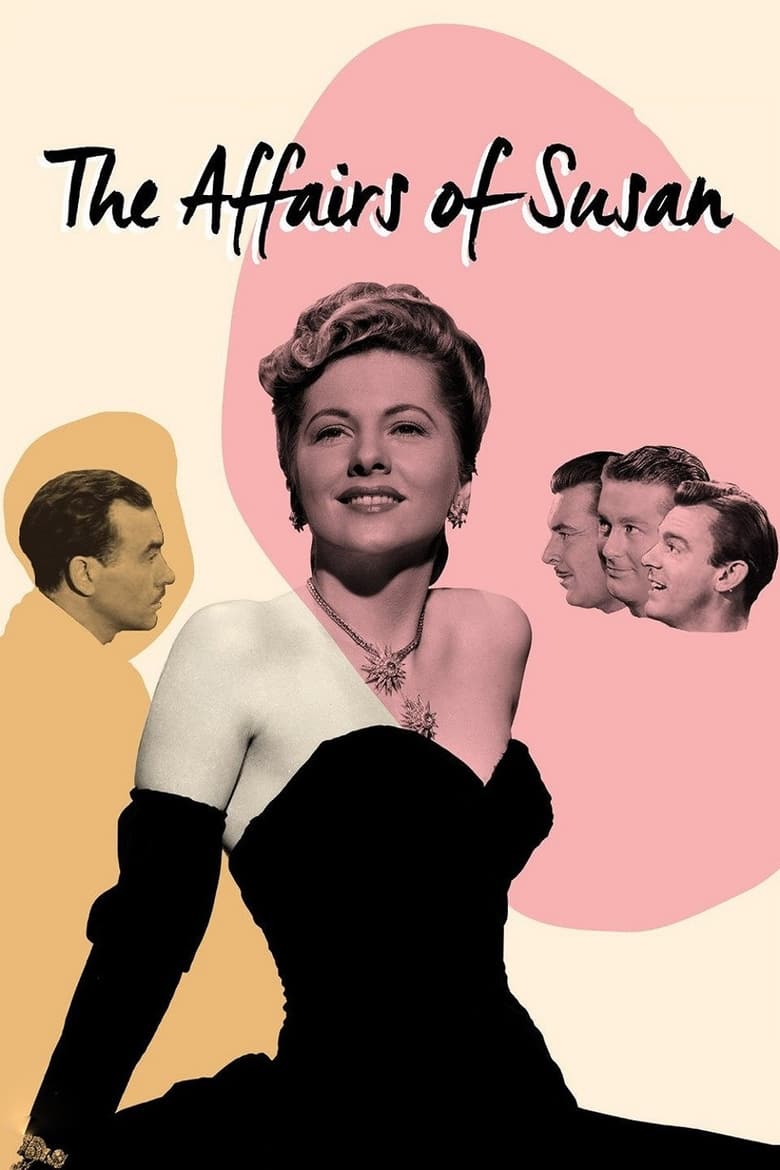
1945
NRDirector
William A. Seiter
Runtime
110 minutes
Average Rating
No ratings yetSynopsis
Susan is about to be married, but the wedding may get called off after her fiancé summons three former beaus. Each reveals a different portrait of Susan: one describes her as a naive country girl who reluctantly becomes an actress, another paints a picture of a gay party girl and and the third describes a serious intellectual.
Overall Score
Limited
Category Breakdown
LGBTQ+ Representation
The film introduces a 'gay party girl' archetype through a former beau's recollections. While likely a coded descriptor for social non-conformity in 1945, it engages with non-heteronormative social personas.
Gender Representation
The narrative centers on the protagonist's intellectual and social autonomy. By presenting her as both a naive ingenue and a serious intellectual, the film subverts the trope of the simplified, monolithic woman.
Racial & Ethnic Diversity
The production appears to adhere to the demographic homogeneity of 1940s Hollywood. There is no evidence of a non-white or non-Anglo-Saxon majority cast.
Religious & Cultural Diversity
The story operates within standard mid-1940s moral frameworks. While exploring romantic complexities, the narrative remains centered on marriage and traditional Western social institutions.
Disability Representation
There is no discernible mention of characters with visible or invisible disabilities within the narrative.
Strengths
Areas for Improvement
AI Analysis
The film serves as a transitional piece of narrative architecture. It utilizes a fragmented structure to explore the multifaceted nature of female identity, presenting three distinct versions of the protagonist to challenge the era's standard for feminine consistency. While the film offers a nuanced look at gendered identity and agency, it remains limited by the era's systemic constraints. It lacks significant racial or disability-based representation, reflecting the demographic homogeneity of the studio system. Ultimately, the work uses multi-perspective storytelling to disrupt the monolithic portrayals of women common in mid-century cinema, even as it reinforces traditional romantic and social structures.
1933
1942

1933
1931
1932
1937
1951
1952
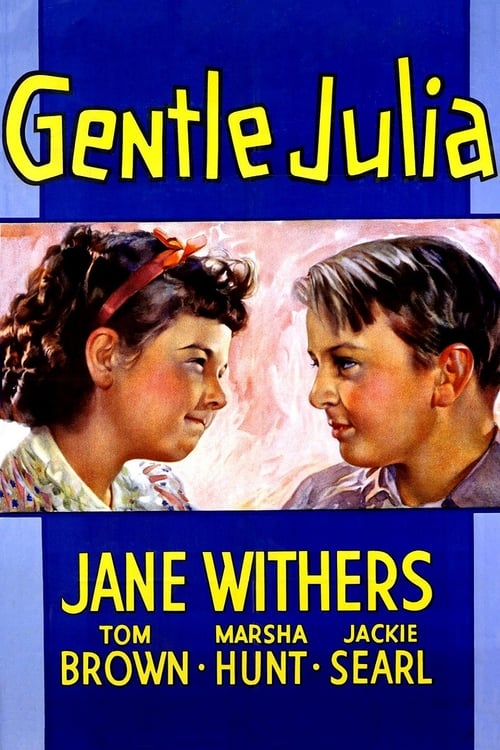
1936
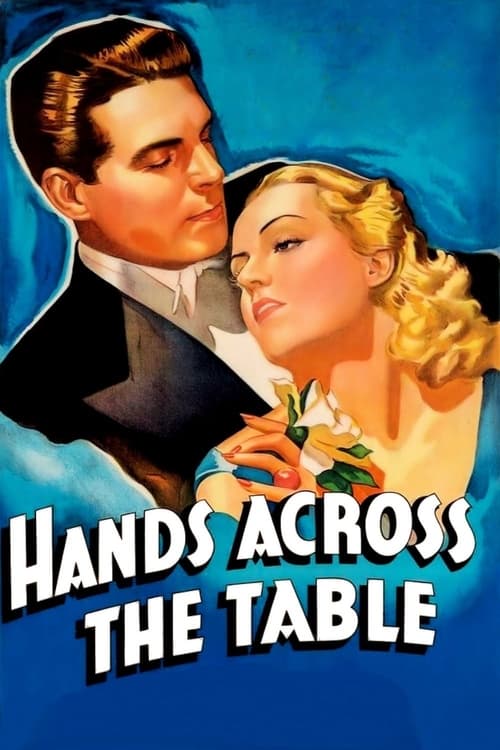
1935
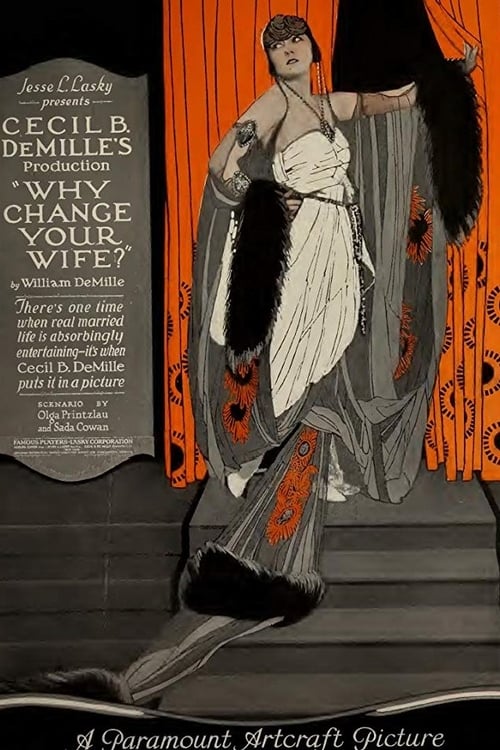
1920
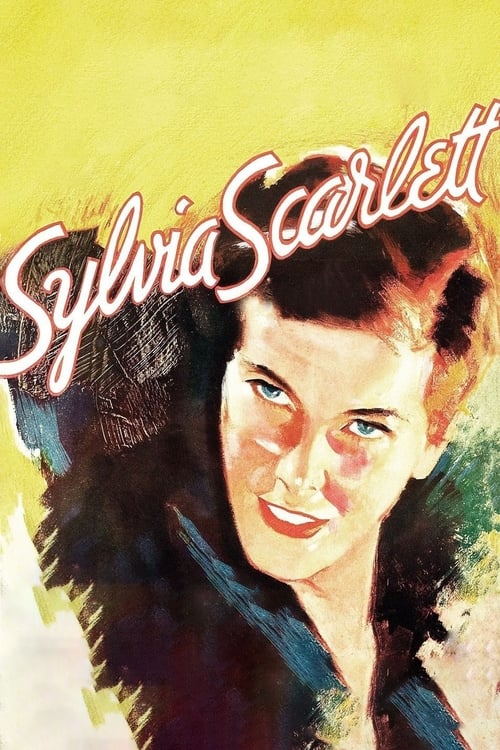
1935
No reviews yet. Be the first to share your thoughts on this movie!
Use the rating form above to leave a star rating and optional review.