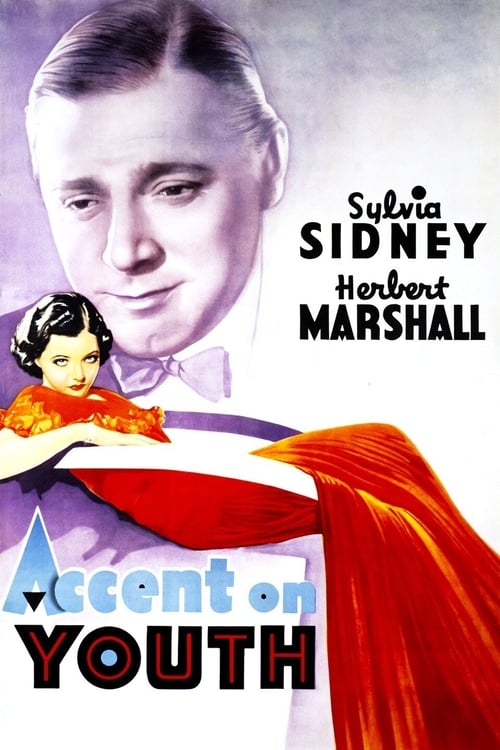
Accent on Youth
1935
No user ratings available yet
Representation score: 1.7 out of 10
Representation Score
Minimal
1935
ApprovedDirector
Mitchell Leisen
Runtime
80 minutes
Average Rating
No ratings yetNew Showbiz Analysis
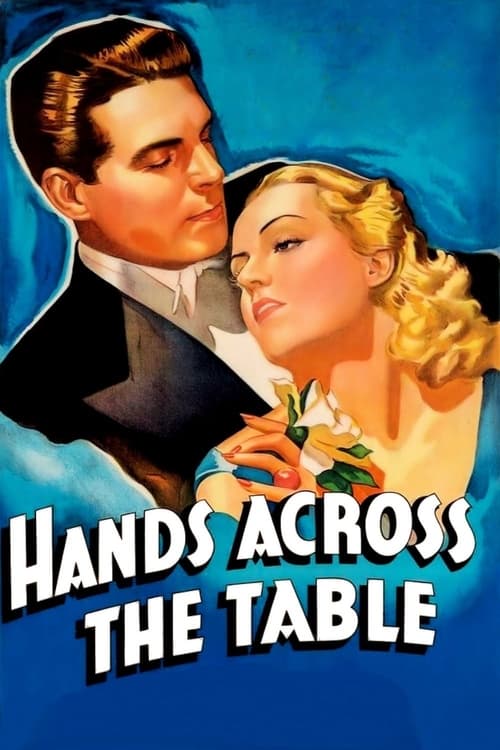
Hands Across the Table is a classic studio romantic comedy reflecting the social norms of 1935. It emphasizes escapism by reinforcing established norms rather than questioning them. The film lacks meaningful representation of underrepresented groups, including LGBTQ+ individuals, racial minorities, and those with disabilities. Its narrative structure centers on a traditional, white, and heterosexual framework. While the female lead demonstrates spirited wit, the story fundamentally adheres to the conventional social and economic ideals of the time.
Category Breakdown
The film follows strict 1930s standards and does not depict any non-traditional gender identities or same-sex relationships.
Claudette Colbert's character shows verbal wit and plays a significant role in driving the story, but the film ultimately upholds traditional gender roles and romantic relationships.
The cast mirrors the demographic makeup of mid-1930s Hollywood, focusing on a white, upper-middle-class setting in New York City.
The film celebrates traditional Western social structures and economic goals, reinforcing the stability of romantic and social institutions.
All characters are portrayed as fully able-bodied, and the narrative does not address physical or neurological disabilities.
Present on Screen
Limited or Absent
Official Synopsis
A manicurist and an engaged loafer, both planning to marry money, meet and fall in love.
1935
1940

1942

1938
1932
1934
1937
1937
No reviews yet. Be the first to share your thoughts on this movie!
Use the rating form above to leave a star rating and optional review.