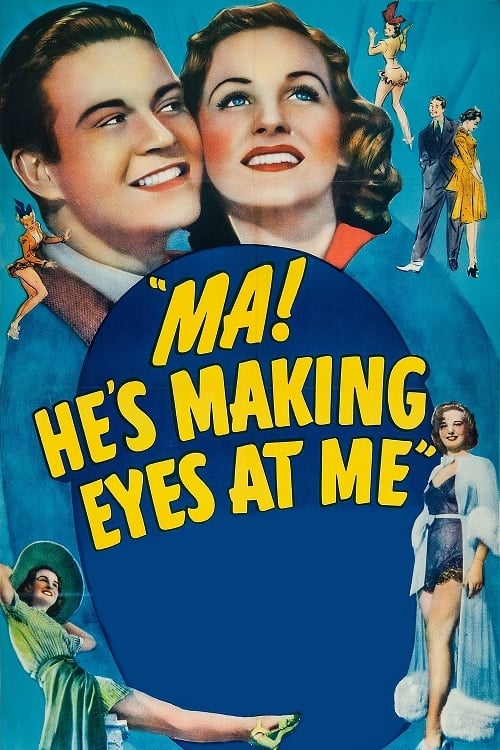
Ma, He's Making Eyes at Me!
1940
No user ratings available yet
Representation score: 1.1 out of 10
Representation Score
Minimal
1950
NRDirector
Robert Z. Leonard
Runtime
98 minutes
Average Rating
No ratings yetNew Showbiz Analysis
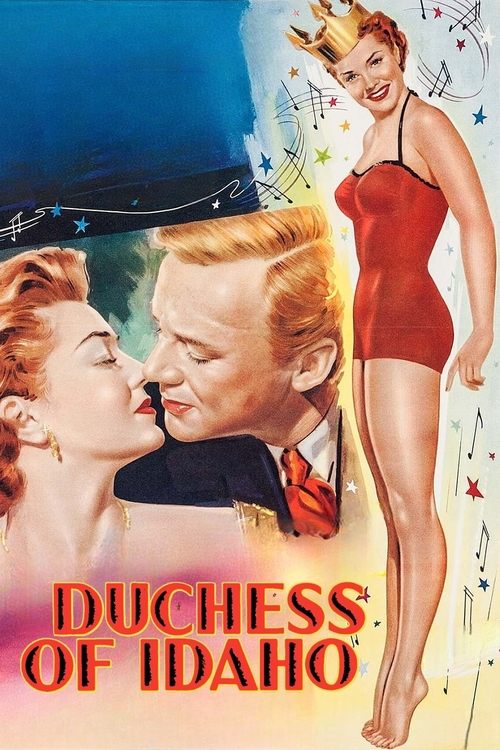
Duchess of Idaho is a typical mid-century studio production that emphasizes traditional romantic themes. The narrative reinforces the social, gender, and racial hierarchies of 1950s mainstream cinema without challenging them. While female characters use social maneuvering to influence the plot, their goals are tied to traditional marital relationships. The film lacks any multi-layered depth, presenting a homogeneous view of high-society life. Ultimately, the film reinforces the status quo, offering a singular moral framework and lacking diverse perspectives.
Category Breakdown
The film strictly follows the assumption that everyone is straight or cisgender. The plot revolves around a romantic triangle between male and female leads, without representing non-cisgender identities.
Female characters play a significant role in orchestrating the plot, but their actions are aimed at securing traditional marital relationships within the gender norms of the 1950s.
The film features a predominantly white, Anglo-Saxon cast. The high-society setting does not include multi-ethnic or characters who reflect more than one aspect of diversity, reflecting the demographic homogeneity of the time.
The narrative celebrates high socioeconomic status and conventional social decorum. It upholds Western social hierarchies and traditional moral frameworks without offering any critique or alternative viewpoints.
There are no visible or invisible disabilities portrayed as central to the character arcs or plot development.
Present on Screen
Limited or Absent
Official Synopsis
Ellen Hallit is in love with her playboy boss, Douglas Morrison, but is too timid to do anything about it. To help her, her roommate Chris decides to step in, and devises a plan. Chris follows Morrison on his trip to Sun Valley, Idaho and plays the overattentive female, hoping that he will send for Ellen (who often played his "fiancée" when he had a female he couldn't discourage otherwise.) Complications arise when Chris catches the eye of band leader Dick Layne, and finds herself caught in a triangle between the two men.
1940
1935
1942
1942
1946
1937
1939
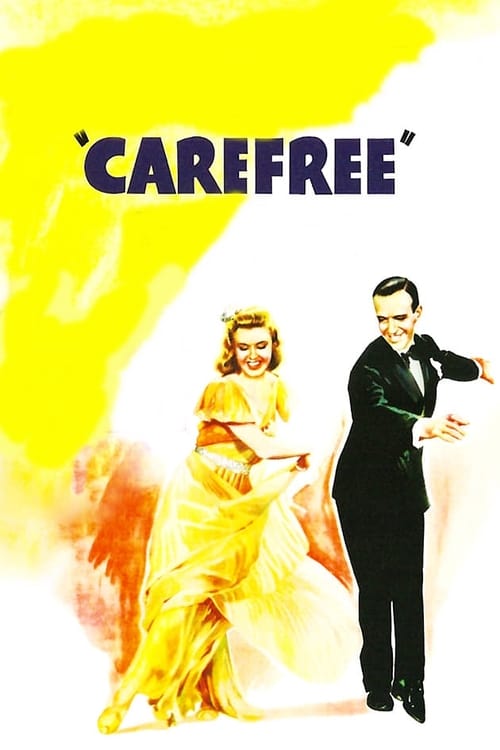
1938
No reviews yet. Be the first to share your thoughts on this movie!
Use the rating form above to leave a star rating and optional review.