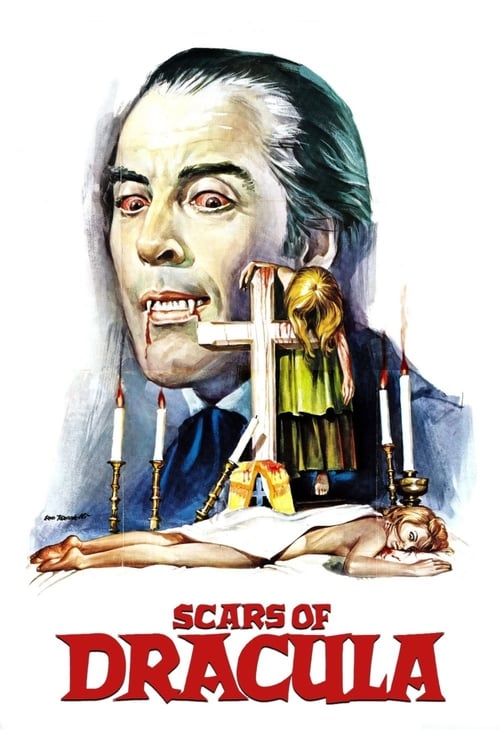
Scars of Dracula
1970
No user ratings available yet
Representation score: 2.2 out of 10
Representation Score
Minimal
1970
RDirector
Peter Sasdy
Runtime
95 minutes
Average Rating
No ratings yetNew Showbiz Analysis
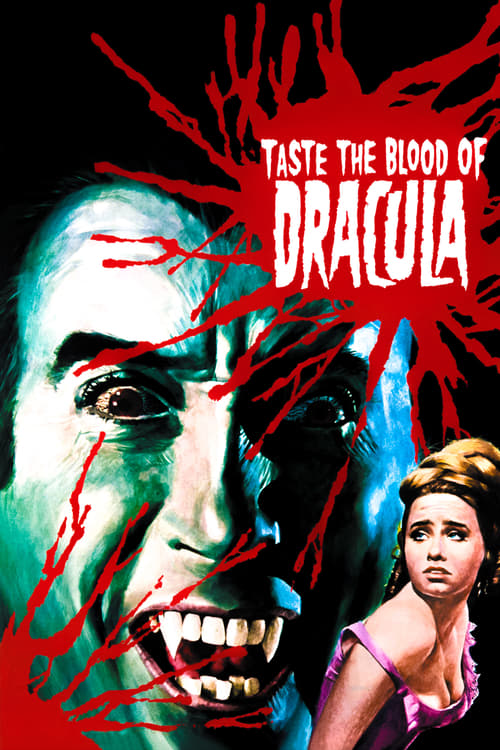
Taste the Blood of Dracula is a quintessential Hammer Horror production that prioritizes Gothic atmosphere over social complexity. The film adheres to the established narrative and social hierarchies of the 1970s, focusing on classical genre clichés. The demographic profile is largely homogeneous, featuring a predominantly white cast and traditional gender roles. Female characters are frequently positioned as victims or objects of desire rather than autonomous actors. Ultimately, the film functions as a preservation of period-specific horror aesthetics. It does not attempt to introduce perspectives that reflect multiple aspects of identity or disrupt the conventional social structures of its setting.
Category Breakdown
The film operates within a strictly heterosexual framework. Dracula’s motivations center on pursuing a specific female likeness, reinforcing traditional romantic and predatory dynamics.
Gender roles are heavily skewed towards male figures. Female characters often serve as vulnerable subjects of predation or catalysts for male actions rather than driving the plot independently.
The cast is predominantly white and Anglo-European, reflecting the era's studio aesthetics. There are no non-white characters within this 18th-century European setting.
The story follows traditional Western themes regarding lineage and class. It explores moral corruption through individual failings rather than offering a systemic critique of Western institutions.
There are no prominent depictions of visible or invisible disabilities. No characters utilize disability as a central part of their arc or ability to act.
Present on Screen
Limited or Absent
Official Synopsis
Three elderly distinguished gentlemen are searching for some excitement in their boring borgoueis lives and gets in contact with one of count Dracula's servants. In a nightly ceremony they restore the count back to life. The three men killed Dracula's servant and as a revenge, the count makes sure that the gentlemen are killed one by one by their own sons.
1970
1966
1970
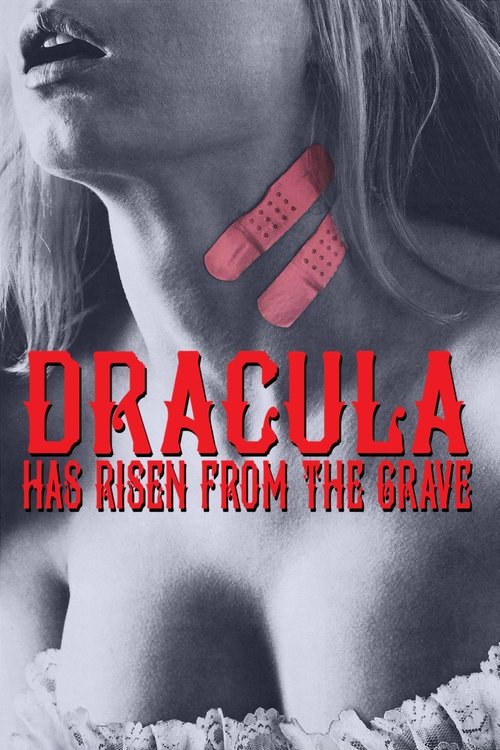
1968
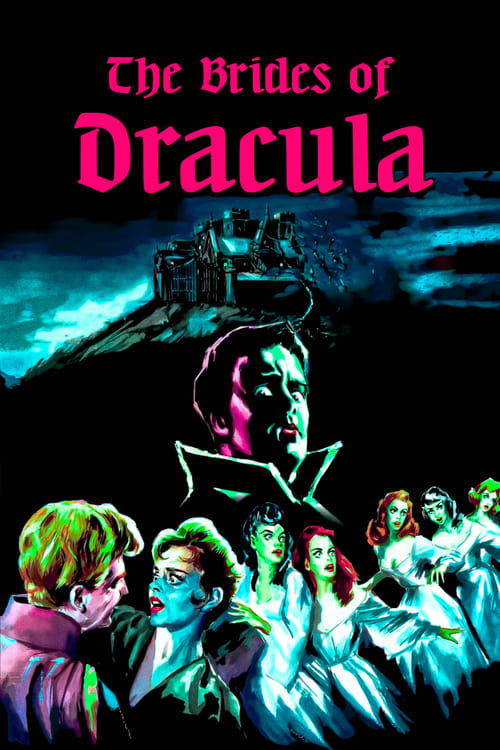
1960

1963
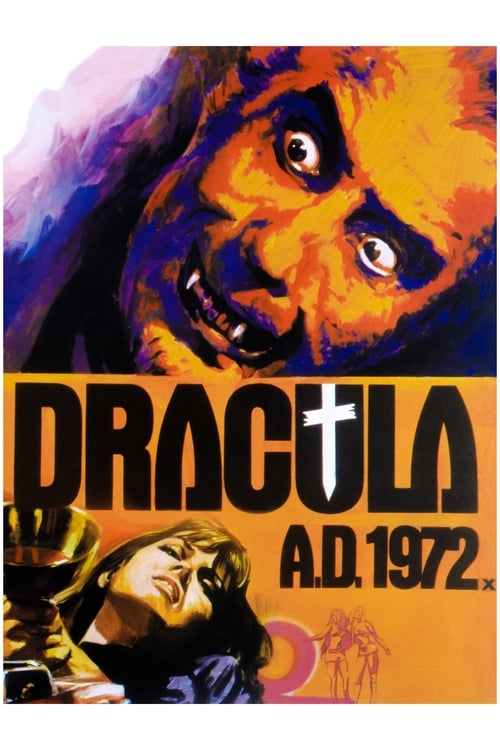
1972
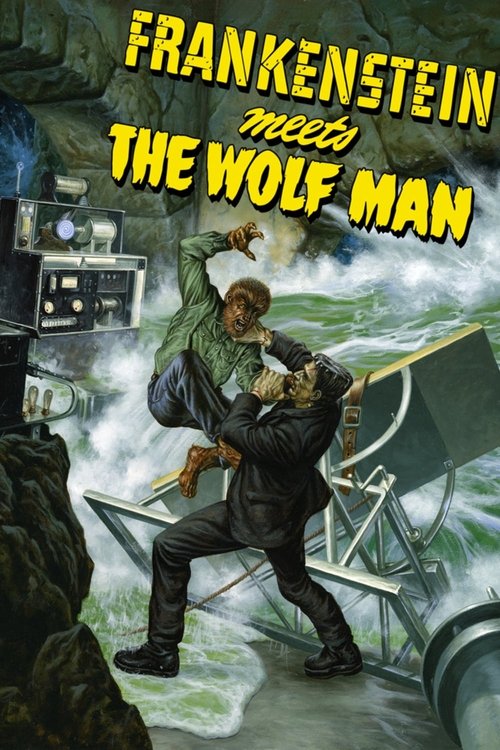
1943
No reviews yet. Be the first to share your thoughts on this movie!
Use the rating form above to leave a star rating and optional review.