
Dracula
1958
No user ratings available yet
Representation score: 2.2 out of 10
Representation Score
Limited
1960
PGDirector
Terence Fisher
Runtime
82 minutes
Average Rating
No ratings yetNew Showbiz Analysis
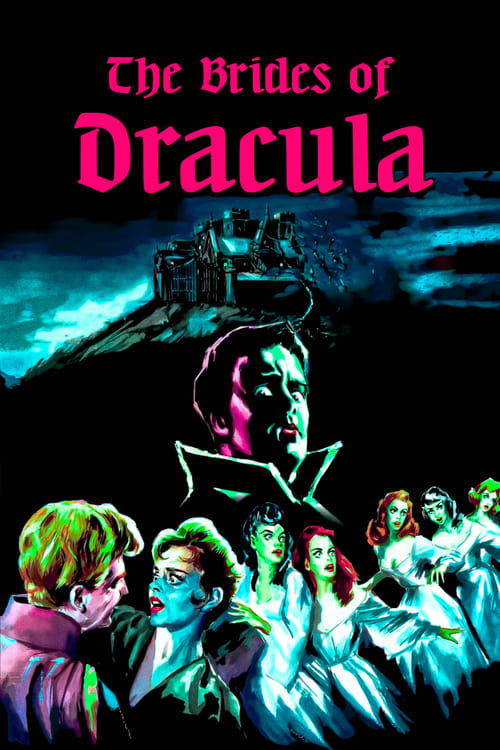
The Brides of Dracula is a period-specific horror film that operates within the conventional social boundaries of the 1960s. While it offers a slight subversion of gender clichés by centering female antagonists, it lacks the intention to challenge broader hierarchies of race or identity. The film's demographic profile is largely homogeneous, reflecting the era's lack of storytelling that reflects multiple aspects of identity. It relies on established cinematic formulas rather than disrupting social norms. Ultimately, the work functions as a classical genre exercise. It prioritizes Gothic tension and traditional structures over diverse or inclusive representation.
Category Breakdown
The film does not feature any visible or implied LGBTQ+ characters. Interpersonal relationships adhere to the heterosexual norms of the 1960s.
Women are portrayed as predatory antagonists, reversing the traditional damsel in distress cliché. However, their role is constrained by motivations that uphold patriarchal structures.
The cast is predominantly white and European, lacking characters from non-Anglo-Saxon backgrounds. The film adheres to the homogeneity of the 1960s.
The story follows a traditionalist perspective centered on science and medicine. It upholds a binary moral framework between order and supernatural chaos.
There is no depiction of neurodivergence or physical disabilities. Characters are defined by supernatural conflicts rather than by lived experiences of disability.
Present on Screen
Limited or Absent
Official Synopsis
A young teacher on her way to a position in Transylvania helps a young man escape the shackles his mother has put on him. In so doing she innocently unleashes the horrors of the undead once again on the populace, including those at her school for ladies. Luckily for some, Dr. Van Helsing is already on his way.
1958
1968
2012
1966
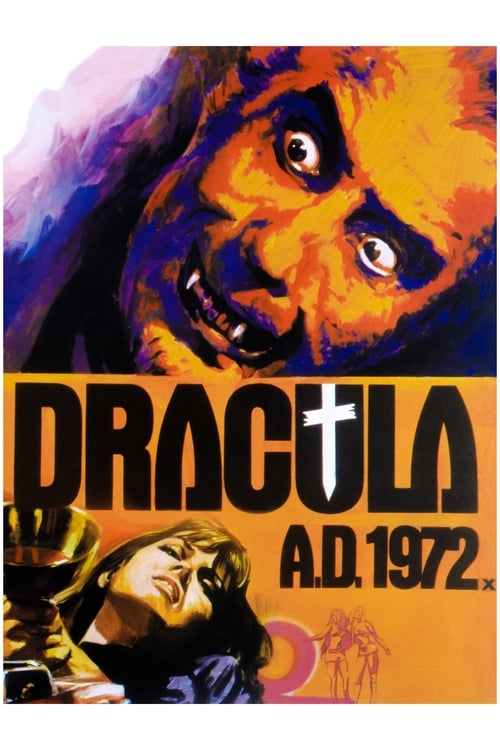
1972
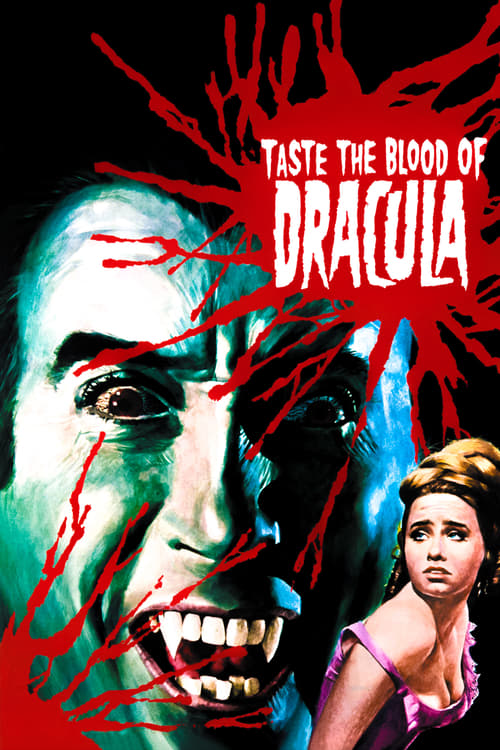
1970
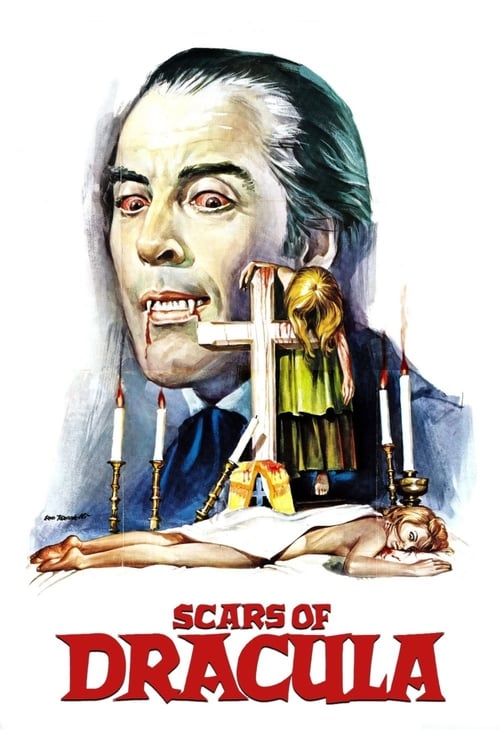
1970
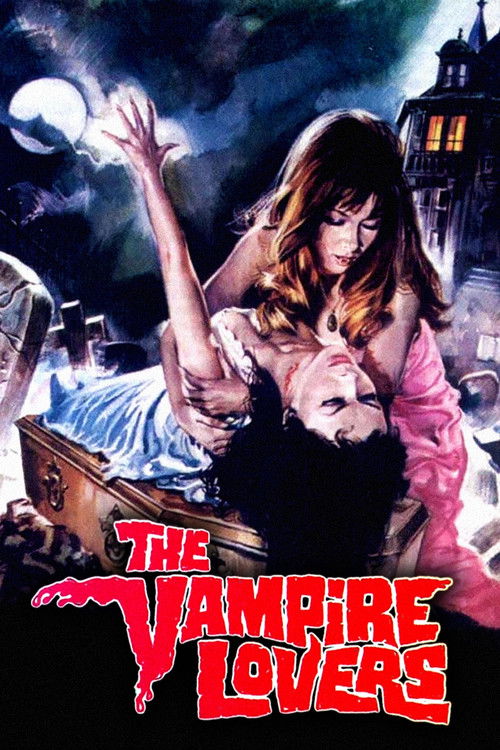
1970
No reviews yet. Be the first to share your thoughts on this movie!
Use the rating form above to leave a star rating and optional review.