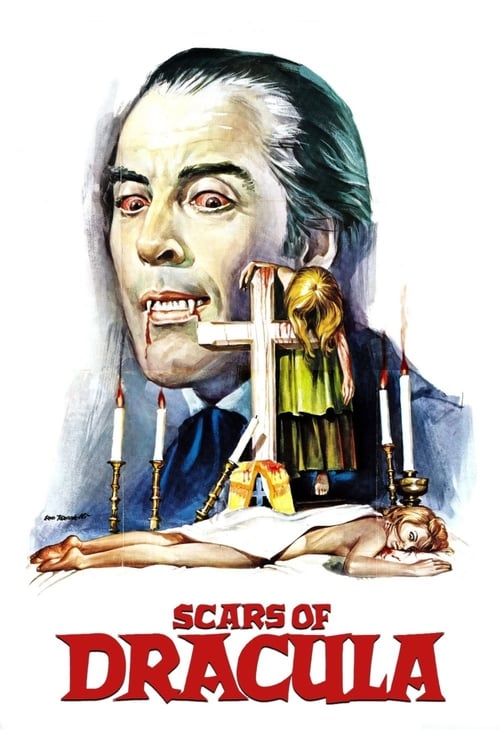
Scars of Dracula
1970
No user ratings available yet
Representation score: 2.2 out of 10
Representation Score
Minimal
1968
GDirector
Freddie Francis
Runtime
92 minutes
Average Rating
No ratings yetNew Showbiz Analysis
This Hammer Horror production adheres to traditional social and institutional norms. It relies on a predictable hierarchy of gender, race, and authority typical of 1960s Gothic horror. The film lacks multi-layered complexity, opting instead for a binary of good versus evil. Ultimately, it serves as a quintessential example of mid-century filmmaking, adhering strictly to established clichés and a Western-centric worldview.
Category Breakdown
The film focuses on a vampire's predatory relationship with female targets, without including any non-cisgender identities or same-sex intimacy. It operates within a strictly heterosexual framework.
Female characters are passive subjects of predation, while male protagonists like the doctor and priest hold authority and intellectual leadership. Traditional gender hierarchies are reinforced throughout the story.
The cast is overwhelmingly homogeneous, reflecting a traditional European demographic. There is no effort to include actors from non-Anglo-Saxon backgrounds.
Western institutions like the Church and medical establishment are portrayed as the primary defenders of order against supernatural chaos. The narrative relies heavily on these Western-centric pillars.
The film does not feature characters with visible or invisible disabilities. It does not explore neurodivergence or physical impairment.
Present on Screen
Limited or Absent
Official Synopsis
In the shadow of Castle Dracula, the Prince of Darkness is revived by blood trickling from the head-wound of an unconscious priest attempting exorcism. And once more fear and terror strikes Transylvania as the undead Prince of Darkness stalks the village of Keineneburg to ensnare victims and satisfy his evil thirst.
1970
1970
1966
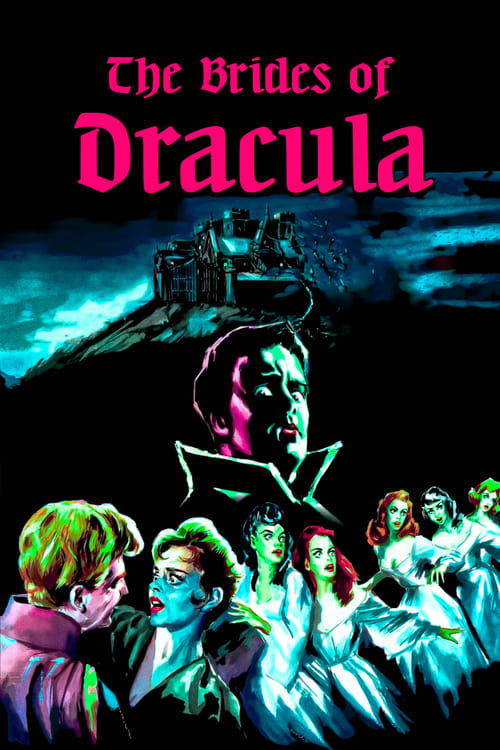
1960
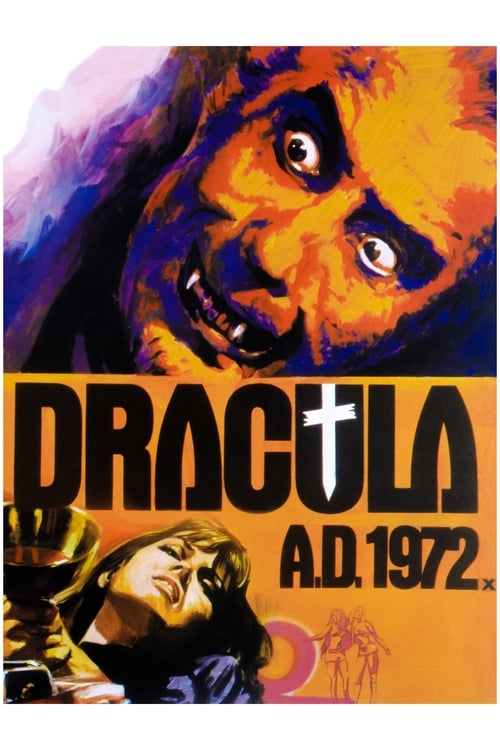
1972

1958
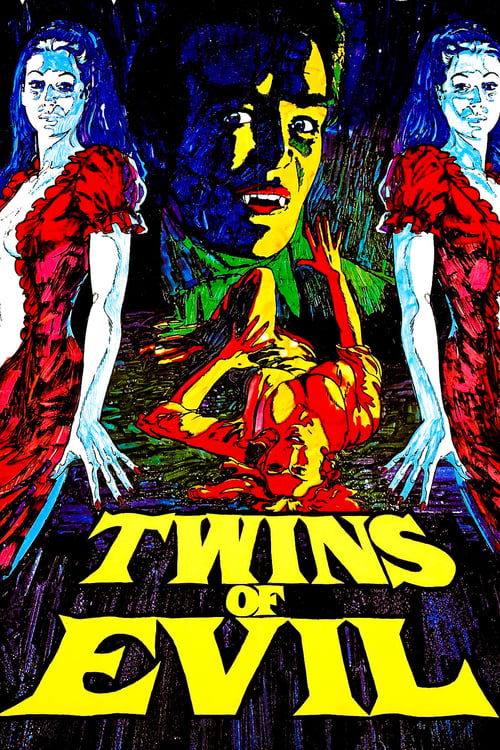
1971
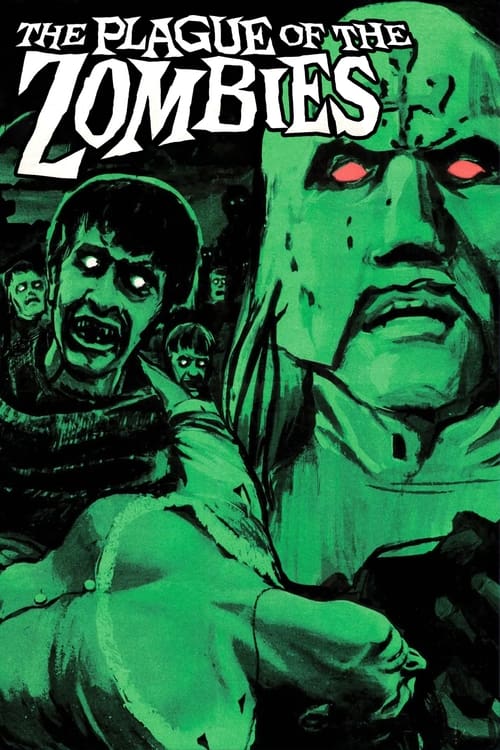
1966
No reviews yet. Be the first to share your thoughts on this movie!
Use the rating form above to leave a star rating and optional review.