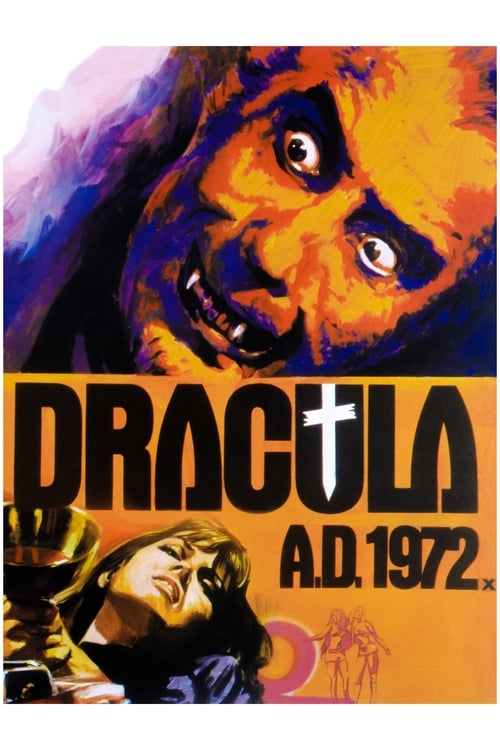
Dracula A.D. 1972
1972
No user ratings available yet
Representation score: 2.9 out of 10

Representation Score
Minimal
1973
RDirector
Alan Gibson
Runtime
88 minutes
Average Rating
No ratings yetNew Showbiz Analysis
The Satanic Rites of Dracula operates as a traditional genre piece that reinforces established social and moral hierarchies. It relies heavily on gothic archetypes and conventional character roles common to the Hammer Horror tradition. Representation is minimal across most categories. The film lacks intentionality regarding diverse identities, focusing instead on a classic struggle of good versus evil. The cast and social dynamics reflect the era's limited approach to diversity. Ultimately, the film prioritizes a traditional conflict over any meaningful disruption of social structures or power dynamics.
Category Breakdown
The film does not include any LGBTQ+ characters or identities outside of traditional heterosexual relationships. Interpersonal dynamics are confined to conventional romantic or predatory relationships.
A woman plays a central role in the occult plot, but her role is limited to serving as a vessel for supernatural forces. She functions more as a conduit for supernatural elements than an empowered protagonist.
The cast is predominantly white, reflecting the era's focus on Anglo-Saxon social norms. Characters of color have limited narrative depth or ability to act within the story.
The narrative presents a binary struggle between the established social order and a nihilistic cult. It portrays the cult as an irrational threat to traditional morality, avoiding moral relativism.
There is no meaningful depiction of physical, neurodivergent, or sensory disabilities. Characters are defined by standard physical competence or vulnerability to horror rather than lived identity.
Present on Screen
Limited or Absent
Official Synopsis
The police and British security forces call in Professor Van Helsing to help them investigate Satanic ritual which has been occurring in a large country house, and which has been attended by a government minister, an eminent scientist and secret service chief. The owner of the house is a mysterious property tycoon who is found to be behind a sinister plot involving a deadly plague. It is in fact Dracula who, sick of his interminable existence, has decided that he must end it all in the only possible way- by destroying every last potential victim.
1972
1960
1970
1968
1966
1935
1966
1971
No reviews yet. Be the first to share your thoughts on this movie!
Use the rating form above to leave a star rating and optional review.