The Wolf Man
1941
No user ratings available yet
Representation score: 1.7 out of 10
Representation Score
Limited
1961
NRDirector
Terence Fisher
Runtime
93 minutes
Average Rating
No ratings yetNew Showbiz Analysis
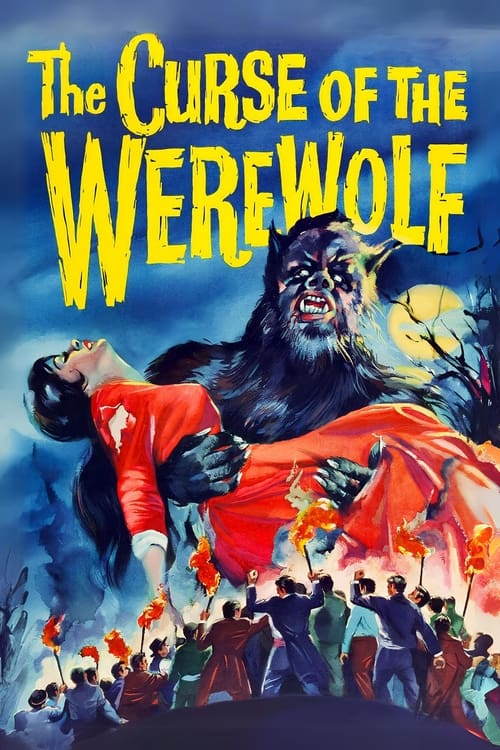
Terence Fisher’s 1961 horror classic is a quintessential period piece that prioritizes gothic atmosphere over social subversion. The film adheres to the traditionalist constraints of early 1960s genre cinema, reinforcing established social hierarchies rather than challenging them. Representation is limited by the era's conventions, focusing on the tension between medical authority and village superstition. Characters often serve functional roles within the supernatural plot rather than as complex, diverse individuals. Ultimately, the film serves as a standard example of Hammer Horror, relying on classical clichés and a homogeneous cast, offering little engagement with modern concepts of gender, race, or identity.
Category Breakdown
The film sticks to traditional romantic and social dynamics, lacking any queer subtext or non-straight identities.
Female characters are mostly side characters, serving as romantic interests or targets of supernatural threats. Power dynamics are centered around male-dominated scientific and social hierarchies.
The cast is mainly white and European, reflecting the homogeneous social structures of 1961. The film does not show a diverse range of races.
The story highlights the conflict between scientific rationalism and traditional superstition. It emphasizes the standard clash between Enlightenment-era science and folk beliefs.
A mute servant girl is a key plot element for the central curse. However, this portrayal serves as a narrative device rather than an exploration of her lived experience.
Present on Screen
Limited or Absent
Official Synopsis
A child conceived by a mute servant girl transforms from an innocent youth to a killer beast at night with uncontrollable urges.
1941
1966
1996
1935

1958
1942

2011

1978
No reviews yet. Be the first to share your thoughts on this movie!
Use the rating form above to leave a star rating and optional review.