The Blood on Satan's Claw
1971
No user ratings available yet
Representation score: 3.4 out of 10
Representation Score
Minimal
1971
RDirector
John Hough
Runtime
87 minutes
Average Rating
No ratings yetNew Showbiz Analysis
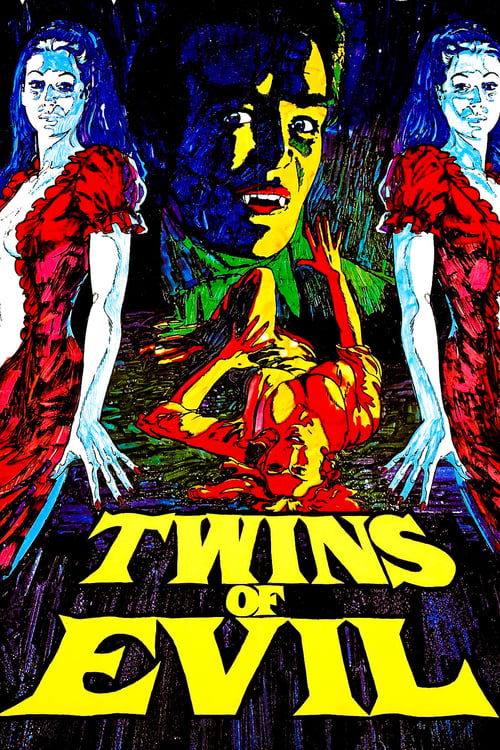
Twins of Evil is a classic gothic horror film that focuses on creating an eerie atmosphere rather than challenging social hierarchies. Female characters have significant influence over the plot, but their roles follow traditional stereotypes. The film features an almost entirely white, European cast and doesn't include any LGBTQ+ characters or diverse identities. The central conflict revolves around common horror movie clichés, such as the battle between organized religion and the supernatural. Overall, the film lacks meaningful inclusion of diverse identities and disability representation, sticking closely to the genre conventions of the 1970s.
Category Breakdown
The film doesn't show any non-binary or LGBTQ+ relationships. It follows the traditional assumptions about straight relationships.
Female characters like Mircalla and Maria play important roles in driving the plot. However, they are caught in a binary where they are either seen as evil or as victims.
The cast is made up mostly of white, European actors, reflecting the limited approach to racial diversity in early 1970s horror films.
The story deals with religious extremism through the conflict between organized religion and supernatural forces. It uses common horror movie clichés rather than critiquing Western institutions.
There are no characters with disabilities, whether visible or not, in the film.
Present on Screen
Limited or Absent
Official Synopsis
While dabbling in Satanism, Count Karstein resurrects Mircalla Karnstein who initiates him into vampirism. As a rash of deaths afflicts the village, Gustav the head of Puritan group leads his men to seek out and destroy the pestilence. One of his twin nieces has become inflicted with the witchcraft but Gustav's zeal and venom has trapped the innocent Maria, threatening her with a tortuous execution, whilst Frieda remains free to continue her orgy of evil.
1971
1970
1968
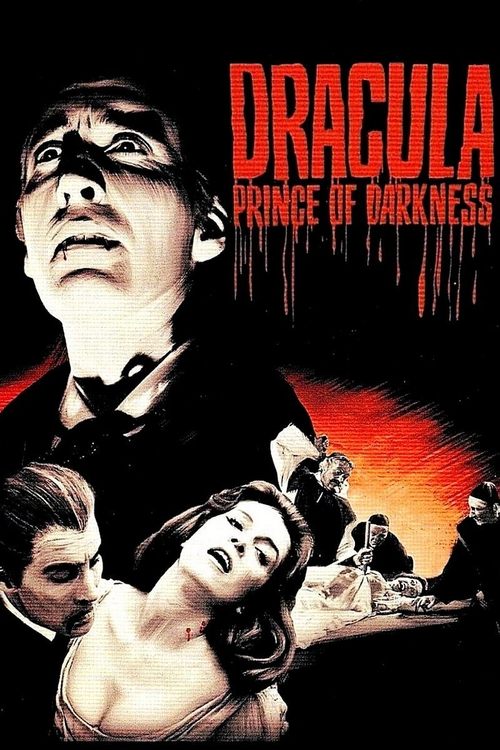
1966
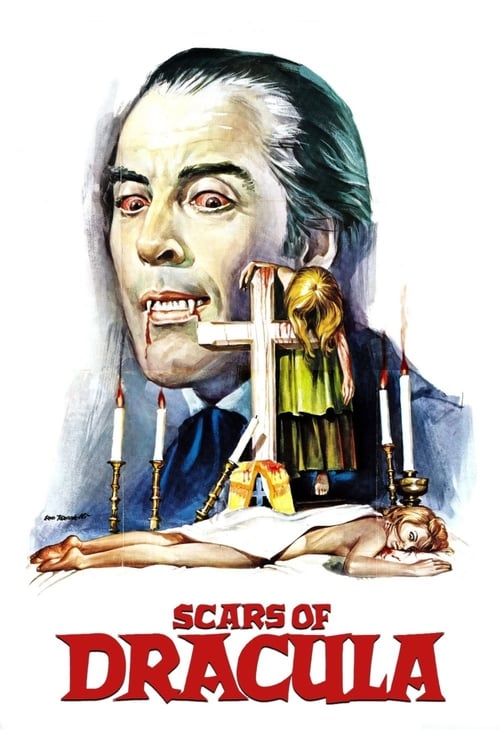
1970
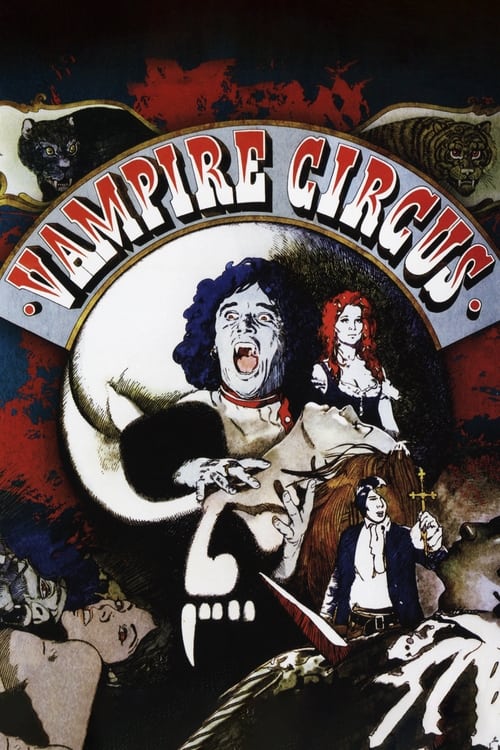
1972

1973
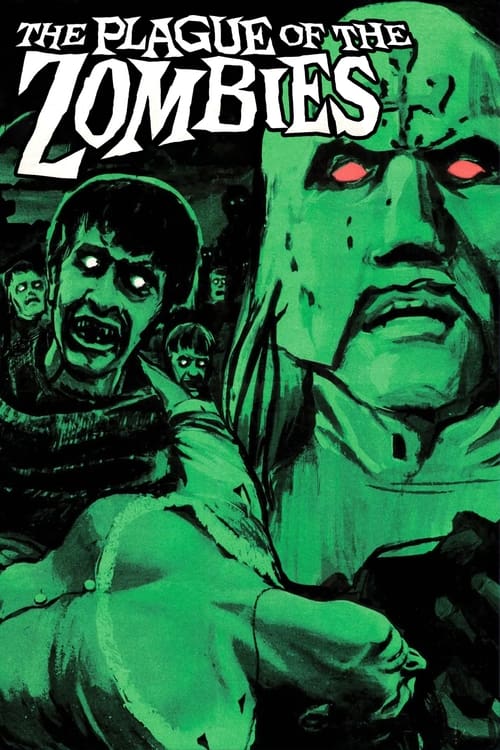
1966
No reviews yet. Be the first to share your thoughts on this movie!
Use the rating form above to leave a star rating and optional review.