
Dracula
1958
No user ratings available yet
Representation score: 2.2 out of 10
Representation Score
Limited
1959
NRDirector
Terence Fisher
Runtime
88 minutes
Average Rating
No ratings yetNew Showbiz Analysis
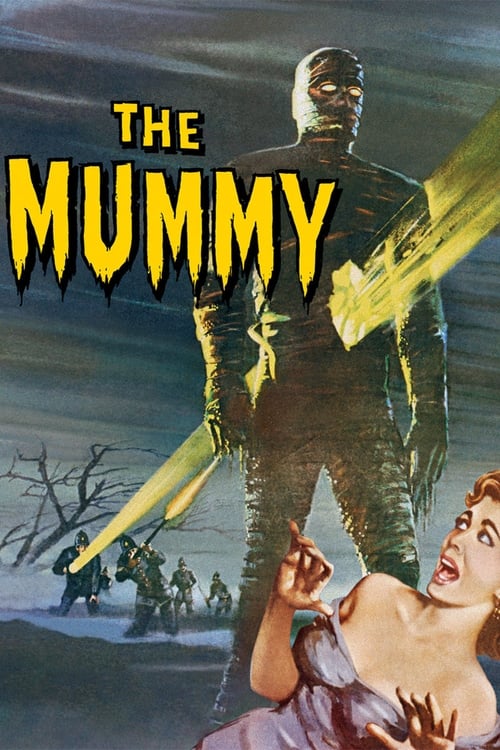
The Mummy is a classic example of mid-century British horror, adhering to the social hierarchies and moral frameworks of its time. The narrative prioritizes genre clichés over systemic challenges, reinforcing traditional power dynamics. Women are often positioned as victims or objects of obsession, while men drive the investigation. The cultural setting is viewed through a colonialist lens, where the local environment exists primarily to facilitate Western discovery. Ultimately, the film lacks intentionality regarding diverse representation. It relies on established Gothic horror clichés that utilize physical 'otherness' and ancient mysticism to create tension without challenging the status quo.
Category Breakdown
The film does not depict any non-straight or non-cisgender identities. The romantic tension revolves around heterosexual relationships, particularly the mummy's fixation on a woman.
Gender roles follow traditional patterns, with male characters serving as investigators and protectors. The female protagonist, Isobel, mainly functions as a passive object of desire and a plot catalyst.
The story focuses primarily on a British archaeological expedition, with the Egyptian setting serving as a backdrop for Western exploration. This reflects a colonial-era perspective.
The story contrasts modern science with ancient mysticism, using ancient evil clichés to validate modern stability. It does not critique Western institutions.
The mummy is portrayed through physical deformity to evoke fear. His speechless, grotesque state is used as a horror device rather than giving him a meaningful role.
Present on Screen
Limited or Absent
Official Synopsis
One by one the archaeologists who discover the 4,000-year-old tomb of Princess Ananka are brutally murdered. Kharis, high priest in Egypt 40 centuries ago, has been brought to life by the power of the ancient gods and his sole purpose is to destroy those responsible for the desecration of the sacred tomb. But Isobel, wife of one of the explorers, resembles the beautiful princess, forcing the speechless and tormented monster to defy commands and abduct Isobel to an unknown fate.
1958
1932
1966
1967
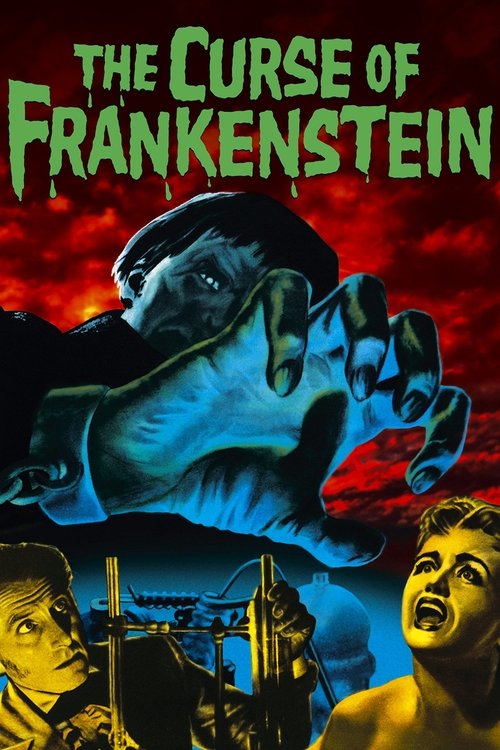
1957
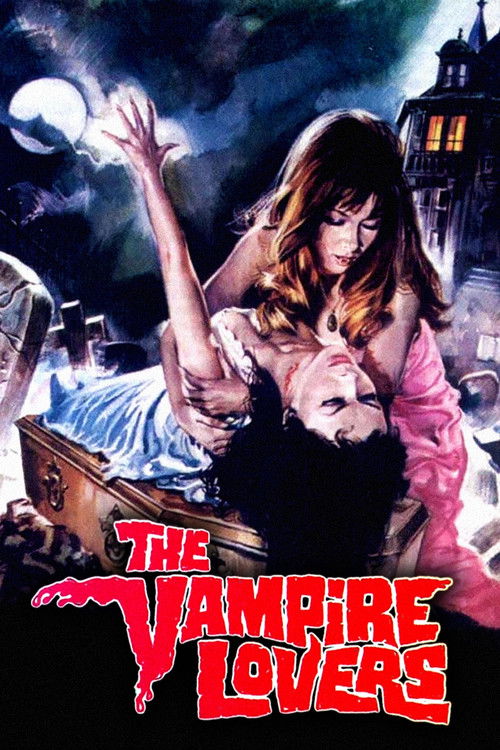
1970
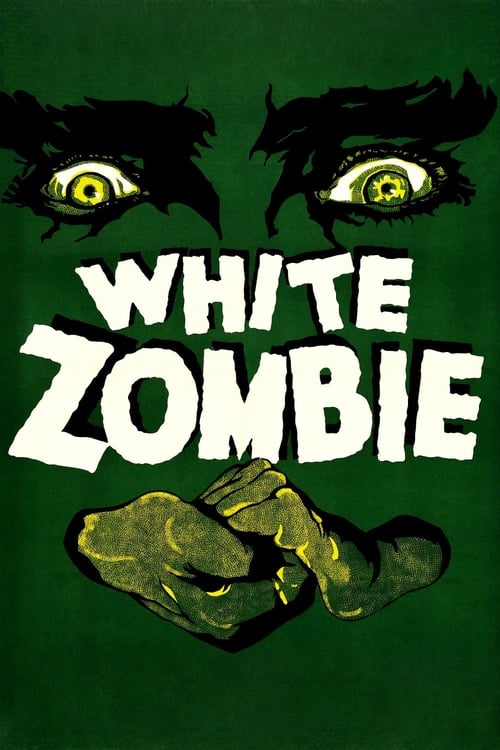
1932
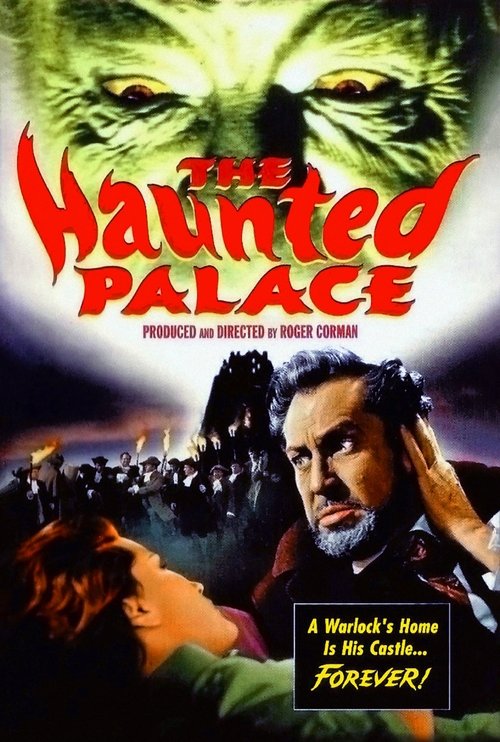
1963
No reviews yet. Be the first to share your thoughts on this movie!
Use the rating form above to leave a star rating and optional review.