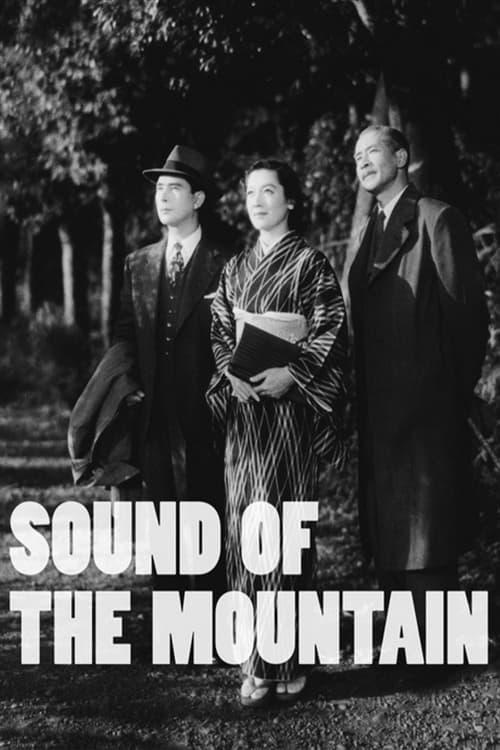
Sound of the Mountain
1954
No user ratings available yet
Representation score: 3.8 out of 10
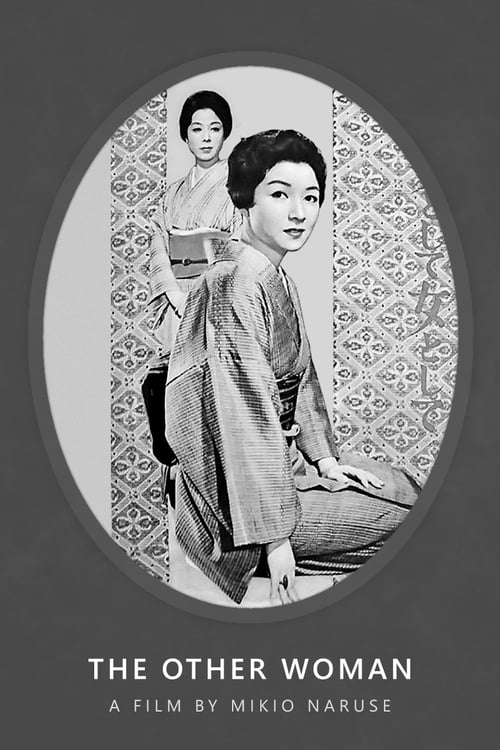
Representation Score
Limited
1961
Director
Mikio Naruse
Runtime
106 minutes
Average Rating
No ratings yetNew Showbiz Analysis
Mikio Naruse’s drama provides a sophisticated look at mid-century domestic life. Although it lacks broad demographic representation in terms of race and LGBTQ+ identities, it excels in exploring the psychological depth of its female characters. By focusing on the emotional resilience of women, it challenges the stereotype of the submissive female. The film’s strength lies in its nuanced portrayal of women, moving away from simplistic moral stories to explore the complexities of personal desires and societal pressures. However, its cultural specificity to 1961 Japan limits its engagement with broader multi-layered identities.
Category Breakdown
The film adheres to a traditional focus on straight relationships and does not include any representations of non-binary gender identities or same-sex relationships.
Naruse emphasizes the emotional resilience of women and their ability to drive the story, rather than relying on domestic clichés. The film delves into the psychological complexity of navigating a patriarchal society.
The cast is entirely Japanese, lacking any diversity in ethnicity or cultural backgrounds.
The narrative presents a realistic and often tragic view of life, challenging the idealized family structure as a fragile and sometimes oppressive institution.
There are no significant portrayals of physical or cognitive disabilities that play a key role in the storyline.
Present on Screen
Limited or Absent
Official Synopsis
The real mother of the two children of a respectable university professor is not his wife, but his mistress, the hostess of a Ginza bar the family frequents.
1954
1961
1951

1956
1960
1963
1962
1957
No reviews yet. Be the first to share your thoughts on this movie!
Use the rating form above to leave a star rating and optional review.