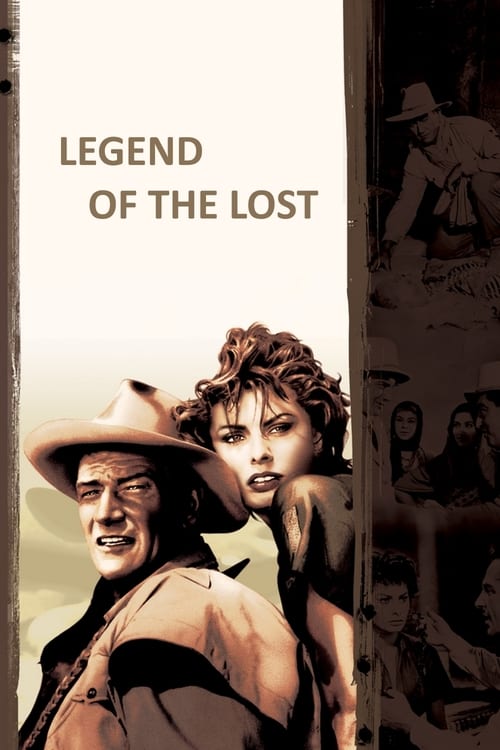
Legend of the Lost
1957
No user ratings available yet
Representation score: 0.9 out of 10
Representation Score
Minimal
1953
ApprovedDirector
Delmer Daves
Runtime
93 minutes
Average Rating
No ratings yetNew Showbiz Analysis
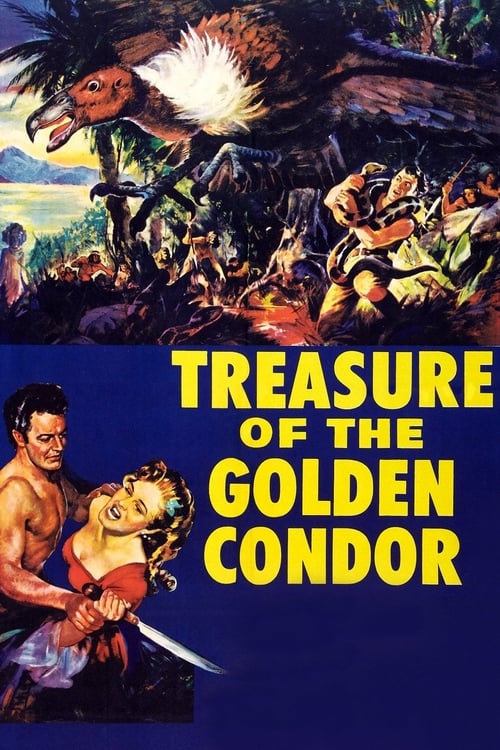
Treasure of the Golden Condor is a typical mid-century adventure that upholds the social hierarchies of its time. The narrative emphasizes the viewpoints of the dominant social groups, marginalizing other populations. The film uses well-established clichés from the 1950s, especially concerning gender and colonial power. It presents a straightforward exploration narrative without challenging the status quo. Overall, the film lacks depth in representing diverse identities. The main characters are white and male, while other cultures and genders are confined to minor roles.
Category Breakdown
The film follows strict 1950s social norms, showing no signs of diverse gender identities or same-sex relationships. It focuses on traditional masculine activities.
The story is driven by male characters, following mid-century adventure themes. Female characters play supporting roles without having a significant impact on the main storyline.
The film centers on a Eurocentric perspective, featuring a mostly white cast as conquistadors. Indigenous peoples are shown as background elements or obstacles without individual depth.
The story follows a traditional Western framework focused on the pursuit of wealth. It does not critique colonial institutions or modern ideological views.
There is no significant evidence regarding the portrayal of visible or invisible disabilities within the film's narrative.
Present on Screen
Limited or Absent
Official Synopsis
A nobleman searches for a hidden treasure in Guatemala.
1957
1950

1967
1964
1953

1967
1954
1939
No reviews yet. Be the first to share your thoughts on this movie!
Use the rating form above to leave a star rating and optional review.